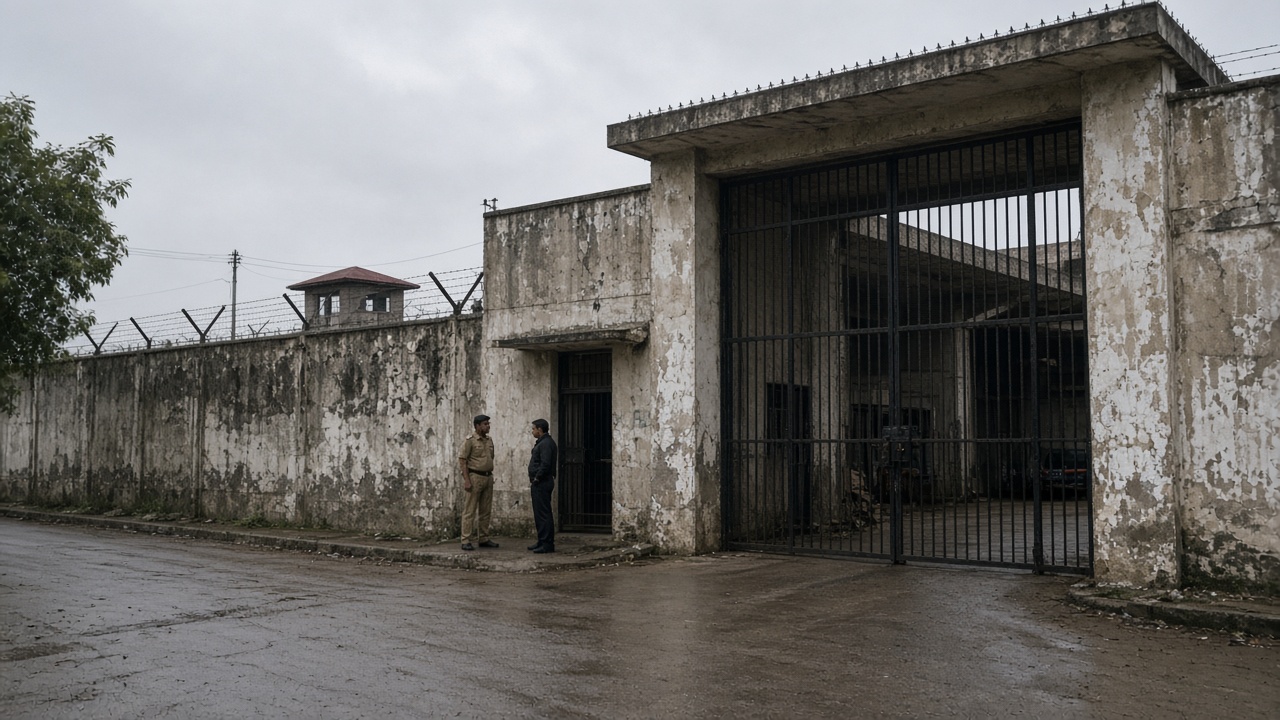
Jagtar Singh Johal, a British citizen held in India for nine years without a completed trial, was released from a Delhi prison on Thursday after the Delhi High Court pressed the government to obey an 18 September bail order. The court had warned Indian authorities they would be found in contempt if they continued to block his release, according to reporting from the Guardian and other outlets that followed his exit from Tihar jail.
Court enforcement after months in custody
Johal was taken into Indian custody in 2017 while visiting Punjab for his wedding. Indian authorities have pursued a case tied to security offenses in Punjab; Johal and his family have maintained his innocence, and United Kingdom officials have repeatedly raised his case in bilateral talks. Thursday's release did not end the underlying criminal proceedings, but it ended his physical confinement after judges said the state had exceeded the court's instructions on bail.
Family members and supporters shared images of Johal leaving the prison complex. British MPs who campaigned for his freedom welcomed the move while noting that charges remain on the books. The U.K. Foreign Office has previously described consular access and fair-trial guarantees as priorities in the case, without commenting on the merits of Indian prosecutors' claims.
Nine years without a full trial
Johal's long pretrial custody made his case a fixture in human-rights debates and in parliamentary exchanges in London. Indian courts had denied bail multiple times before the September ruling that set the stage for this week's confrontation between the judiciary and the executive. Legal analysts in Delhi said the high court's contempt warning reflected growing impatience with delays in bringing complex security cases to trial while defendants remain in jail.
Indian government lawyers had not publicly detailed their final legal arguments ahead of Thursday's release, and the home ministry did not immediately issue a statement explaining whether it would appeal or comply fully with the bail conditions set in September. Defence counsel for Johal argued that continued custody after the bail order violated basic due-process norms.
Diplomatic ripple effects
The Johal case has sat uncomfortably alongside otherwise warming U.K.–India ties on trade and defence. British ministers have faced pressure from Sikh community groups and cross-party legislators to escalate diplomatic protests, while New Delhi has treated the matter as a law-enforcement issue within its sovereign courts. Thursday's release may ease some of that pressure in London without resolving the underlying charges.
What happens now
Johal is expected to remain in India while bail conditions apply, though his legal team has not outlined whether he will seek permission to return to Scotland, where he lived before his 2017 trip. Prosecutors could still pursue trial dates on the pending counts. For the Delhi High Court, the episode is a visible test of whether bail orders are treated as binding on the state as well as on defendants—a question that will be watched closely by other foreign nationals caught in India's security docket.