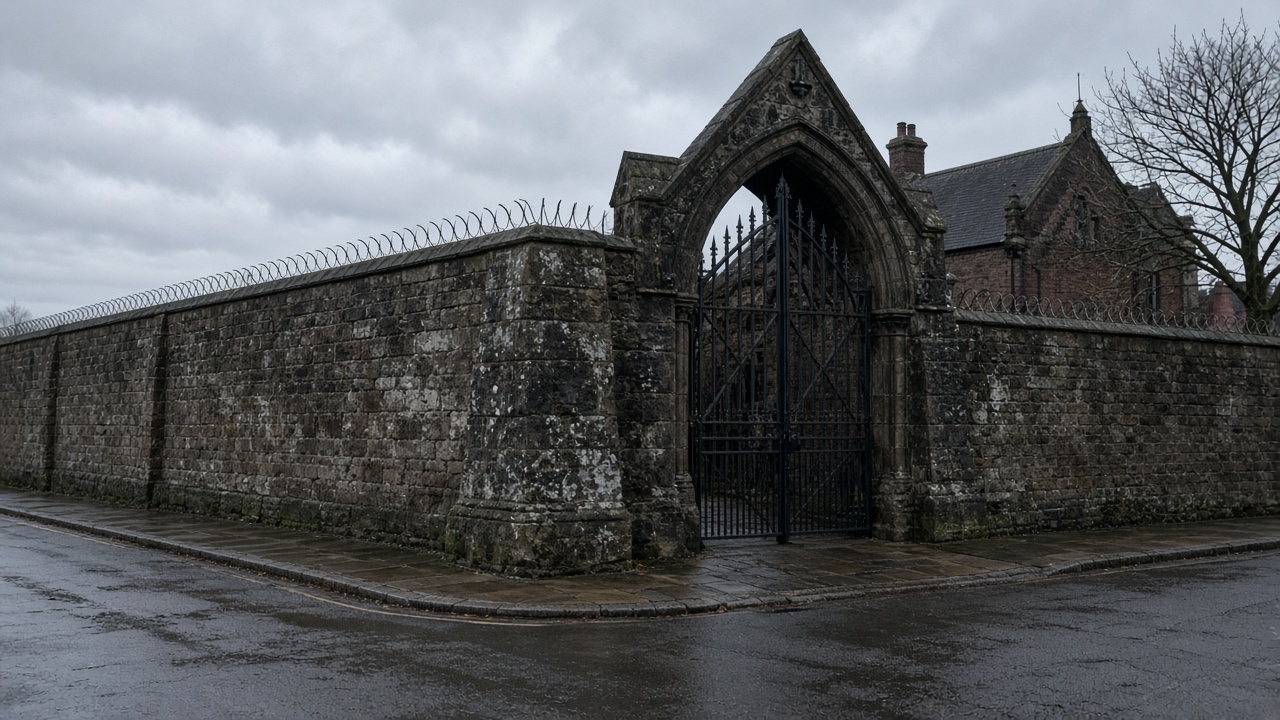
About seven hundred prisoners in England and Wales walked out on Thursday under a new early-release scheme the Labour government says is necessary to stop jails from physically running out of space, the first tranche of an programme expected to free roughly four thousand five hundred inmates over ten planned waves.
Ministry of Justice data showed 87,499 people behind bars as of Monday, filling 98.2 percent of operational capacity. Officials warned that without action, crowded Victorian-era wings would leave no room to hold newly sentenced offenders or remand defendants awaiting trial. Thursday’s releases are scheduled to repeat on a regular cadence through June 2027, according to briefing documents shared with probation unions.
Monitoring and licence conditions
Justice Secretary Shabana Mahmood has stressed that freed prisoners remain on licence and can be returned to custody immediately if they breach terms, commit new offences, contact victims, or move to unapproved addresses. The government is expanding electronic tagging and introducing “restriction zones” that limit how far someone on licence can travel, reducing the chance of accidental contact with victims in town centres.
Probation leaders said their teams received names only after courts signed off individual release dates, leaving little margin to arrange housing in hot-spot areas such as London and the West Midlands. Charities supporting women prisoners warned that many of Thursday’s cohort lack stable accommodation, a factor linked to higher recall rates in previous schemes.
Political context after the Conservative release
The previous Conservative administration ran its own early-release programme between October 2023 and September 2024, freeing more than ten thousand inmates to ease identical capacity pressures. Labour ministers argue their version pairs releases with tighter monitoring and more upfront risk scoring, though opposition MPs say the underlying problem—sentencing inflation and court backlogs—remains untouched.
Conservative shadow justice spokespeople called Thursday’s milestone “predictable chaos,” pointing to assaults linked to offenders freed under the earlier programme. Government officials counter that recall powers are stronger and that public protection teams vet high-risk cases separately, although they declined to publish Thursday’s risk-tier breakdown.
Population forecasts
Even with the staged releases, official projections still show the prison population climbing toward one hundred thousand by the end of the decade unless sentencing reforms or courtroom digitisation accelerate. Mahmood has promised a sentencing review, but legislation is months away, leaving probation services to manage Thursday’s cohort while preparing for the next wave.
For victims’ groups, the immediate concern is notification: ministers say victims registered for updates will receive alerts when relevant offenders leave custody, yet some campaigners report gaps in the database for historical cases. Thursday’s seven hundred releases are numerically modest, but politically they confirm that Labour will use early freedom as a valve whenever occupancy charts flash red.