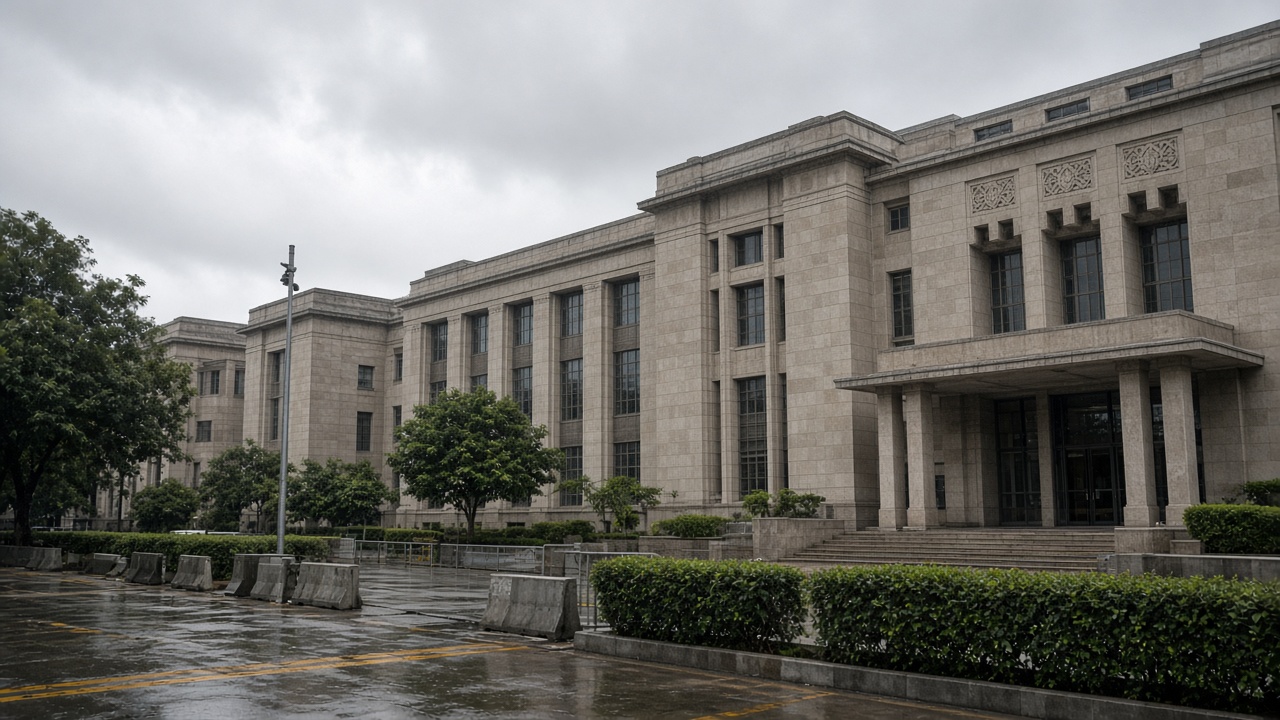
Reserve Bank of India Governor Sanjay Malhotra led a unanimous Monetary Policy Committee vote on Wednesday to keep the policy repo rate at 5.50 percent and retain a neutral stance, even as the central bank lifted its fiscal-year growth forecast and trimmed its inflation projection in a statement that traders read as opening space for a rate cut before the year ends.
What the committee decided
The MPC met from 29 September through 1 October, the fourth bi-monthly review for 2025-26. Alongside the unchanged repo, the standing deposit facility stayed at 5.25 percent and the marginal standing facility and bank rate at 5.75 percent. Cash reserve ratio requirements were left at 3 percent. Malhotra told reporters the committee saw "significant moderation" in inflation and noted that global tariff uncertainty could slow growth in the second half of the fiscal year.
The RBI now expects consumer price inflation to average 2.6 percent for FY26, down from a 3.1 percent projection in August. Growth is pegged at 6.8 percent versus 6.5 percent earlier. Malhotra linked the inflation revision to easing food prices and the growth upgrade to resilient urban demand and public capex, while cautioning that punitive U.S. levies on Indian exports remain a live risk for manufacturers.
Why markets treated the hold as dovish
Swap traders had priced a high probability of unchanged rates, but the language around "policy space for further supporting growth" moved the forward curve. The 10-year government bond yield ticked up only marginally after the statement, while the rupee firmed near 88.71 per dollar in afternoon trade. Bank stocks had already rallied in anticipation of regulatory tweaks to acquisition finance that arrived in the same policy bundle.
Private economists said the committee deliberately separated its rate decision from those micro-prudential moves. "They want banks lending for mergers without committing to a December cut today," said a Mumbai-based chief economist at a foreign brokerage who asked not to be named because his firm advises institutional clients.
Transmission still uneven
The RBI's own data show weighted average lending rates on fresh rupee loans fell 8 basis points between February and August, while outstanding loan rates dropped 55 basis points as older fixed-rate books repriced. Deposit rates have declined more sharply, squeezing net interest margins at lenders that had expanded retail unsecured credit in the first half of the year.
Small businesses in Surat and Coimbatore said working-capital lines remain priced off benchmarks that barely moved despite earlier cuts. Exporters in engineering and textiles argued tariff threats matter more than 25 basis points either way until Washington clarifies product-level duties.
Fiscal and external backdrop
Union finance ministry officials have front-loaded capital spending to offset weak private investment in some sectors. The RBI noted that recent consumption tax changes could lift household purchasing power, but their full effect will take quarters to appear in national accounts. Oil imports remain sensitive to Middle East shipping disruptions; the central bank's growth forecast assumes crude stays below the stress levels that triggered risk-off sessions in September.
What comes next
The MPC does not meet again until December. Malhotra said the committee would watch how earlier rate reductions and fiscal measures flow through the economy before charting the next move. Liquidity managers will continue using variable-rate repos and forex operations to keep overnight rates aligned with the corridor.
For corporate treasurers, the immediate action items are updated acquisition-finance circulars and bank-specific spread tables—not a cheaper repo print. For households, EMIs on floating home loans may drift lower only when banks pass through earlier cuts; Wednesday's hold means that pass-through timeline stays bank-dependent rather than policy-forced.