Taiwan’s Ministry of Economic Affairs said export orders hit US$103.0 billion in August 2026, up 71.4 percent from a year earlier, as contract manufacturers booked AI servers and Copilot-ready motherboards ahead of year-end enterprise refresh cycles. The print keeps Taiwan above the US$100 billion monthly threshold for a third straight month and gives Taipei factories a strong handoff into the October shipping window.
Where the orders clustered
MOEA’s release on September 22 showed orders in information and communication technology leading the stack, with electronic products and base metals also posting double-digit gains. Analysts in Taipei said the mix reflects two overlapping pulls: hyperscalers locking in GPU-heavy racks, and brand-name PC vendors lining up on-device AI features that need fresh chipsets and memory.
Orders are not identical to customs-cleared exports—some production ships from overseas subsidiaries—but the direction matches August customs data that put total exports at US$82.4 billion, a record for any August. Electronics components alone topped US$32.2 billion on finance ministry tallies, with memory pricing and advanced-node wafers both contributing.
ODM lines and the Copilot push
Taiwan’s largest system builders have publicly tied 2026 revenue guidance to enterprise AI PCs and rack-scale servers. Export-order strength in August suggests those programs moved from engineering samples to bill-of-material releases faster than some buyers expected after summer supply-chain audits. Server board makers reported longer lead times for power stages and high-speed connectors, a sign that orders are translating into component pulls inside Taiwan rather than only at overseas assembly campuses.
Smaller metal-bashing and cable harness suppliers also saw inquiry volumes rise, particularly for liquid-cooling manifolds tied to 40-kilowatt racks. That secondary wave matters for employment outside Hsinchu: Taoyuan and Tainan plants that service US cloud names are running overtime shifts into Taiwan’s Double Ten holiday week.
Risks on the water
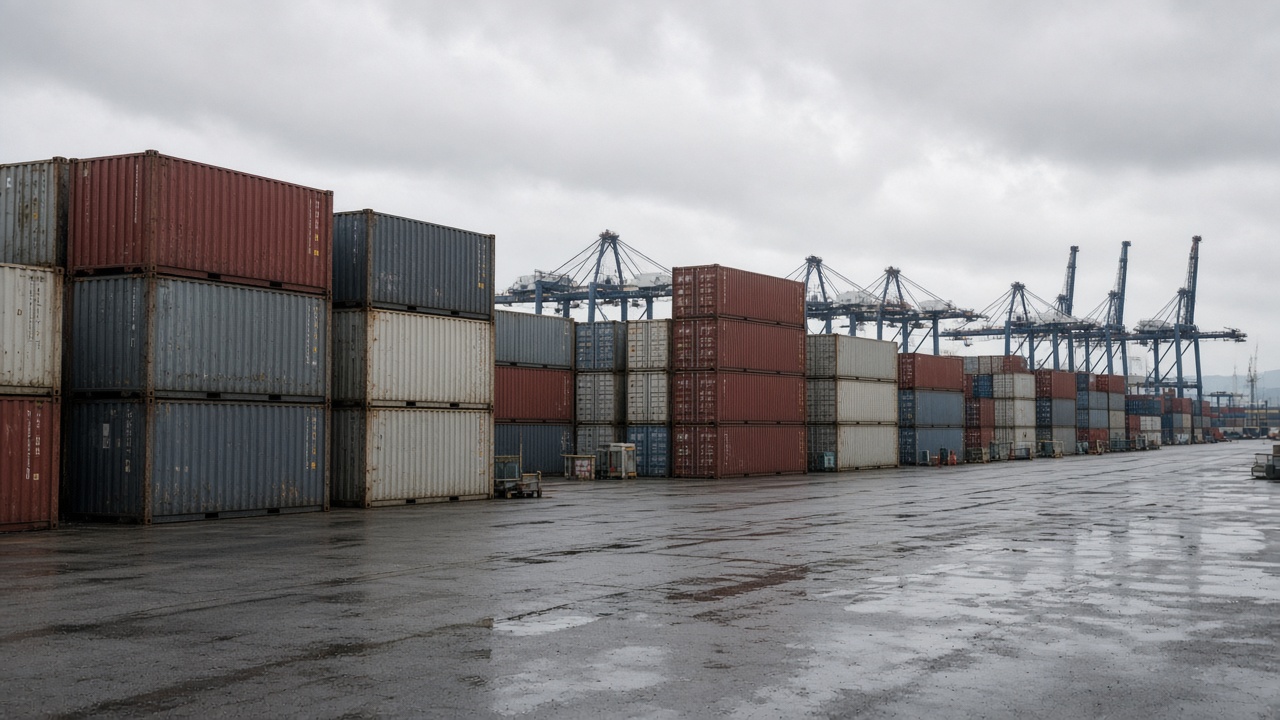
MOEA cautioned that overseas production continues to climb as a share of fulfilled orders, meaning not every dollar ordered will pass through Kaohsiung or Taichung harbors. Freight forwarders also flagged tighter air cargo space on transpacific lanes as retailers mix AI gear with traditional consumer electronics ahead of November promotions.
Still, for a Taipei morning read, the August order book signals that AI hardware demand did not cool after second-quarter earnings. If September customs follow the same pattern when finance ministry releases them later in October, Taiwan’s trade surplus debate in the Legislative Yuan will again center on how much of the island’s growth is semiconductor-concentrated—and how quickly downstream suppliers can hire to keep pace.