Russia delivered a written warning to NATO on Wednesday saying it would be prepared to use nuclear weapons if the Western alliance tried to sever its access to Kaliningrad, the heavily militarized exclave wedged between Poland and Lithuania on the Baltic Sea. NATO responded within hours, telling Moscow to stop threatening force and to withdraw from Ukraine.
What Moscow sent
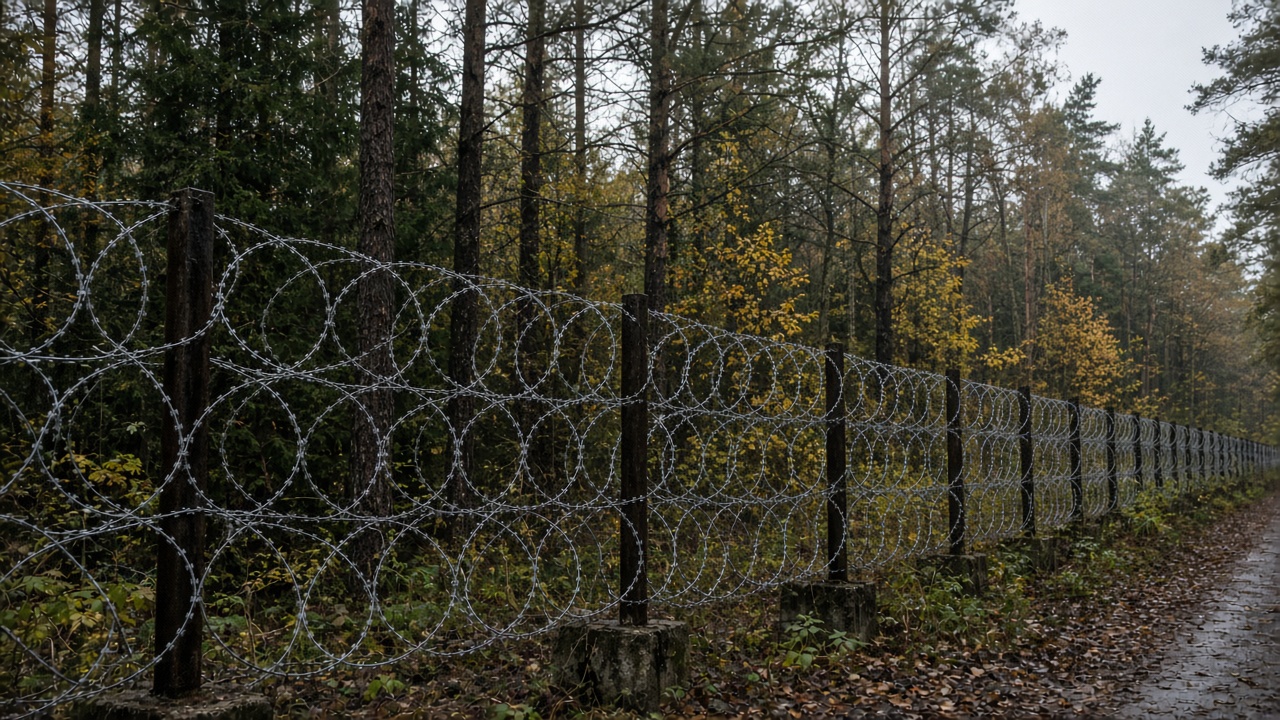
The note, described by diplomats in Brussels and reported by multiple news agencies, accused NATO of a “dangerous and reckless course” that carried “high risks of the outbreak of a direct armed conflict.” It singled out scenarios in which Kaliningrad could be isolated from mainland Russia, a fear that has grown as Baltic states and Poland expand border fortifications and air-defense coverage along the so-called Suwałki corridor.
Russian officials said the document also warned that Moscow could strike “decision-making centers” in member states “right from the outset” of any confrontation, language that goes beyond routine deterrence messaging and echoes prior Kremlin threats against Western capitals supplying Ukraine.
NATO’s reply
An alliance spokesperson said NATO had answered the memorandum directly. The response described the bloc as defensive, rejected any suggestion that routine NATO activity threatens Russian territory, and called on President Vladimir Putin to end the invasion of Ukraine.
“We strongly denounce the threat of force, including any irresponsible nuclear rhetoric,” the spokesperson said in a statement distributed to reporters. Diplomats said the exchange did not alter alert levels at NATO headquarters but did prompt renewed consultations among Baltic and front-line envoys about messaging and air policing rotations.
Why Kaliningrad matters now
Kaliningrad hosts the Russian Baltic Fleet and long-range missile units. Because it is separated from Russia proper, military planners on both sides treat the exclave as both a staging ground and a potential choke point. Poland and Lithuania have tightened controls on goods transit since 2022, and NATO has increased troop rotations in northeastern Europe after repeated hybrid incidents, including GPS jamming and airspace probes.
The diplomatic flare-up landed on the same day Russia launched one of its largest combined strikes on Ukrainian power infrastructure in months, killing civilians in the Kyiv region and forcing Ukraine’s grid operator to order emergency blackouts in the capital. Alliance officials did not link the memorandum to those strikes in public comments, but several ministers arriving for meetings in Brussels told reporters the timing underscored how conventional and nuclear signaling were moving in parallel.
What allies are watching
Officials in Lithuania and Poland said they had not received separate threats beyond the alliance-wide note. Estonia’s foreign ministry urged citizens to treat the rhetoric as escalation management rather than an imminent alert, while stressing that any attack on a member would trigger collective defense obligations.
U.S. and European diplomats said they would continue arms deliveries to Ukraine and Baltic air-defense upgrades regardless of the memorandum. For now, the document appears aimed at constraining NATO planning around Kaliningrad transit rather than announcing a new deployment, but the explicit nuclear reference ensures the note will be parsed in capitals from Washington to Ankara for weeks.