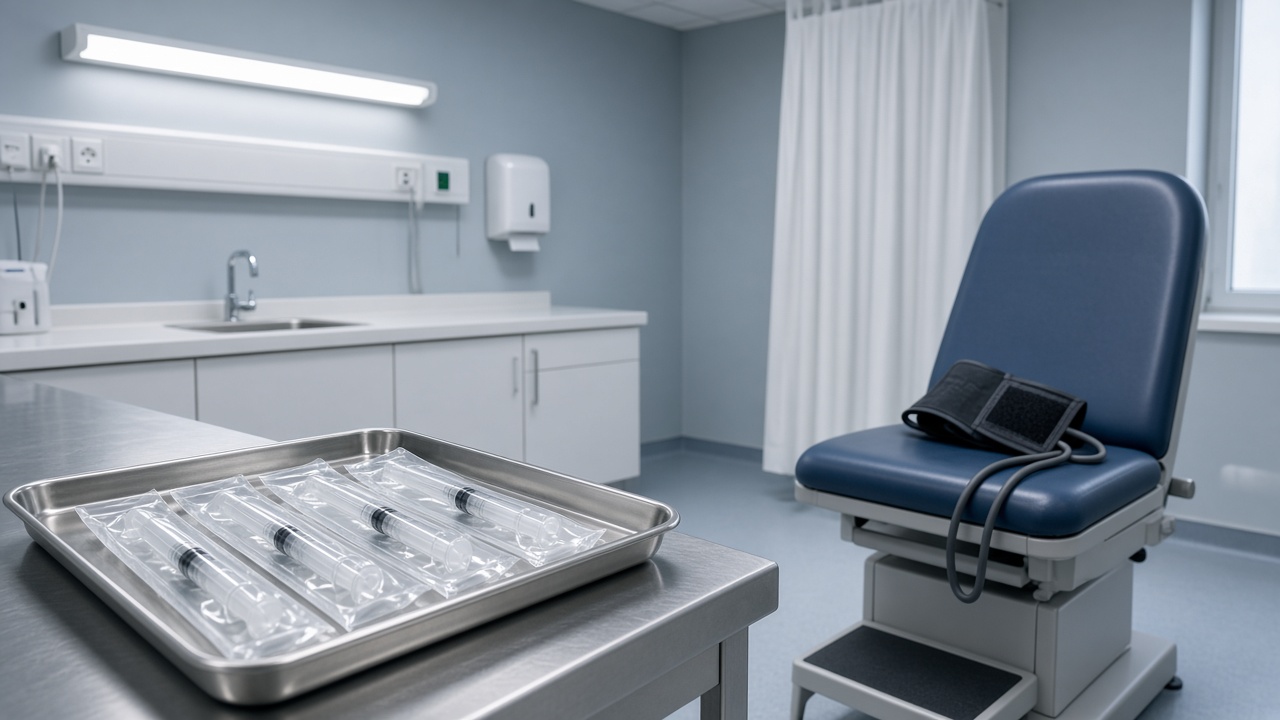
NICE published draft guidance on Wednesday that could expand NHS use of newer GLP-1 obesity injections for adults with weight-related illnesses from 2027, subject to a cost-per-quality-adjusted-life-year threshold that primary-care leaders say will require new prescribing hubs.
The document stops short of recommending universal weight-loss use; instead it targets patients with type 2 diabetes, hypertension, or sleep apnoea who have not achieved sustained results through lifestyle programmes. Consultation runs until late November, with final text expected before the 2027 financial year.
Capacity crunch
Bridget O’Neill’s health desk has tracked GP complaints that demand for private-pay versions of the drugs already outstrips dietetic support. NHS England warned trusts to plan supervised titration schedules because rapid weight loss without monitoring can worsen gallstone risk and muscle loss in older adults.
Budget pressure
Treasury officials are modelling hundreds of millions in annual drug costs if eligibility widens, even with confidential rebates. Hospital pharmacists asked for clarity on whether weight-management injections will sit inside existing diabetes budgets or receive a separate tariff.
Patient groups welcomed the draft but urged faster access for post-bariatric patients who regain weight. Surgeons cautioned that injections should complement, not replace, operations for the most severe cases.
What patients should expect
Until final guidance lands, NHS prescribing remains limited to diabetes-licensed indications. GPs said they will continue directing overweight patients toward tiered lifestyle services while warning that online pharmacies selling unverified versions pose contamination risks.
Ethics and equity
Health economists warned that widening injection access without expanding dietetic staffing could deepen postcode lotteries: wealthy patients will continue buying private scripts while NHS waits grow in deprived areas. NICE’s draft tries to counter that by requiring documented lifestyle programme enrolment before starting drugs.
Pharmaceutical firms are negotiating confidential payment schemes tied to real-world weight outcomes, a model NICE has used in cancer drugs but not yet at scale for metabolic treatments.
Primary care workload
The Royal College of GPs said practices need protected time to discuss weight management without squeezing appointments for acute illness. Pilot sites in Manchester and Surrey are testing pharmacist-led titration clinics that could spread nationally if NICE final guidance approves broader eligibility.
Private clinics advertising off-label use have proliferated online; the General Pharmaceutical Council issued a reminder that prescribers must conduct face-to-face assessments before shipping injections by courier.
Trust communications teams said they will publish plain-language summaries for patients once consultation responses are compiled, avoiding social-media speculation about eligibility rumours.