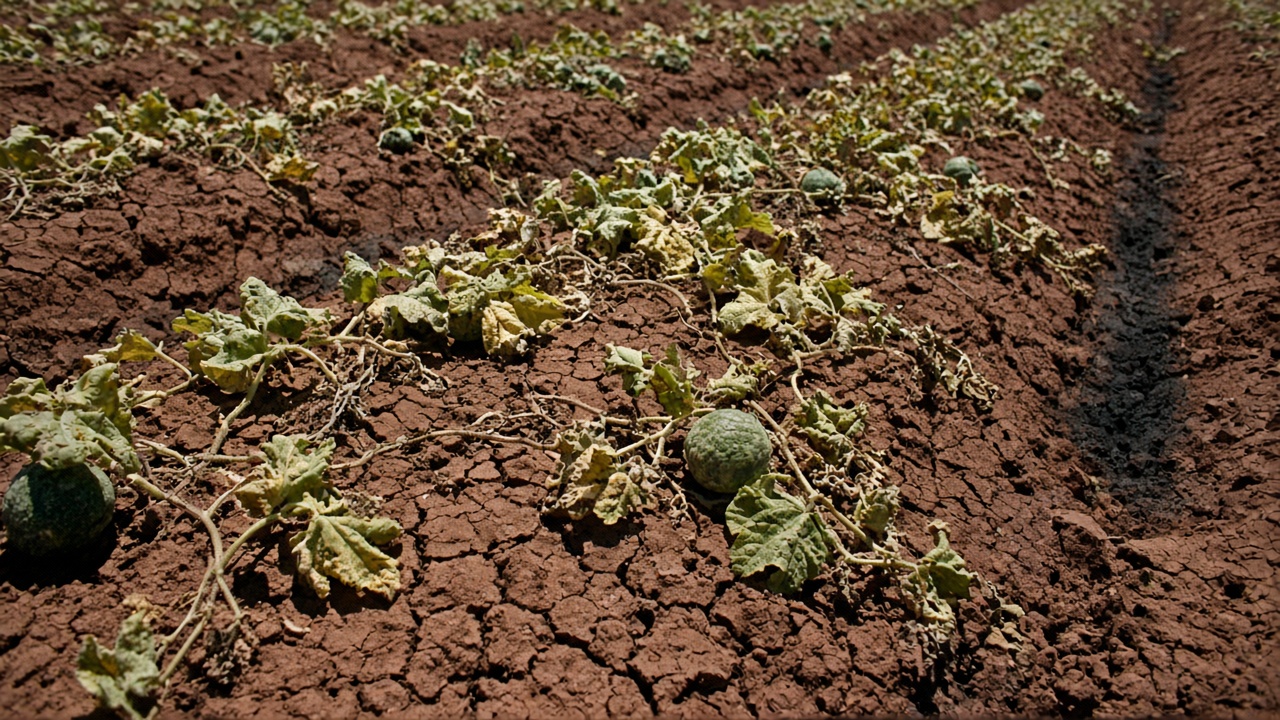
Australia has recorded its first detections of an exotic root-rot fungus that can devastate melon and cucumber crops, Northern Territory agriculture officials said Thursday. The pathogen, Monosporascus cannonballus, was identified on two properties—one in the Darwin region on cucumber plants and another near Katherine on honeydew and rockmelon fields—after growers noticed wilting and root damage in August.
What the fungus does
Monosporascus cannonballus lives in soil and attacks plant roots, causing vines to collapse quickly in warm conditions. Melons Australia chief executive Johnathon Davey told ABC News the incursion was already causing significant losses for affected NT growers, who are also managing other biosecurity pressures including varroa mite. Unlike some pests that can be stamped out with strict quarantines, NT Department of Agriculture and Fisheries officials said the fungus cannot be eradicated once established in fields.
Dr. Anne Heaton, the department's chief plant health officer, said authorities were uncertain how the fungus arrived but could not rule out that it had been present longer than initially detected. Laboratory confirmation followed grower reports of unusual crop decline, a pathway that biosecurity experts say is common for soil pathogens that spread slowly until symptoms become visible across a block.
Government and industry response
The territory is not imposing broad movement restrictions after the detections, Heaton said, but is working with industry groups on management guides that include sanitation, rotation, and monitoring. Farmers are being urged to tighten on-farm biosecurity even without mandatory statewide controls. Davey warned that containment efforts would likely raise production costs for NT melon growers, who supply domestic markets during northern dry seasons.
Federal agriculture agencies have been briefed on the findings, according to ABC reporting, though no national recall of fruit has been announced. Consumers are not considered at risk because the fungus affects plants, not harvested flesh, but the economic hit falls on growers who may need to abandon infected paddocks for seasons.
Broader biosecurity context
Australia's melon industry has spent years hardening defences against imported pests, including tighter screening of planting material and regional surveillance networks. A first detection in the NT nonetheless shows how soil-borne diseases can slip past border checks and remain latent until environmental conditions trigger visible damage. Other states are now on alert for similar symptoms in cucurbit fields.
What growers should watch
Officials asked farmers to report sudden wilting, root discoloration, or patchy die-off in melons and cucumbers to state hotlines. Early identification can slow spread within a farm even if eradication is impossible. Wholesale buyers said they would continue sourcing from unaffected NT blocks while monitoring quality assurances from packing sheds. For the NT, Thursday's announcement marks the start of a long management phase rather than a short emergency response—and a reminder that Australia's isolated agriculture status is maintained by constant monitoring, not geography alone.