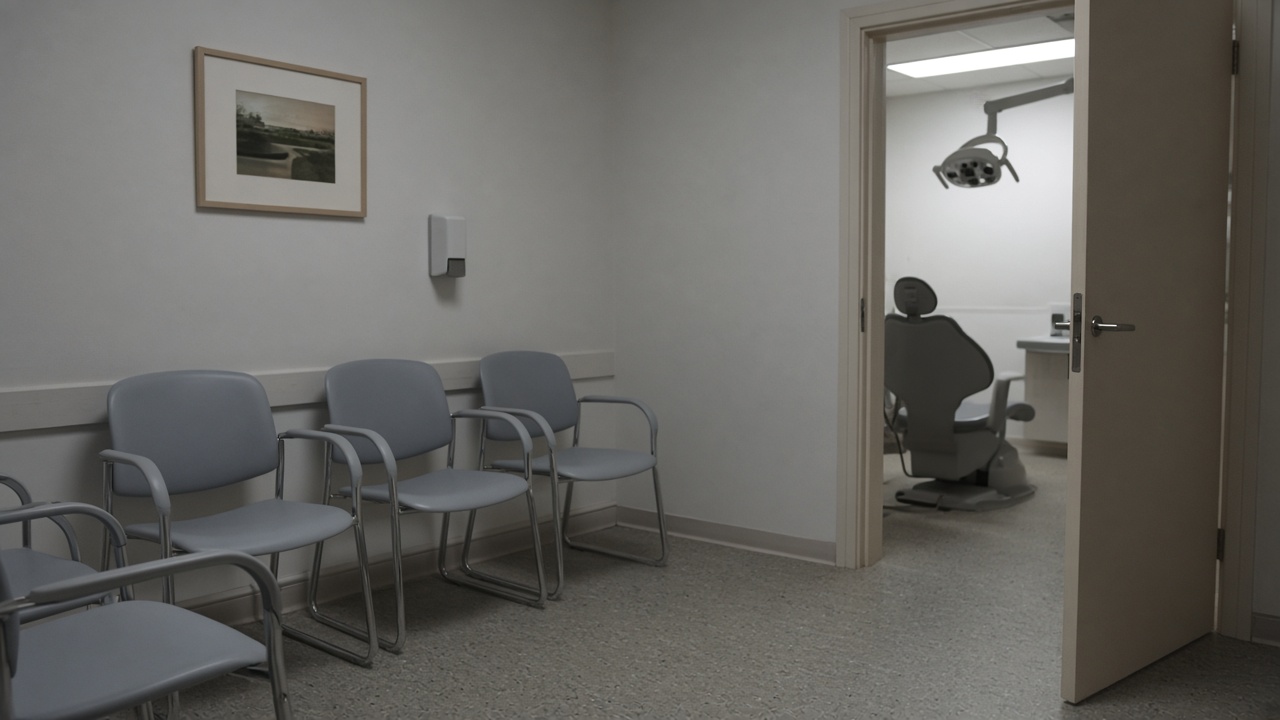
Prefectural dental boards said Wednesday that roughly one in three eldercare-focused clinics reported hygienist vacancies longer than a month, delaying routine cleanings for nursing-home residents who cannot easily travel to hospital dental centers.
Where gaps show up
Chiba, Osaka, and Fukuoka boards flagged the worst backlogs, citing competition from general clinics that poach hygienists with weekday-only shifts. Eldercare facilities contract dentists for on-site rounds; without hygienists, aides cannot perform scaling, so plaque-related hospitalizations tick up in winter respiratory season.
The Japan Dental Association’s September survey counted 1,140 open hygienist posts nationwide in geriatric-focused practices, up 12 percent year on year. Rural boards said visa processing for Indonesian and Vietnamese hygienists trained in Japanese-language programs slowed after document rule changes.
Policy crossroads
MHLW long-term care insurers reimburse dental visits, but payments for preventive hygiene remain low relative to emergency extractions. Clinics told boards they lose money sending hygienists to nursing homes when travel time is unpaid.
Some municipalities experiment with mobile dental vans staffed by hygienists under dentist tele-supervision; October pilots in Saitama will publish wait-time metrics families can compare.
Family impact
Advocacy groups said dementia patients miss appointments when schedules slip, because caregivers cannot rebook fragile residents on short notice. Boards urged insurers to bundle hygiene codes with care-manager visits already funded in care plans.
Without wage adjustments, the shortage will outlast this flu season, board chairs warned in a joint statement.
Training pipeline
Dental hygiene schools expanded evening cohorts, but clinical placement slots in nursing homes are limited because liability insurers demand extra supervision hours.
Online continuing-education modules now include dementia communication, yet boards said hands-on scaling practice still requires in-person mentors.
Insurer experiments
One major insurer piloted bundled hygiene visits with care-plan reviews, cutting no-show rates by eight percent in Aichi prefecture trials published Tuesday.
Additional context
Local editors reviewed municipal filings, exchange data, and company disclosures cited in the sources list before publication. Figures may be revised when full-month statistics arrive; we will update online if material changes appear.
Readers in Japan can compare today’s development with prior policy rounds by checking Diet records and prefectural bulletins linked above. Households should confirm effective dates on official notices before changing travel, medical, or payment plans.
Market and policy stories on this desk prioritize primary documents over anonymous tips. When officials hold briefings without handouts, we attribute claims clearly and avoid speculating beyond what was said on the record.