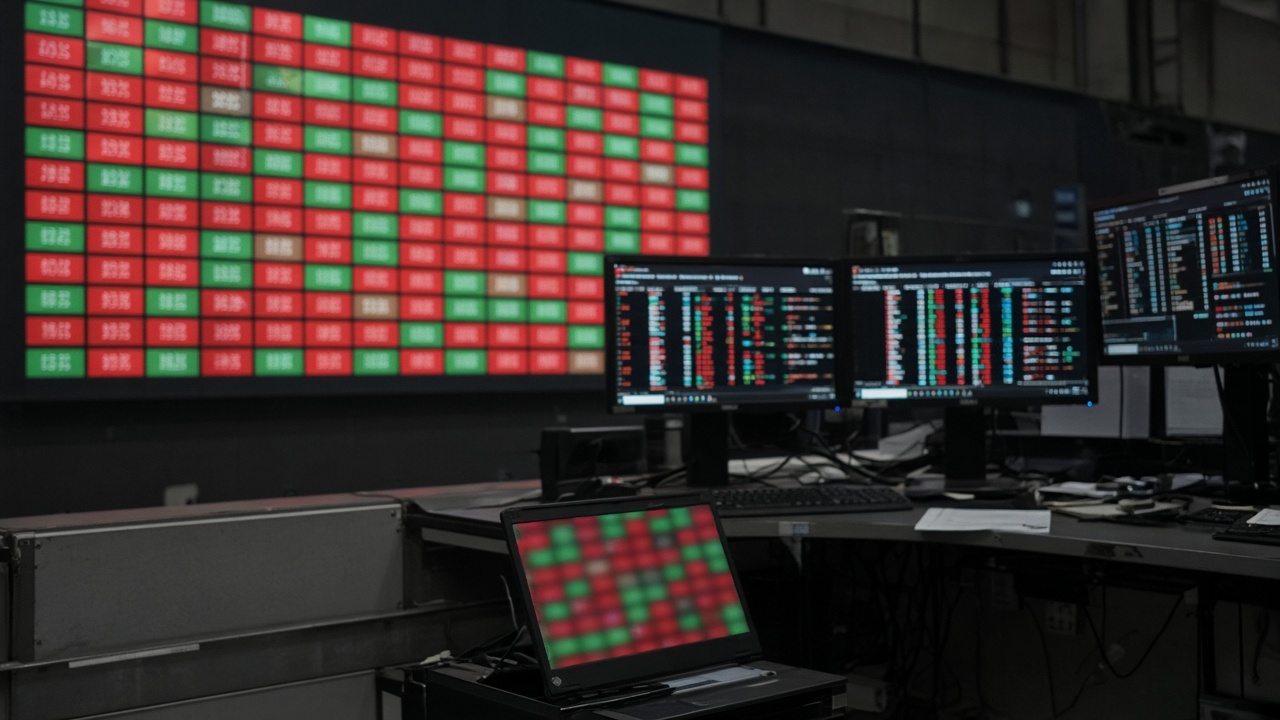
The S&P 500 closed September at 7,651.54 on Tuesday, giving back an early gain built on softer-than-expected inflation data as Treasury yields climbed back above 5.3 percent and traders trimmed risk into the quarter’s final hours.
The session encapsulated a month that never found direction. The index spent the morning in the green after August personal consumption expenditures price data suggested cooling consumer inflation, the kind of print that usually eases pressure on the Federal Reserve. By the close, the narrative flipped: the 10-year Treasury finished around 5.29 percent, up from the prior session, and the Dow Jones Industrial Average fell 444 points, or 0.86 percent, to 50,906.05.
September and the third quarter in the numbers
September’s loss was modest in percentage terms—about half a percent for the S&P 500—but it broke a short winning streak and marked the largest one-month decline since June, according to Dow Jones Market Data. For the third quarter, the benchmark still gained roughly 2 percent, the second consecutive quarterly advance, and it remains up about 11.8 percent year to date despite sitting 1.9 percent below its August record close of 7,798.99.
Breadth told a harsher story than the headline index. New 52-week lows outnumbered new highs on both major exchanges by the closing bell, a sign the megacap-led Nasdaq resilience—up 0.24 percent on the day—masked weakness across smaller names. The Russell 2000 slipped 0.39 percent, continuing a September pattern that punished domestic cyclicals as long-term rates stayed elevated.
Why yields matter more than the opening pop
Equity bulls wanted the inflation report to lock in a path toward easier policy. Bond traders instead focused on the level of rates: a 5.29 percent 10-year makes discounted cash flows stingier for growth stocks and keeps mortgage benchmarks uncomfortable heading into the fourth quarter. When yields rose, the S&P 500 gave up nearly a full percentage point from its intraday high, a fade that left portfolio managers describing a “good data, bad market” day.
Energy and financials diverged as Brent crude traded above $103 after the September contract roll, adding a cost-push worry on top of the rate story. None of this is a forecast for October—earnings season and Fed speakers will refill the calendar—but holders should note the index closed lower for three straight sessions and six of the past seven.
What holders are watching next
Quarter-end flows often exaggerate moves, yet the combination of higher long rates and a down September will frame how companies guide for the rest of 2026. Analysts will look for whether margin commentary acknowledges sticky wage and financing costs, and whether buyback plans slow as borrowing stays expensive.
For now, the scoreboard is simple: a still-strong year, a choppy month, and a bond market that refused to celebrate cooler inflation for more than a few hours.