Keelung district prosecutors have indicted nine people, including staff linked to Nvidia’s Taiwan unit and Super Micro’s local subsidiary, accusing them of falsifying end-user certificates to divert high-end artificial-intelligence servers toward buyers in mainland China. The case centers on 130 B300-class systems that U.S. export rules treat as among the most sensitive gear in the AI race.
What prosecutors allege
In a statement released after months of investigation, prosecutors said the group claimed the servers would be installed at a rented facility in Taiwan. Instead, investigators contend, 74 machines reached Chinese customers through a mix of direct shipments, transshipments via Indonesia, and routes that passed through Japan and Hong Kong before entering the mainland.
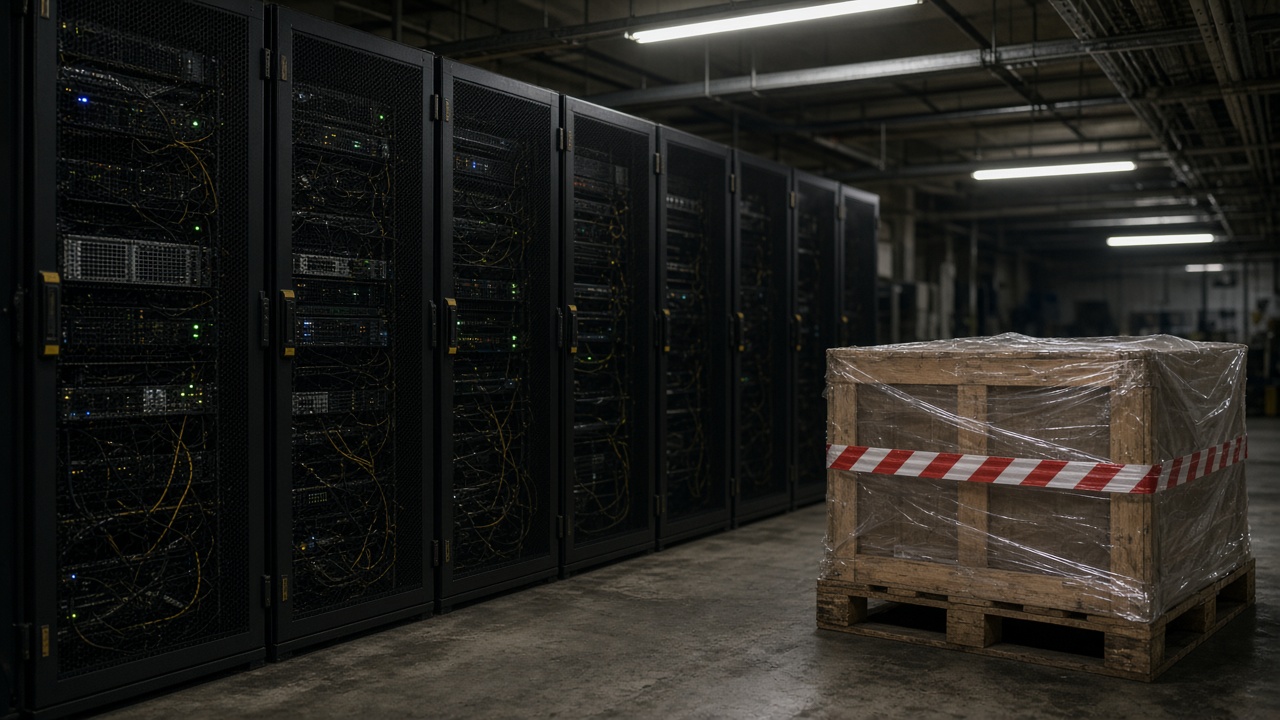
Another 56 servers were slated for export to a Japanese company, prosecutors said, but Taiwan customs officers flagged irregular paperwork and blocked the shipment. Those units remain in Taiwan, according to the Keelung office, giving investigators physical evidence as the case moves toward trial.
Corporate roles and charges
Eight defendants face breach-of-trust and document-forgery counts tied to the server movements. A ninth faces related charges over alleged fund diversion at a distributor involved in the transactions. Prosecutors identified one Nvidia Taiwan manager by surname only, saying he authorized release of the GPUs and showed what the filing called a “clearly poor attitude” after the scheme surfaced.
Super Micro said in a written response that its cooperation with Taiwanese authorities contributed to arrests and that two former Taiwan employees were among those indicted. Nvidia has not issued a detailed public statement on the filing, but both companies have emphasized compliance programs that require on-site checks when customers order more than eight high-end AI servers.
Why Taiwan is on the hook
Taiwan fabricates the bulk of advanced chips used in AI accelerators, yet prosecutors and trade officials say enforcement increasingly depends on how servers leave the island, not just how wafers are made. U.S. rules require licenses for sales of top-tier Nvidia gear to China; treating Taiwan as a transshipment hub undermines both Washington’s controls and Taipei’s pledge to keep cutting-edge know-how from aiding Beijing’s military modernization.
The Ministry of Economic Affairs has tightened export reviews in recent years, and lawmakers from both major parties have called for stiffer penalties when employees of global brands abuse trusted access. Industry groups warn that repeated cases could invite closer U.S. scrutiny of Taiwan’s logistics chains just as local firms expand AI server assembly for American cloud providers.
Sentencing requests and next steps
Prosecutors are seeking the maximum five-year terms for four defendants, including the Nvidia manager, arguing the diversion was deliberate and large-scale. Defense attorneys have not publicly outlined their strategy; initial hearings are expected in Keelung District Court this autumn.
Officials in Washington have not commented on the indictments, but the case lands amid parallel U.S. probes into AI hardware smuggling. For Taipei, the file is both a criminal matter and a diplomatic signal that Taiwan intends to police its own supply chain before allies impose tougher conditions on chip and server exports.