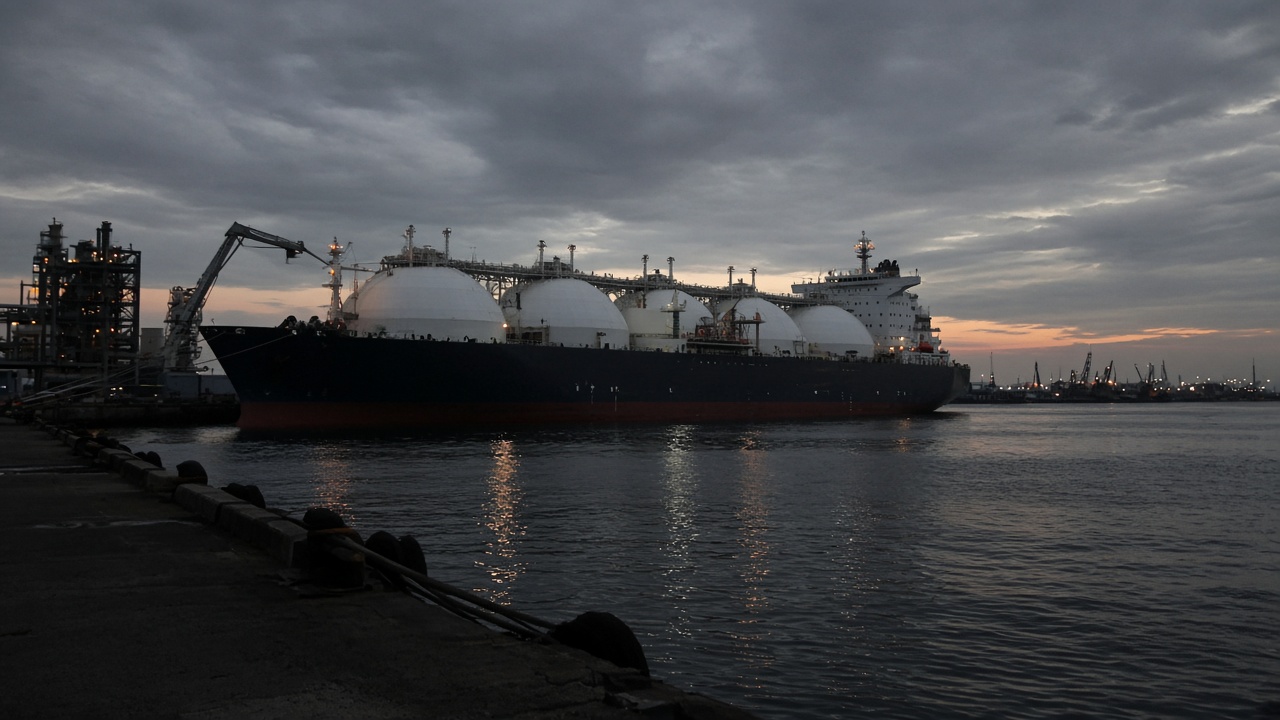
The Foreign Office announced 31 new Russia sanctions on Thursday, pairing asset freezes and travel bans on 23 individuals and entities with shipping restrictions on eight tankers the government says help fund the Kremlin’s war machine. Ministers framed the package as a winter pressure play as Moscow intensifies drone strikes on Ukrainian cities.
What was designated
Among the listings are three liquefied-natural-gas carriers the UK describes as part of Russia’s “shadow fleet,” two bunkering ships that service those vessels, and three Russian-owned ice-class tankers acquired as recently as July. Individuals targeted include military officers and officials the government accuses of arbitrary detention, torture, and ill-treatment of Ukrainian civilians in occupied territory.
A further seven designations focus on the indoctrination and militarisation of Ukrainian children, including cases involving deportations by Russian authorities. Four Georgian nationals were sanctioned for allegedly spreading pro-Kremlin disinformation, extending a British campaign against information operations that began in late 2024.
Ministers’ message
Minister for Europe Lord Wood of Anfield said the UK is “targeting both the revenues that help sustain Russia’s aggression and perpetrators of horrendous crimes against Ukrainian civilians, including children.” The announcement cited Ukrainian figures showing more than 3,100 jet-powered drone attacks in September, a monthly high for the war.
Officials reiterated that international sanctions have already blocked nearly $500 billion in funding for Russia’s invasion, while highlighting earlier Royal Navy action against shadow-fleet vessels. Thursday’s notice updates the statutory UK Sanctions List with travel bans, asset freezes, trust-services restrictions, and director-disqualification measures for named individuals.
Implications for firms
British insurers, brokers, and ports must screen the updated list immediately; shipping designations bar UK persons from providing services to the named vessels. Lawyers said the torture-related listings could complicate future travel and property holdings for mid-ranking Russian security officials who had not previously appeared on EU or UK rolls.
Downing Street paired the sanctions with continued military aid pledges to Kyiv and warned that further designations would follow if Russia escalates strikes on energy infrastructure. Opposition spokespeople largely backed the listings while pressing ministers to close loopholes in legal services and education exports that Russia has used to soften the blow of earlier measures.
The Treasury’s Office of Financial Sanctions Implementation published the statutory notice alongside the Foreign Office press release, giving banks a single reference file for screening payments tied to the eight vessels. Trade groups representing London marine insurers said members would rerun automated compliance batches overnight to catch any policies linked to the newly named hulls.
For Westminster, the package is both a diplomatic signal to allies and a compliance event for City firms still navigating overlapping UK, EU, and U.S. restrictions on Russian energy exports. Officials in Kyiv welcomed the timing, noting that Thursday’s bridge strikes in the Ukrainian capital lent urgency to any measure that squeezes Moscow’s maritime earnings before winter heating demand peaks across Europe.