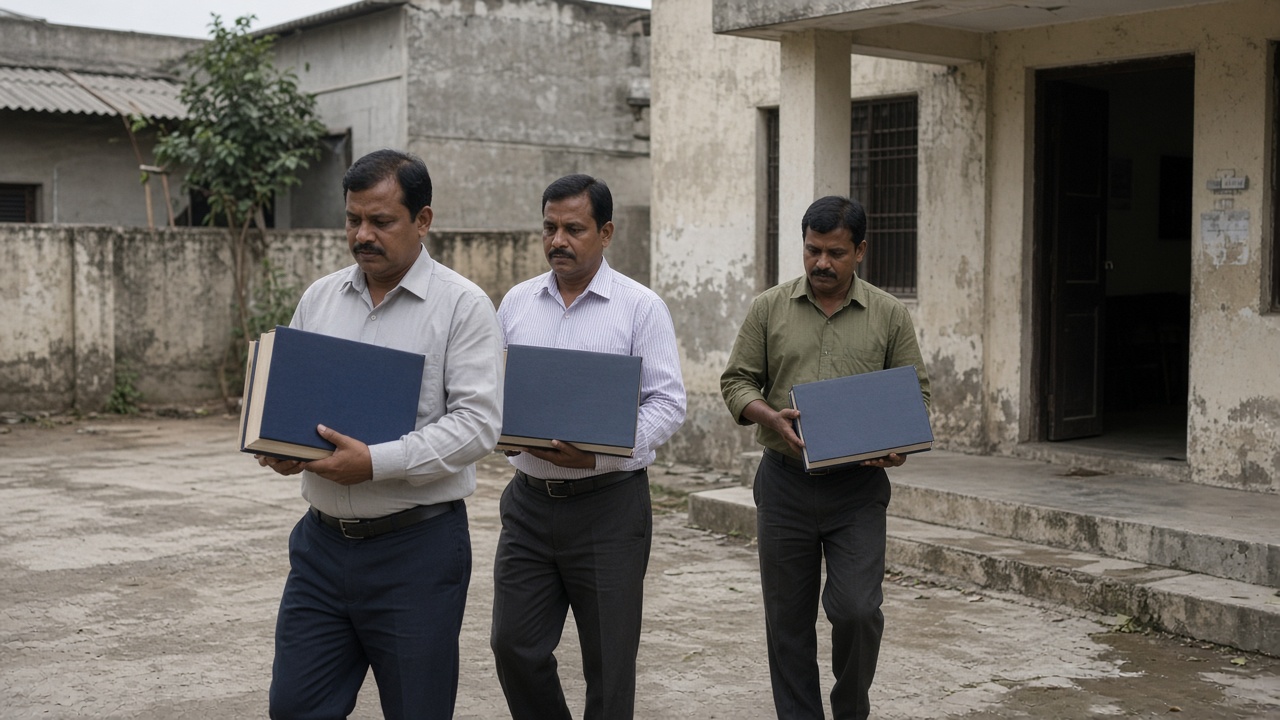
Bihar’s final electoral roll published on September 30 lists 7.42 crore voters after a Special Intensive Revision that net-deleted roughly 47 lakh names from the June baseline, a change opposition parties are challenging even as the Election Commission prepares to announce assembly poll dates. The revision closed on Vijayadashami eve while pandals drew crowds, underscoring how administrative deadlines now overlap with festival calendars.
The arithmetic
Election officials recorded about 68.66 lakh deletions offset by 21.53 lakh inclusions, yielding the 47 lakh net drop. Districts such as Gopalganj, Kishanganj and Purnia saw the steepest percentage declines, prompting allegations that Muslim-majority border regions were disproportionately affected. The commission has defended house-to-house verification, saying duplicate and shifted electors accounted for most removals.
Political fallout
Chief Minister Nitish Kumar’s Janata Dal (United) and the Rashtriya Janata Dal traded accusations over Form 7 objections filed in bulk before scrutiny windows closed. Congress leaders in Delhi linked the Bihar numbers to protests in Karnataka, arguing that roll hygiene is now a national campaign issue. The commission reiterated that any elector left off can still seek restoration until the last date of nomination filings.
Calendar pressure
The current assembly’s term ends November 22, compressing the window for a multi-phase election that must clear Chhath Puja between October 25 and 28. Analysts expect the first phase in late October or early November, similar to the 2020 timetable but with tighter logistics because of the revised roll.
Technology overlay
Chief Election Commissioner Gyanesh Kumar has pitched Bihar as the debut state for ECINet, a unified app linking booth-level officers with district officials. Whether that platform speeds grievance redress for deleted names will be watched as closely as the raw deletion percentages.
Legal challenges
Opposition petitions before the Patna High Court argue that house-to-house verification skipped migrant workers who returned for puja. The court has sought affidavits from the state chief electoral officer without staying the roll, leaving parties to mobilise booth agents who can spot missing names early.
Demographic detail
Women electors reportedly account for a slightly higher share of deletions in several constituencies, a trend watchdogs want the commission to explain with ward-level tables rather than statewide percentages.
Campaign logistics
With liquor banned on Gandhi Jayanti nationwide, parties used Thursday for volunteer training instead of rallies. Door-to-door canvassers carried printed extracts of the final roll, comparing names against household ration cards—a low-tech audit the EC encourages when digital apps fail in villages with weak signal.
Data transparency
Watchdogs asked the commission to publish ward-level addition and deletion tables, not just district aggregates, so researchers can test whether scrutiny restored names disproportionately in ruling-party strongholds.