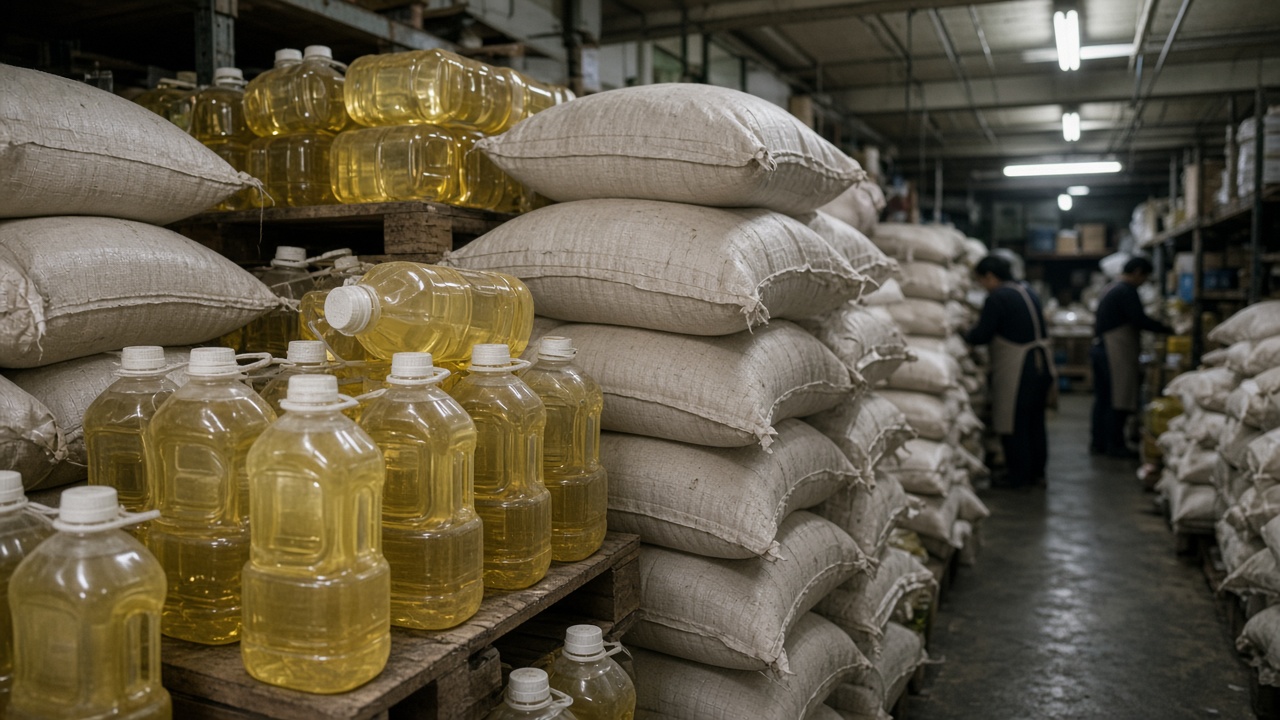
Premier Cho Jung-tai told the Executive Yuan on Wednesday that Taiwan would extend commodity-tax relief on fuels and grains through March 2027 and add a six-month tariff cut on imported soybean salad oil and soybean meal to steady cooking-oil and feed prices after domestic supply scares.
The cabinet had already rolled forward exemptions on imported soybeans, corn and wheat, half-rate diesel and liquefied-petroleum-gas taxes, and selected food tariffs when an earlier package expired at the end of September. Cho said the price-stability panel convened by Vice Premier Cheng Li-chun would keep watching Middle East energy shocks and global grain quotes before the next review.
What changed on October 1
Finance Ministry officials said the new soybean-oil and meal tariff reductions run through the end of March 2027 alongside the broader relief bundle. Salad oil is a staple input for bakeries and school kitchens, while meal is a primary protein source for hog and poultry farms. Officials tied the move to lingering tightness after the mid-year cooking-oil contamination case that forced emergency imports and angered households.
Economy Minister Kung Ming-hsin told the same meeting that state-owned CPC Corp. and Taipower would still need the legislature to pass the NT$607.6 billion supplementary budget if Taipei wants to keep electricity and fuel bills frozen through winter. Spokesperson Li Hui-chih warned that if lawmakers miss a year-end deadline, retroactive civil-service pay bumps and social-welfare top-ups written into the add-on bill could not be paid out.
Legislative calendar pressure
Deputy Premier Cheng listed 47 priority bills and three major budget packages—including the 2027 general budget, a defense procurement special budget, and the supplemental measure—for the current legislative session. Opposition parties have slowed supplemental spending before, but the cabinet framed the commodity-tax extensions as an executive action that does not wait on the add-on bill even as subsidies for CPC and Taipower do.
Households still see price checks at the checkout, not tariff codes. Supermarket chains said they would pass through lower import costs on salad oil within two purchase cycles if port quotes stay soft, while the Council of Agriculture asked feed mills to report meal inventories weekly so panic buying does not return.
What retailers and farms watch next
Business groups welcomed the extension but asked for a single portal listing which items still carry emergency rate cuts, saying scattered announcements make compliance audits harder for smaller importers. Agricultural cooperatives want meal shipments prioritized at Kaohsiung and Taichung ports when northeast-monsoon rains disrupt trucking in the north.
Lawmakers from all camps said they would scrutinize how much of the supplemental budget truly covers energy stabilizers versus election-year cash programs. For now, the Executive Yuan message is blunt: tax tools can buy time on grocery shelves, but frozen utility bills still ride on a budget vote in November.