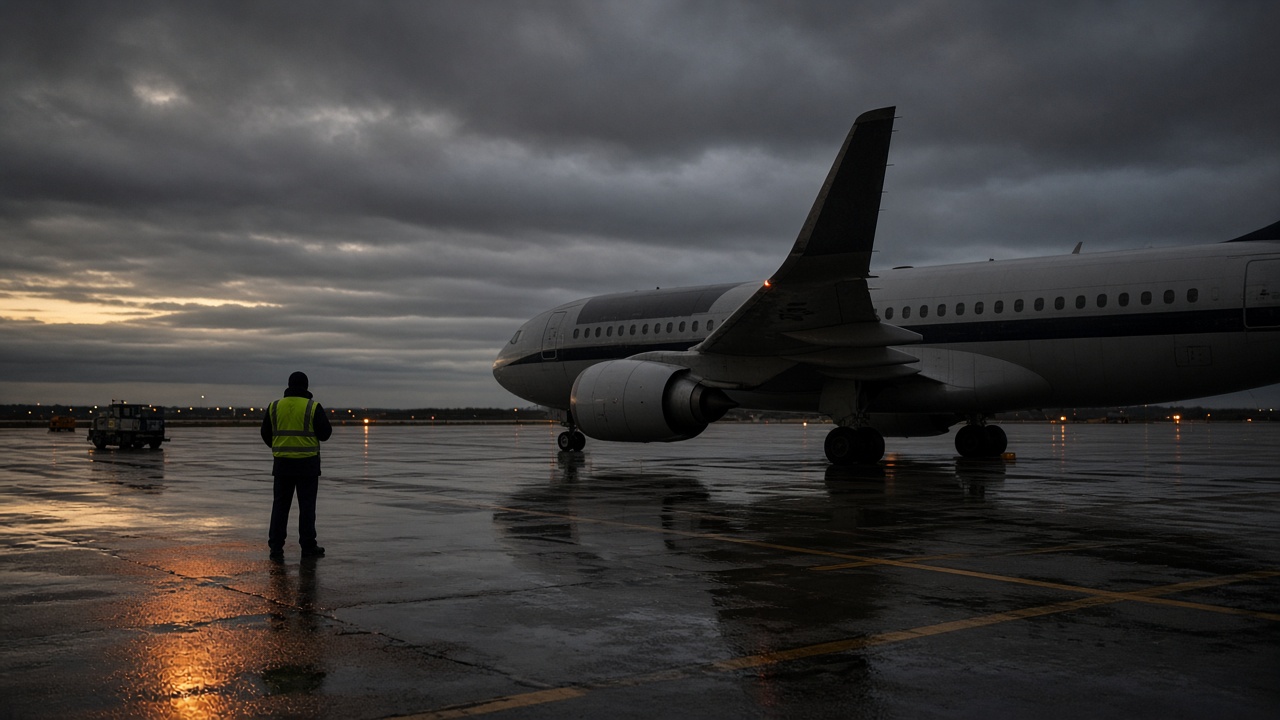
The Federal Aviation Administration told airlines to plan for possible ground stops and delay programs in Texas and Florida on Friday as Gulf thunderstorms build, a weather pattern that can ripple through hubs including Dallas-Fort Worth, Houston, Orlando, Tampa, Miami, and Fort Lauderdale during one of the first busy autumn travel weekends.
Thursday’s national operations plan already flagged thunderstorm delays for Florida airports such as Miami, Fort Lauderdale, Orlando, and Tampa, plus Texas hubs including Austin, Dallas, Houston, and San Antonio. Friday’s update added the possibility of ground stop programs after 6 p.m. Eastern in Orlando and Tampa and after 8 p.m. in Miami and Fort Lauderdale, with en-route constraints across several air-route traffic control centers serving the Gulf.
Construction adds friction beyond storms
Even on clear days, the FAA listed runway and taxiway work that trims capacity into November. Boston Logan has limited operations on runway 09/27 through October 31, San Francisco International faces overnight construction on runway 01R/19L through mid-November, and Seattle-Tacoma closes runway 16R/34L nightly through early October. Miami shut runway 08L/26R through October 31. Those projects matter if thunderstorms force diversions to already-congested alternates.
Travelers connecting through Houston should note that George Bush Intercontinental closed runway 15L until early October 3 UTC, while Hobby Airport has a longer closure on runway 04/22. Dallas-Fort Worth’s runway 18L/36R remains out of service until May 2027, concentrating departures on remaining strips when weather compresses the schedule.
What to do before you leave for the airport
Check your airline app for automatic rebooking options before you drive to the terminal. Carriers owe refunds only when they cancel flights; delay compensation depends on the contract of carriage and reason codes the FAA assigns to weather. If you must connect through a Gulf hub, build at least two hours of cushion or pick routings through inland cities when fares are similar.
Download your boarding pass and hotel confirmation offline in case cellular networks bog down when thousands of passengers refresh status pages at once. If a ground stop becomes a cancellation, ask whether the airline will cover a hotel only after an overnight delay; policies differ and crew-timeout rules can strand passengers even when weather improves.
How to monitor the day of travel
The FAA’s fly.faa.gov site posts the current operations plan and lists active ground delay programs by airport code. The agency’s @FAANews account on X carries the same weather squad updates cited in daily traffic reports. TSA checkpoint times are separate from runway delays; arrive based on your airport’s usual security peak, not on when your flight is scheduled, because late aircraft can move departure gates without much notice once the ground stop lifts.
Travel insurance tied to weather often requires a purchased delay of six or more hours or an outright cancellation; read the certificate before you assume a thunderstorm qualifies. Credit-card trip delay benefits may reimburse meals or hotels, but only if you charge expenses to the eligible card and keep itemized receipts.
Cruise and resort connections
Passengers flying to Florida ports for weekend sailings should monitor both the airline and the cruise line rebooking policies. A missed embarkation because of an FAA ground stop may not qualify for the cruise credit you expect if the contract treats weather as a force majeure event.
Rideshare surges at Orlando and Miami often spike when ground stops lift; consider reserving a backup hotel near the airport if you are traveling with children or medical equipment that makes overnight stranding risky.