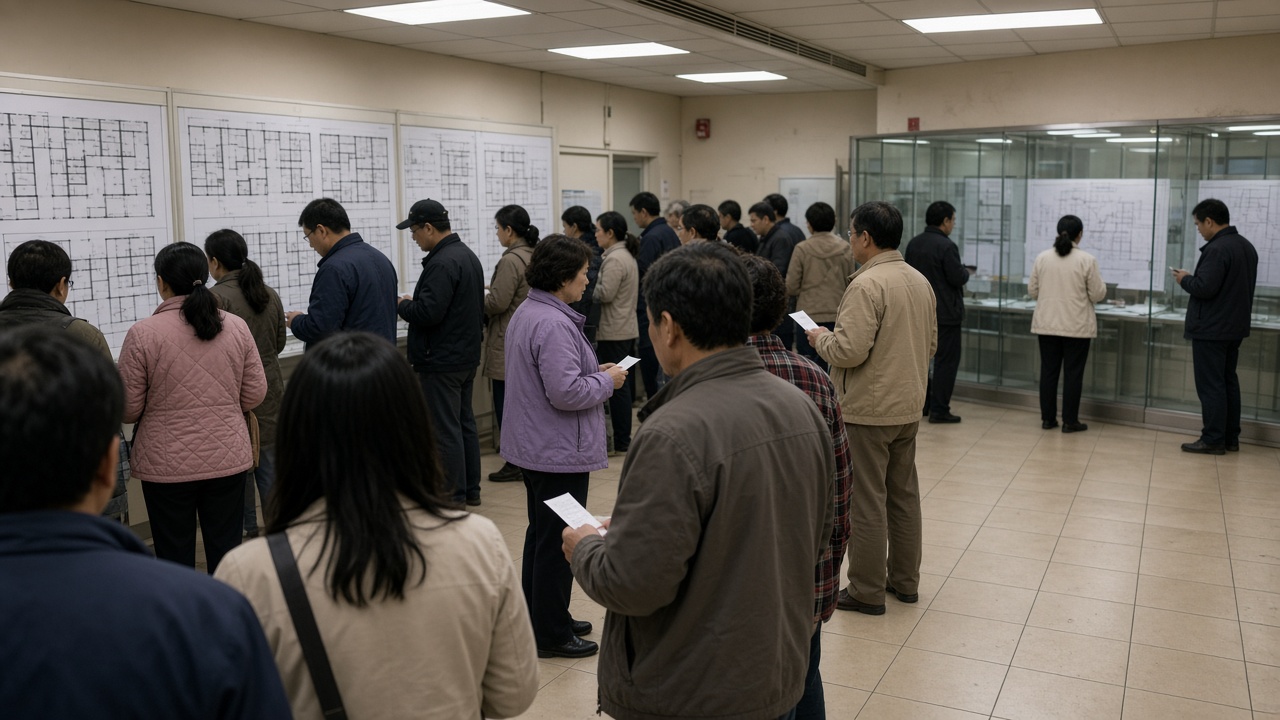
National Development Minister Chee Hong Tat said the October Build-To-Order window closed at 11.59pm on Wednesday with 31,095 applications chasing 9,144 flats, the final launch of 2026 and the widest supply mix the Housing and Development Board has offered since the post-pandemic ramp-up began.
What was on the table
The exercise spread units across Ang Mo Kio, Bedok, Bishan, Bukit Merah, Jurong East, Sengkang, Toa Payoh and Yishun, but attention centred on two maiden estates: Mount Pleasant in Toa Payoh with 1,348 units and Berlayar on the former Keppel Club site with 880 units. HDB also listed 207 Community Care Apartments at Fernvale Plains, the fifth such project, alongside standard two-room flexi to five-room formats. For households comparing against July’s launch of 5,547 flats, the October line-up looked like a deliberate push to clear backlog before February’s smaller six-project slate of about 4,600 units.
Ballot pressure and the Family Care Scheme
Chee’s tally implies roughly 3.4 applications per flat, softer than some peak exercises but still stiff for popular towns. From this launch, HDB enforced the Family Care Scheme joint balloting rules that reserve up to 15 percent of two-room flexi and three-room flats for parents and a matching tranche for adult children in the same project. MPs who toured showflats in Mount Pleasant said younger buyers asked whether sibling pairs without married children qualify; HDB’s circular limits the benefit to parent-child pairs regardless of marital status, a nuance that will show up in appeal letters after results publish.
Parliament questions due next week
Workers’ Party MPs filed questions for the sitting after recess on how HDB weights first-timer versus second-timer success rates in Berlayar, where private resale prices in Bukit Merah already exceed $1.4 million for older four-room units. Government backbenchers, meanwhile, want clarity on construction timelines for Mount Pleasant, where civil engineering works on the old police academy footprint ran behind the marketing brochures shown in September roadshows. Chee promised updated completion bands when ballots release, typically six to eight weeks after applications close.
Supply arithmetic for the year
With October counted, HDB said it launched 29,975 new flats in calendar 2026, comprising 19,723 BTO units and 10,252 Sale of Balance flats, beating the five-year 100,000-flat pledge one year early. That headline comforts policy makers, but individual buyers still face long waits in mature estates where substitutable resale stock is thin. Mortgage brokers report more clients pairing October BTO bids with open booking for Plus and Prime flats in the same towns, accepting higher price caps for shorter queues.
What happens after the close
HDB will run eligibility checks on income ceilings, prior home ownership and ethnic integration policy limits before assigning ballot numbers. Sales agents must stop collecting booking fees tied to specific projects; only licensed HDB appointments apply. Households that miss this window wait for February’s exercise, where supply tilts to Sembawang and Tampines rather than central sites. For the minister, the political test is not the aggregate launch count but whether Mount Pleasant and Berlayar success rates look defensible when results land in November — the first hard read on whether expanding supply actually thins competition in the estates Singaporeans fight over.
Household decisions now
Applicants who double-submitted across towns must withdraw duplicates before HDB’s audit window ends; failure can void all entries. Lawyers advising divorcees flagged that October’s forms tightened declarations on pending matrimonial proceedings affecting ownership splits. Rental households in transition should keep tenancy agreements running until HDB confirms a queue position, because ballot success does not guarantee a collection date within 12 months on every site. For most families, the practical takeaway is simpler: 31,095 households still want what only 9,144 units can deliver, and the final 2026 launch did not change that maths — it only shifted the geography of the wait.