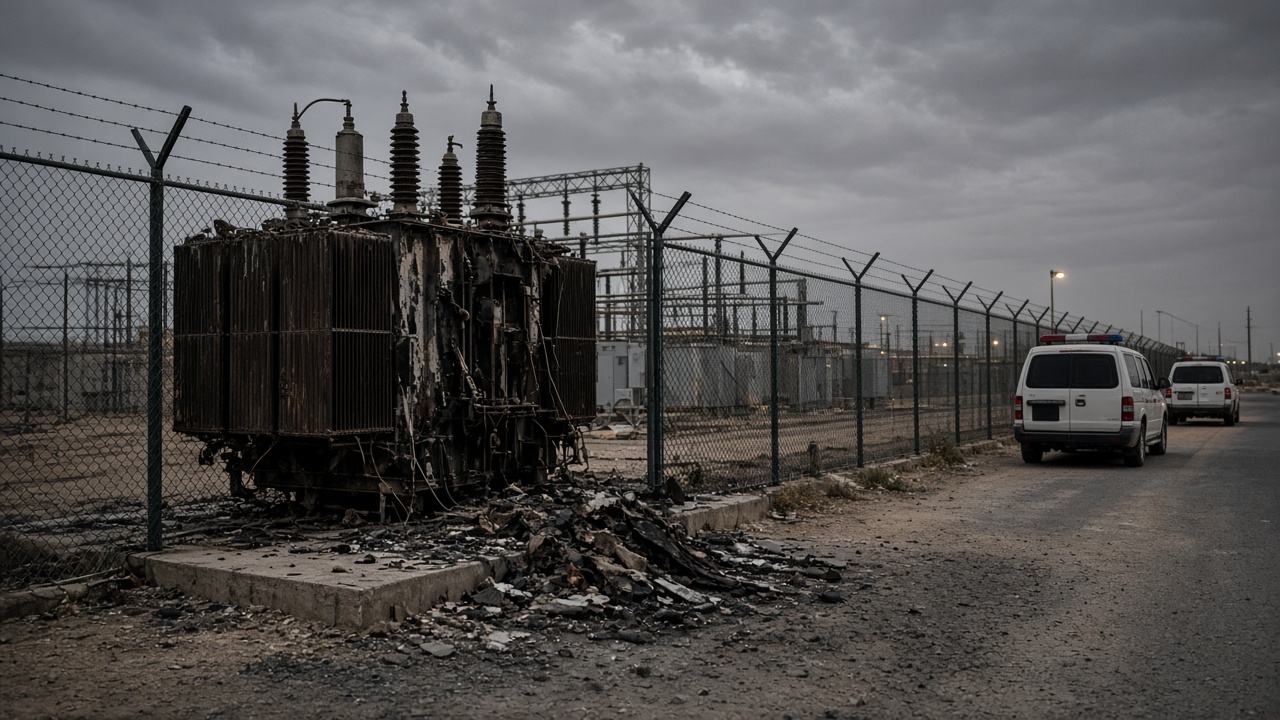
Turkey and Qatar led a wave of condemnation on Thursday after Saudi Arabia said a drone strike disabled a transformer at Medina's Taibah electricity distribution station, a facility the kingdom says supplies power to the Prophet's Mosque in one of Islam's holiest cities.
What Riyadh says happened
Coalition spokesman Major General Turki al-Maliki said the attack occurred at 5:11 a.m. local time on September 29. Investigators concluded, based on wreckage and an after-action review, that Yemen's Houthi movement planned and carried out the strike, he said in a statement circulated to reporters.
Al-Maliki described the incident as a "cowardly terrorist act" against a civilian site tied to the Two Holy Mosques. Saudi officials said one transformer was taken offline but the wider grid kept operating, limiting immediate disruption to worshippers and residents.
Reuters images from Medina showed debris that authorities attributed to the drone. The Houthis, who control much of northern Yemen including the capital Sanaa, denied targeting Islamic holy sites through their media outlets, repeating a line senior officials have used when previous accusations involved sensitive locations.
Regional diplomacy turns sharp
Turkey's foreign ministry said it "strongly condemned" what it called Houthi attacks on civilian infrastructure in Medina and urged an immediate halt to strikes that "threaten Saudi Arabia's sovereignty and security and target the sacred values of the Islamic world." Ankara framed Riyadh's security as inseparable from wider Gulf stability.
Qatar's government called the reported strike "a grave assault on the sanctity of Islamic holy sites" and a violation of Saudi sovereignty and international law. Doha said Gulf security could not be separated from the kingdom's, language Gulf capitals often deploy when seeking to keep a coalition intact despite competing interests over Yemen and Iran.
The League of Arab States labeled the attack an "unacceptable transgression" that "provokes the sentiments of Muslims worldwide," while Cairo's Al-Azhar institute said targeting Medina crossed a religious red line for Sunni Muslims globally.
Fighting escalates in Yemen
The Medina accusation landed as Yemen's internationally recognized government said it had escalated air operations against Houthi targets. AFP correspondents reported loud explosions in Sanaa on Thursday evening, and a military spokesman said strikes hit locations in Sanaa, Saada and Taiz, including what he described as 27 sorties against an integrated Houthi military system in Taiz.
The Houthis have launched drones and missiles toward Saudi territory since Riyadh entered Yemen's civil war in 2015. Attacks explicitly linked to Medina or Mecca remain rare, which is why Thursday's statements from Muslim capitals carried unusual urgency even though the physical damage described was limited.
What comes next
Saudi authorities gave no public timeline for restoring the damaged transformer. Western and Gulf officials will watch whether the incident becomes a rallying cry for deeper strikes inside Yemen or a diplomatic opening, as several governments simultaneously pursue ceasefire talks tied to the wider Middle East war.
For now, the story is less about megawatts lost than about symbolism: a power node serving the Prophet's Mosque became the latest flashpoint in a conflict that has already pulled in Iran, the United States and European navies guarding Red Sea shipping lanes.