Prime Minister Narendra Modi on Friday released a hospital-bed video of Captain Smit Machchhar describing how he forced open the cockpit door while bleeding on a flydubai flight from Dubai to Tel Aviv, giving passengers and crew a chance to overpower his co-pilot during an alleged attempt to crash the jet. The nearly 10-minute recording, filmed in Abu Dhabi where Machchhar is recovering, quickly became the dominant political story in India a day after leaders in Israel and the United Arab Emirates praised the Gujarat-born aviator as a hero.
What Machchhar told Modi
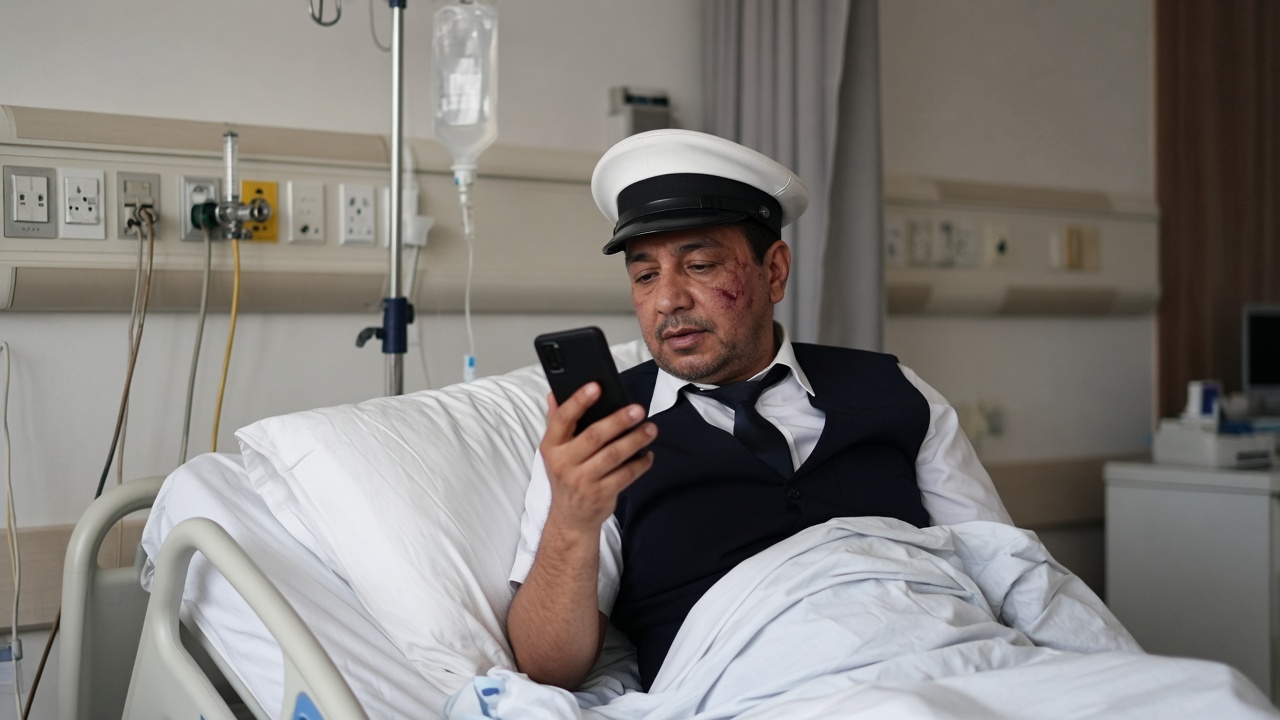
In the clip shared on Modi's social media channels, Machchhar appears with bandages on his head and hands and a tube in his nose. He wipes away tears as he walks the prime minister through Wednesday's emergency, when flydubai flight FZ1073 with 174 people aboard plunged thousands of feet in less than 30 seconds before landing in Tabuk, Saudi Arabia.
Machchhar said he was stabbed by the co-pilot and collapsed on the cockpit floor. Despite the injuries, he said he managed to reach the door latch so people outside could enter. A spokesperson for Israeli Prime Minister Benjamin Netanyahu told Reuters on Thursday that Machchhar was covered in blood when the door opened, allowing travelers to restrain the co-pilot until a second pair of flydubai pilots boarded and regained control.
Modi told Machchhar that his composure "saved lives and saved the reputation of Indian pilots," language that resonates in a country that supplies a large share of cabin and cockpit crew to Gulf carriers. The conversation was conducted in Gujarati, Machchhar's home language, underscoring the domestic audience Modi is speaking to ahead of state elections in Gujarat later this year.
Investigations and allegations
Netanyahu said on Thursday that it was clear the co-pilot had undergone radical Islamist indoctrination and was suicidal, though Indian and Emirati investigators have not publicly confirmed that characterization. flydubai has said it is cooperating with authorities in the UAE, Israel and India while supporting Machchhar's medical care.
The incident has rattled airlines that rebuilt Tel Aviv routes after earlier conflicts, and it arrives as India deepens ties with both Israel and the Gulf states. For New Delhi, the priority on Friday was to celebrate Machchhar while avoiding premature conclusions about motive until forensic and intelligence reviews conclude.
Political reception at home
Opposition leaders largely joined the chorus of praise, a rare moment of unity on a story that crossed security and diaspora pride. Gujarat Chief Minister Bhupendra Patel said the state would consider a civilian honor for Machchhar, and aviation unions demanded tighter mental-health screening for flight crews worldwide.
Modi's decision to publish the raw hospital exchange, rather than a scripted statement, signals how personally he is treating the episode. Indian media replayed the video through the day, focusing on Machchhar's description of reaching the latch with injured hands—a detail that will likely feature in textbooks and recruitment campaigns regardless of the legal outcome for the co-pilot.
What passengers face next
flydubai has not said when Machchhar might return to duty. Medical officials in Abu Dhabi have described his injuries as serious but not life-threatening. Indian diplomats said they are arranging for family members to travel to the UAE as recovery continues.
For the broader traveling public, the story revives uncomfortable questions about insider threats and cockpit security that regulators thought they had addressed after earlier hijacking eras. India's Directorate General of Civil Aviation said it is reviewing whether any additional reporting requirements apply to Indian license holders flying for foreign carriers, but officials stressed that the primary probe remains with Emirati authorities who control the airline's operating certificate.