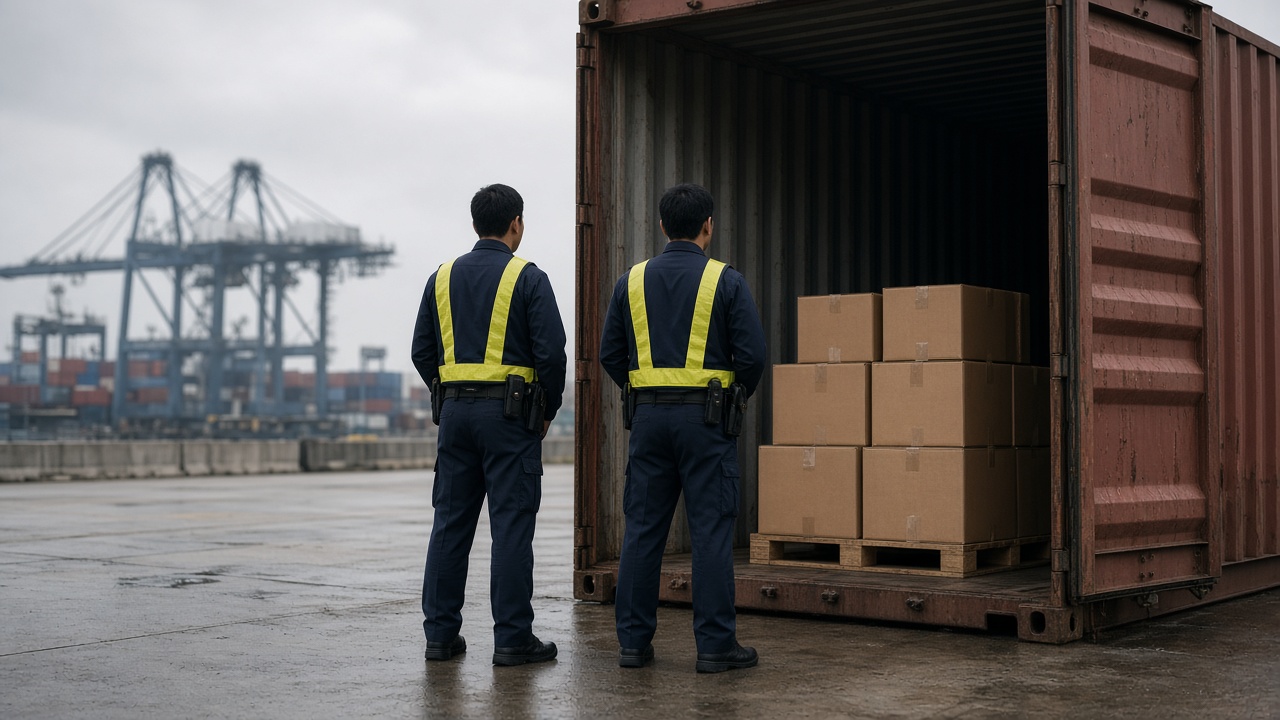
Singapore authorities seized about 391 kilograms of cannabis from an inbound container at the Pasir Panjang Scanning Station, one of the largest drug hauls disclosed at the port complex this year, the Immigration and Checkpoints Authority and Central Narcotics Bureau said Friday.
The container arrived on 24 September and was flagged for enhanced checks under ICA targeting, the agencies said in a joint statement. Image analysts spotted irregularities in the scan, and officers who opened the shipment found blocks that laboratory checks would later treat as cannabis, concealed inside boxes labelled as gloves.
Transit route still under investigation
CNB officers took over after the initial find and recovered 1,290 blocks altogether. Preliminary investigations indicate the drugs were transiting through Singapore and bound for another country; the agencies did not name the destination or any individuals on Friday.
Investigations are continuing. Under Singapore law, importing or exporting more than 500 grams of cannabis can attract the mandatory death penalty, a threshold the seized quantity far exceeds.
Border screening and enforcement
ICA and CNB said they work together to stop smuggling attempts at air, sea and land checkpoints. Friday’s disclosure emphasised the role of scan analysts and physical inspection after automated targeting, rather than a tip-off from overseas partners.
Pasir Panjang handles a large share of container traffic entering Singapore’s port. The scanning station is a choke point where high-risk boxes are diverted for closer examination before cargo moves onshore or is re-exported.
The joint statement included photographs of shrink-wrapped blocks stacked inside the container, a routine transparency step after large seizures meant to signal enforcement capacity to regional traffickers without identifying ongoing inquiries.
What traders and carriers face
Shipping lines and freight forwarders can expect renewed scrutiny of manifest descriptions and packing lists for agricultural or consumer-goods cover loads. CNB has repeatedly warned that concealment inside legitimate trade goods is a common tactic in regional networks moving cannabis toward downstream markets.
The agencies said ICA will continue to use technology and data analytics to harden border security. No court dates were announced with the seizure notice; any prosecution would typically follow separate CNB statements once inquiries advance.
For commuters and residents, Friday’s release is unlikely to change checkpoint wait times at land crossings. Sea cargo timelines could lengthen slightly if ICA widens referral rates after a haul of this size, though the authority has not announced policy changes beyond the case disclosure.
CNB’s last major cannabis interceptions at sea have drawn regional attention because traffickers increasingly route bulk loads through transshipment hubs. Singapore’s mandatory death-penalty threshold for large cannabis quantities means even transit seizures are treated as top-tier enforcement files, with both agencies keeping the investigation active rather than closing the case at the seizure stage.