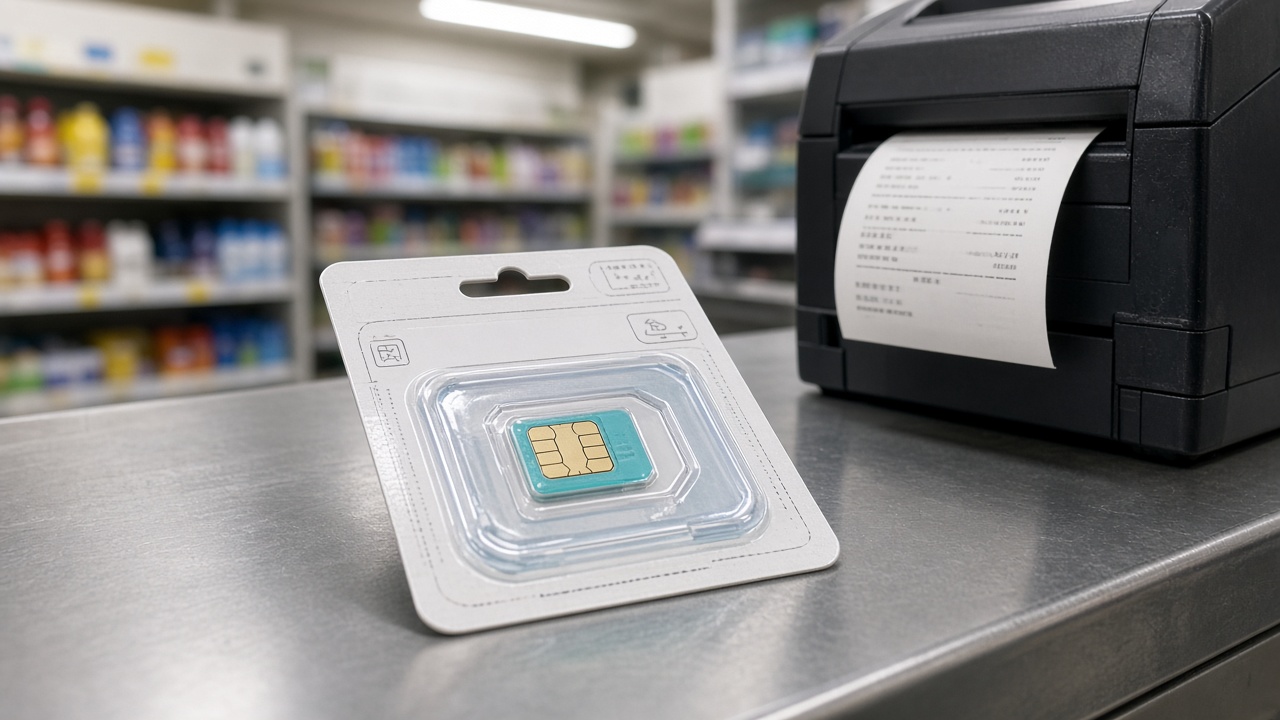
Telstra and Optus began routing more prepaid mobile activations through documented identity checks this week, aligning store and online flows with Australian Communications and Media Authority rules that require carriers to verify name, date of birth and address before a SIM goes live.
What customers will notice
Buying a starter kit at a supermarket still takes minutes, but completing activation now typically involves uploading a driver licence or Medicare card photo, or visiting a branded store for a staff-assisted check. MVNO brands that resell Telstra and Optus networks are passing the same steps through their apps, with clearer warnings that numbers will not register until verification succeeds.
The regime is not new law so much as tighter enforcement. The Telecommunications (Service Provider — Identity Checks for Prepaid Mobile Carriage Services) Determination has required identity verification for years; high-profile scam and fraud cases involving bulk anonymous SIMs pushed the ACMA to scrutinise compliance gaps during 2024 and 2025.
Digital ID on the horizon
The regulator’s September consultation proposed amending the determination so telcos can rely on government-accredited Digital ID services without seeking bespoke compliance plans. Submissions closed in October, and legislation registered in December would let customers consent to accredited identity exchanges during activation—a path Telstra experimented with under temporary dispensation after an investigation found thousands of activations used a method not yet listed in the rules.
Privacy advocates want parallel consumer protections: clear data retention limits, easy port-out if verification fails, and bans on selling metadata derived from ID documents. Carriers respond that stricter activation beats endless SMS phishing from throwaway numbers.
Security and fraud context
Australian Federal Police and state cyber units have linked prepaid SIM farms to investment scam call centres and to account takeover attacks against myGov and bank apps. Requiring ID does not eliminate crime—criminals still steal credentials—but it raises the cost of spinning up thousands of anonymous lines.
Business customers activating IoT SIMs for fleet trackers face bulk paperwork unless they use enterprise portals with existing account verification. Regional dealers worry about tourists without Australian ID; carriers are deploying visitor packs that activate only after passport checks at airport kiosks.
Competition and pricing
Amaysim and Boost Mobile marketing still emphasises cheap data, but checkout flows now highlight “ID required” in bold type. Industry executives told investors that compliance costs are modest compared with spectrum fees, though call-centre handle times rose slightly during the rollout week.
For households, the change is mostly friction at setup, not higher plan prices. The longer-term question is whether Digital ID integration actually speeds activations back below two minutes—or simply shifts trust to another government-linked pipeline that must stay online every time a teenager buys their first phone.