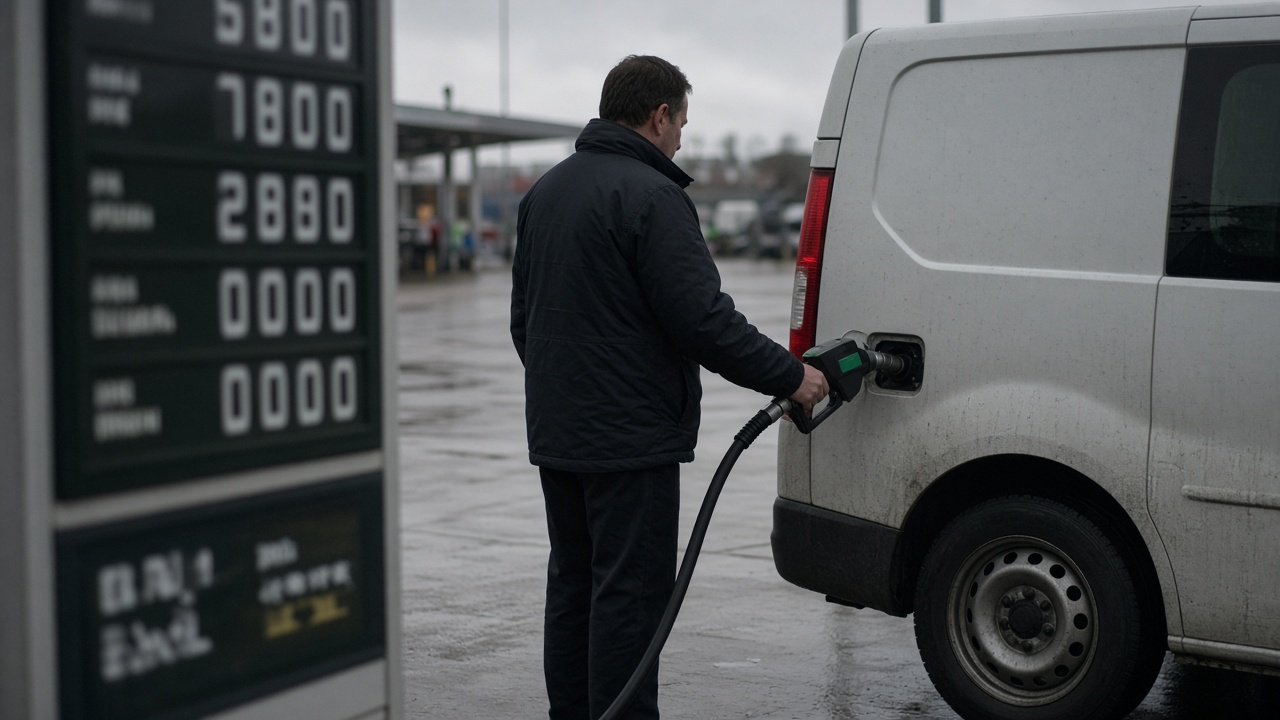
The average price of diesel at British forecourts topped £2 per litre for the first time on Friday, according to the RAC, as drivers and hauliers absorbed the latest shock from the prolonged conflict around Iran and the Strait of Hormuz.
The motoring organisation said the milestone arrived hours before leaders of the G7 advanced economies agreed to coordinate releases from strategic petroleum stocks, pledging up to 100 million barrels of crude and diesel over four months with a front-loaded diesel draw in the first 20 days. U.S. President Donald Trump had threatened to ban American diesel exports unless European allies put more fuel on the market; after the G7 call he told reporters he would not impose that ban.
What drivers are paying
RAC fuel spokesman Simon Williams said wholesale costs had been climbing for weeks as tanker traffic through Hormuz slowed and Asian refiners chased limited cargoes. The £2 average is a national mean; many motorway sites and rural pumps already charged more. The BBC quoted a Buckinghamshire driver who estimated he was spending an extra £500 a month on diesel, while a Manchester commuter said rising fuel costs were making the journey to work unaffordable.
Diesel underpins Britain's logistics chain. Supermarket delivery fleets, NHS supply runs and independent hauliers price contracts against pump benchmarks. When diesel moves, inflation expectations for food and manufactured goods follow, even when headline consumer price growth is easing elsewhere.
Government response
UK Transport Minister Keir Mather insisted on Friday that Britain's diesel supply remained secure and well stocked, pointing to diversified import routes and inventories held by refiners and retailers. Analysts including the BBC's business team said a physical shortage in the UK was unlikely in the near term, but that prices could stay elevated while global arbitrage routes rebalanced.
The G7 communique committed members to avoid new restrictions on energy trade among partners and to work through the International Energy Agency on the reserve release. European Union officials separately discussed additional diesel stock draws proposed by France after U.S. pressure, Reuters reported.
Outlook for fleets and households
Fleet operators said they were passing fuel surcharges to customers where contracts allowed, while charities warned that delivery costs could force cuts to aid shipments. The RAC urged the government to consider targeted relief for essential users if prices remained above £2 through October.
Currency moves also matter: sterling's level against the dollar affects how quickly lower global crude prices translate to British pumps. Traders said Asian gasoline and gasoil margins had already hit records this week, a signal that competition for cargoes would continue even after the G7 announcement.
For motorists, the practical question is how fast the coordinated reserve release feeds into wholesale markets. Industry groups said they would watch the first IEA tranche over the next three weeks before revising forecasts for the autumn driving season.