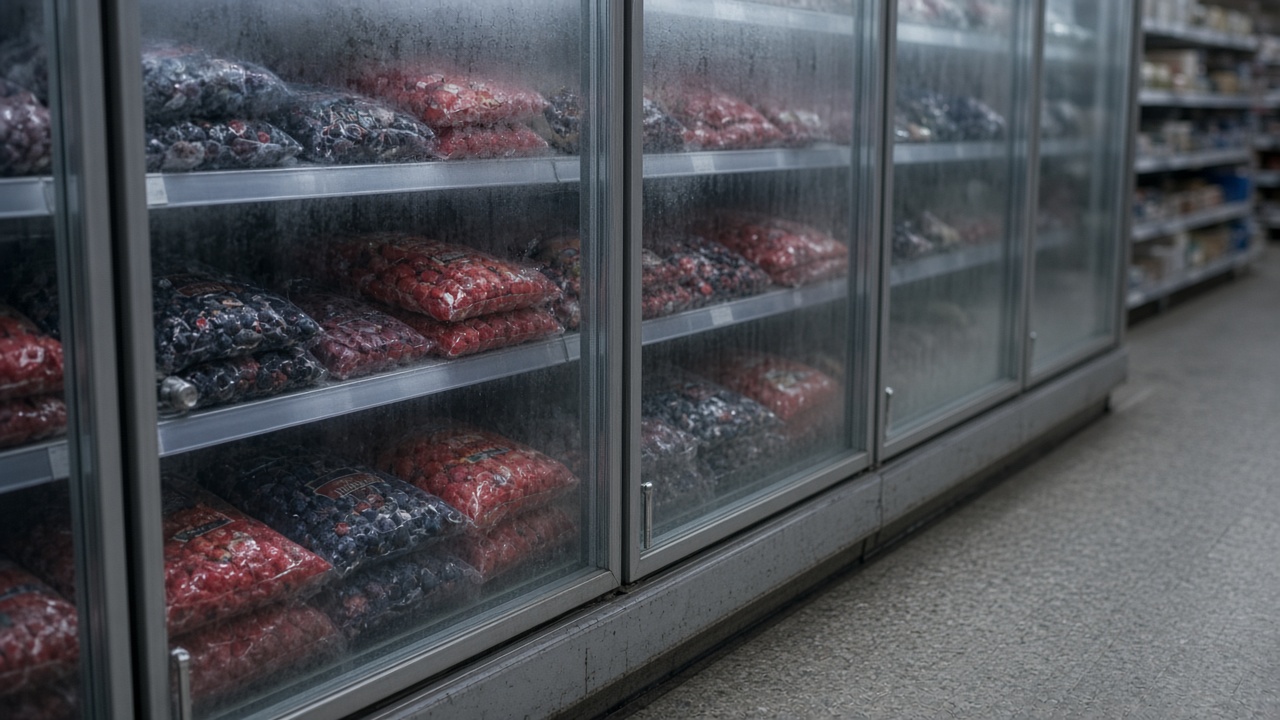
Frozen organic blueberries and mixed-berry blends sold under Great Value and Trader Joe’s store labels joined the Food and Drug Administration’s active recall list on October 2, 2026, after supplier testing found potential contamination with E. coli O145:H28.
Products and supplier
The FDA’s public recall table names Frutas y Hortalizas del Sur S.A. as the company behind the withdrawal. Retailers affected include Walmart’s Great Value line and Trader Joe’s private-label organic berries and triple-berry blends distributed nationwide in frozen form.
Shiga toxin-producing E. coli can cause severe stomach cramps, bloody diarrhea, and vomiting. Young children, older adults, and people with weakened immune systems face higher risks of kidney complications. Infections sometimes trace to raw agricultural products that consumers eat without a kill step, which is why frozen berries—often blended into smoothies without cooking—trigger aggressive recalls even when no illnesses are confirmed on day one.
What to do in your kitchen
Check freezer bags against lot codes and best-by dates in the FDA notice and retailer bulletins. Do not taste a suspect bag to see if fruit smells off; pathogens do not always change aroma or color.
If you purchased affected berries, throw them out or return them to the store for a refund per the grocer’s posted policy. Wash hands and any surfaces that touched the fruit with hot, soapy water. If someone in your household develops diarrhea after eating frozen berries, tell clinicians which brands and dates you used so labs can order the right stool tests.
How this differs from other October recalls
The same week brought separate FDA actions on refrigerated pasta, broccoli seeds, and regional ice cream for unrelated hazards. The berry withdrawal is notable because both discount and specialty grocers sourced fruit from the same overseas supplier chain, meaning identical lots could sit in suburban Walmart freezers and Trader Joe’s cases in coastal cities.
Organic labeling does not eliminate microbial risk; it changes pesticide rules, not pasteurization. Some consumers assume frozen organic fruit is safer than conventional fresh berries, but freezing preserves bacteria that entered the supply chain before harvest or packing.
Shopping after a multi-store recall
When restocked bags return, look for new lot numbers and country-of-origin statements on the back panel. Retailers often swap suppliers quietly after outbreaks; keeping a photo of the UPC and lot code on your phone speeds refunds if a second notice expands.
Households that rely on smoothies for breakfast may switch temporarily to whole fruit you peel yourself, or to brands publishing third-party audit results. None of that guarantees zero risk, but it spreads exposure across suppliers while investigators trace how O145 entered the packing line.
When to seek care
Most healthy adults recover within a week, but bloody stools, high fever, or signs of dehydration warrant urgent care. Pregnant people should call obstetric providers early because some E. coli strains complicate pregnancy even when the patient feels only mildly ill at first.
Retail hotlines and refunds
Walmart and Trader Joe’s typically post expanded recall details on corporate safety pages with UPC scans for store-brand items. Keep your receipt or bank statement line item; grocers can trace warehouse shipments faster when you provide purchase dates even if the bag is already discarded.
Food banks and meal programs that accept donated frozen goods should check FDA termination notices before distributing legacy berry donations sitting in commercial freezers. Volunteers often miss secondary recalls when headlines focus on a single chain.
Smoothies, daycare, and schools
Child-care centers blending frozen fruit for snacks should confirm suppliers in writing that lots were cleared. A single recalled bag mixed into a batch cooler can trigger mass testing events that close classrooms even when no child falls ill.
State health departments often publish parallel notices hours after the FDA table updates; signing up for your county’s food-safety alert email can surface lot numbers formatted for local scanners that national write-ups omit.