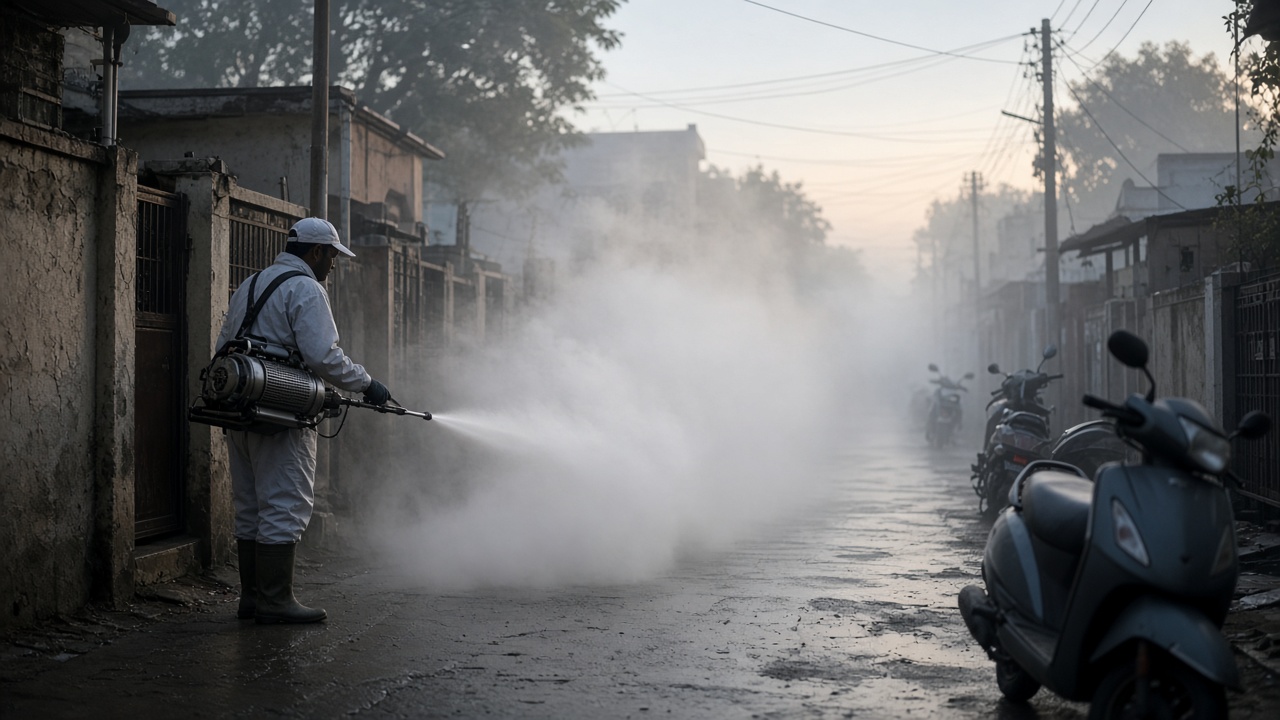
Delhi recorded 597 dengue cases and 214 malaria cases so far in 2026, according to the Municipal Corporation of Delhi’s latest vector-borne disease bulletin, with September contributing 286 dengue infections alone as post-monsoon breeding surged.
The tally nearly tripled compared with counts through August, underscoring how quickly Aedes mosquitoes exploit stagnant water once monsoon rains pause. In the week ending 26 September, officials logged 85 new dengue cases and 29 malaria cases. No dengue or malaria deaths have been reported citywide this year in MCD statistics cited by health agencies.
Inspection numbers
MCD said teams conducted more than 3.03 crore household visits to check for domestic breeding sites through 26 September, finding larvae in over 1.76 lakh homes. The corporation issued 125,708 legal notices for mosquitogenic conditions, launched 17,599 prosecutions, and collected roughly Rs 25.98 lakh in fines through 11,803 penalty actions.
Public health specialists caution that official counts lag clinical testing. Many fevers are treated in private clinics without ELISA confirmation, which means the true burden may be higher even as severity stays moderate this season.
Hospital preparedness
Delhi government hospitals said pediatric wards have added platelet transfusion slots and hydration bays, though occupancy remains below the peaks seen in 2023. Doctors quoted in local media urged parents not to self-medicate fevers with NSAIDs that can complicate dengue management.
Neighboring Gurugram facilities reported higher outpatient fever volumes, a ripple effect as commuters carry infections across the NCR without geographic labels on dashboards.
What residents can do
Officials repeat the same checklist: empty rooftop trays, cover cisterns, and allow municipal teams access for indoor spraying when requested. With Sharadiya Navratri crowds arriving in markets next week, vendors are asked to clear discarded cups and coconut shells that hold enough water for eggs to hatch in days.
Dengue season is far from over, but Delhi’s zero mortality line so far suggests earlier awareness campaigns and quicker platelet support may be helping. The next test is whether inspection fatigue sets in as case numbers climb into October.
Schools in central Delhi have resumed morning assemblies with short awareness skits after the Dussehra break, and several RWAs in south Delhi have pooled funds for additional domestic breeding checkers in lanes where construction debris traps rainwater.