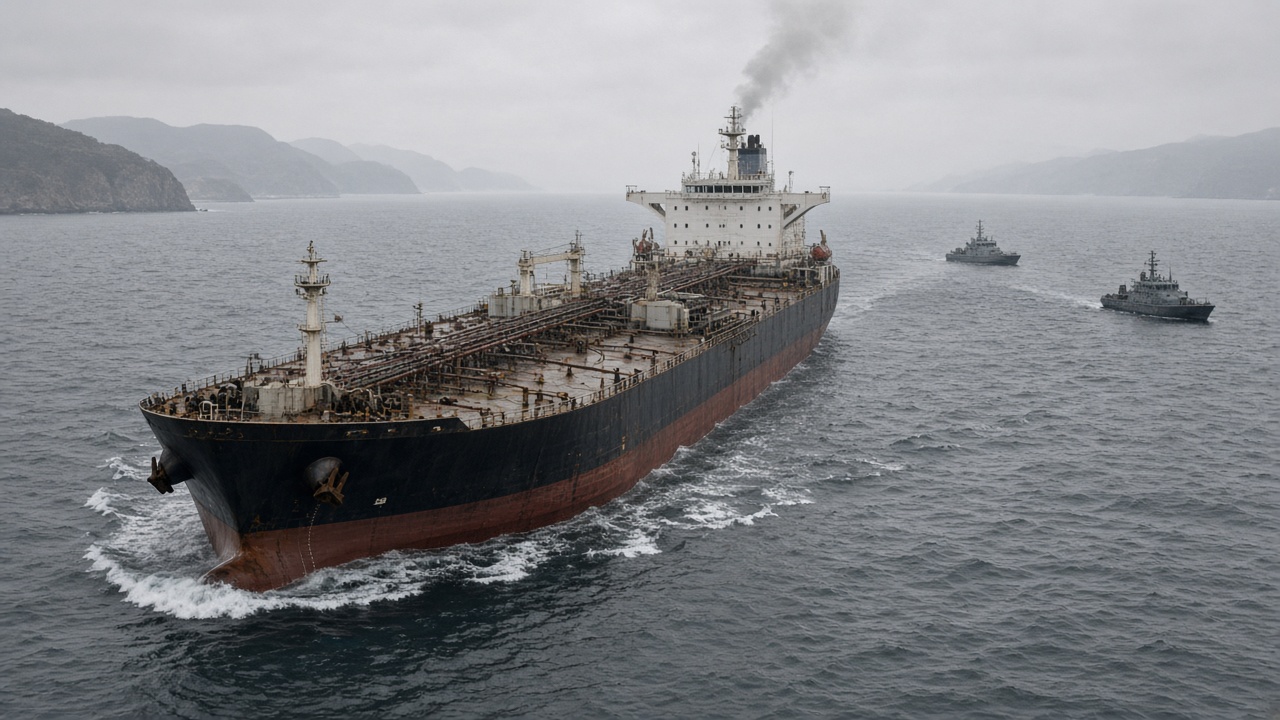
Commercial shipping through the Strait of Hormuz faced a fresh security jolt on Saturday after the United Kingdom Maritime Trade Operations recorded projectile strikes on tankers in separate transits, with at least one vessel reporting a small fire and a temporary blackout while crews remained unharmed.
The incidents land in an already taut energy market. G7 leaders agreed earlier in the day to begin a coordinated draw of strategic petroleum reserves, and analysts have tied premium crude pricing to repeated disruptions along the Persian Gulf corridor that handles roughly a fifth of daily seaborne oil trade.
What UKMTO reported
UKMTO, which issues maritime security advisories for merchant crews, said unidentified projectiles struck two oil tankers in separate events on Saturday, according to live updates carried by broadcasters and wire services monitoring the Iran-related conflict.
Anadolu Agency’s morning roundup cited UKMTO reporting that one tanker was hit while transiting Hormuz, causing a small fire and a blackout, with no casualties. Al Jazeera’s live coverage on Saturday likewise quoted UKMTO warnings that “unidentified projectiles” struck two tankers in separate incidents inside the strait.
Neither advisory in public reporting named the vessels, flag registries, or cargoes. That gap is typical in the first hours after a maritime attack, when owners, insurers, and flag states verify damage before releasing statements.
Why insurers are watching
Hormuz has been a pricing and routing pressure point since earlier escalations in the Middle East closed or complicated passages for some operators. War-risk premiums for tankers calling at Gulf load ports jumped through the summer, and charterers have increasingly routed around the chokepoint when schedules allow, even at higher fuel cost.
Saturday’s twin reports matter because they suggest assailants—or misidentified fire—can still reach laden tankers despite naval patrols and U.S. Central Command’s efforts to shepherd commercial traffic. UKMTO routinely urges masters to exercise caution, review security plans, and report suspicious activity; those advisories now carry immediate balance-sheet weight for any owner with fixtures through the Gulf.
Market and diplomatic backdrop
The tanker reports arrived hours after G7 governments announced they would release 100 million barrels from emergency stocks over four months, including a front-loaded diesel component within the first 20 days. President Donald Trump said European allies had agreed to release a “massive amount” of diesel inventories, framing the move as a buffer against volatility rather than an export ban on U.S. refined products.
United Nations agencies have warned that Hormuz disruption disproportionately hits food and fuel costs for import-dependent economies. UN Women said this week that women and girls make up 53 percent of the 22 million additional people projected to face food insecurity by year’s end because of Middle East escalation and strait disruption.
What happens next
Maritime lawyers and P&I clubs will wait for hull and machinery surveys before declaring whether the Saturday strikes trigger general average or separate war-risk claims. Military spokespeople in the region have not publicly attributed the projectiles; past Hormuz incidents have involved drones, limpet mines, and missile fragments, each carrying different liability and retaliation calculus.
For now the operational message to masters is unchanged: transit only with updated threat briefings, maintain AIS discipline where security plans allow, and report any projectile or drone sighting to UKMTO and naval coordination cells without delay. A calm weekend for energy traders still depends on whether Saturday’s hits remain isolated sparks or the opening of another sustained harassment campaign against tanker traffic.