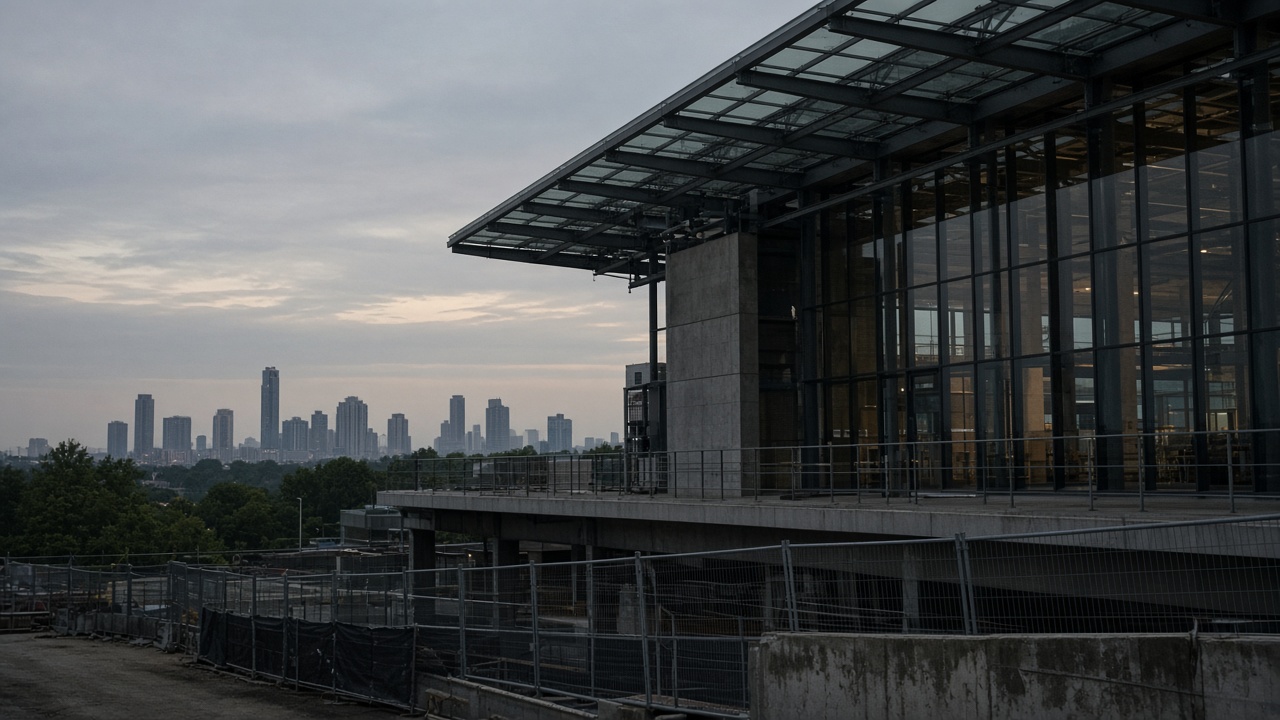
Singapore’s transport minister Jeffrey Siow said the Johor Bahru–Singapore Rapid Transit System Link should begin carrying passengers before Hari Raya Puasa next year, advancing a timeline that operator RTS Operations had pegged to February 2027.
A moved-up passenger target
In a Facebook post on Friday evening, Siow said Singaporeans and Malaysians have waited years for the four-kilometre shuttle and that both governments want the line running ahead of the Hari Raya holiday, expected around 10 March 2027. The comment follows RTS Operations’ earlier notice that system tests and trial runs would continue until 31 December this year.
RTS Operations had told commuters to expect paid service to start in February 2027 after safety certification and licensing work slipped past earlier milestones. Siow did not publish a firm calendar date, but his Hari Raya framing signals that Woodlands North and Bukit Chagar stations should be linked for revenue service within roughly five months rather than sixteen.
Where construction and testing stand
The Land Transport Authority and Malaysia’s transport ministry said in a joint statement Friday that civil and systems works on both sides of the Causeway are substantially complete. They said remaining commissioning activities must finish before passenger service can be licensed, language that matches the operator’s year-end testing window.
Once open, the shuttle will run at up to 80 kilometres per hour and move as many as 10,000 passengers per hour in each direction between Woodlands North in Singapore and Bukit Chagar in Johor Bahru. Fares and exact headways have not been finalised in public filings, but both governments have pitched the link as relief for the bus and road crossing that now carries much of the daily workforce flow.
Why the schedule slipped—and what Siow is promising
Siow acknowledged that safety certification and licensing were supposed to wrap before the end of 2025 but did not. He credited crews on both sides for keeping infrastructure on track even as software integration and trial operations consumed the back half of this year.
Malaysia’s transport minister and Singapore’s LTA have repeatedly described the RTS as a bilateral flagship. Delayed openings would collide with election cycles in Johor and with Singapore’s own congestion politics, where employers depend on cross-border staff arriving before morning shifts. Pulling the target to Hari Raya would let both capitals showcase the line during the busiest family travel season.
Commuter questions still open
Commuters asked on social channels how an earlier opening squares with RTS Operations’ December testing cutoff. LTA has not published a revised licensing calendar, and the operator has not amended its February 2027 passenger notice on its website. Industry analysts said Siow’s post reads as political direction to compress commissioning, not a signed operations certificate.
Until trial runs finish and regulators on both sides sign off, tickets will not go on sale. For now, the measurable change is the minister’s public deadline: passenger service should beat Hari Raya, even if the formal February 2027 placeholder remains on operator letterhead.