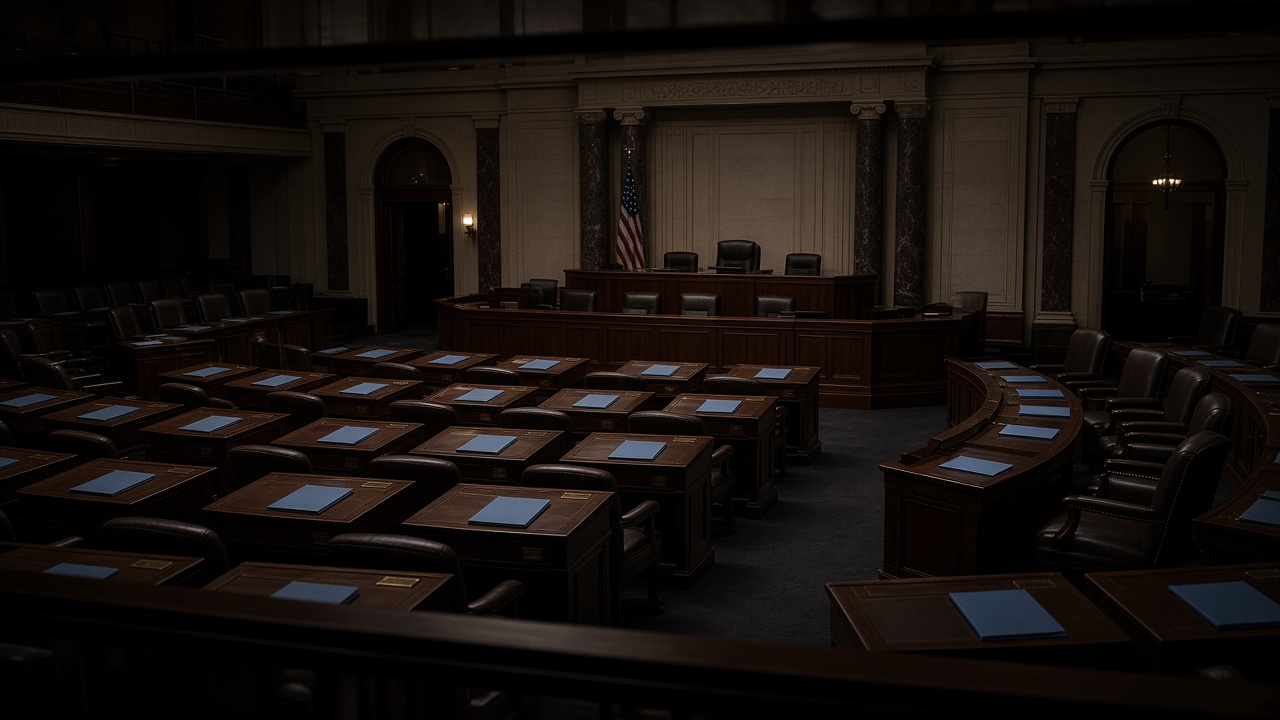
The federal government shutdown entered its third day on Friday after the Senate again failed to invoke cloture on a Republican-authored funding package, leaving roughly 750,000 federal workers on furlough or working without pay until at least Monday. The 54–44 vote fell six short of the 60-vote threshold, with Democrats holding out for concessions on health subsidies and immigration enforcement funding that GOP leaders have refused to attach to a short-term bill.
Vote math and negotiating lines
Republicans argued their continuing resolution would reopen agencies while talks continue on longer-term spending. Democrats countered that the measure locks in cuts to Affordable Care Act outreach and leaves unresolved a dispute over extending enhanced premium tax credits due to expire at year-end.
Neither side released a revised compromise text after Friday's defeat. Senate Majority Leader John Thune told reporters that negotiators would regroup over the weekend but did not schedule another floor vote before Monday afternoon, ensuring paycheck delays for many civil servants.
Executive pressure beyond the Capitol
While the Senate stalemate dominated headlines, the Trump administration escalated financial pressure on Democratic jurisdictions. The Office of Management and Budget placed $2.1 billion in Chicago-area transit grants on hold Friday, citing reviews of "race-based contracting" compliance. City officials said the freeze jeopardizes elevated-track rehabilitation projects already under contract.
That move adds to roughly $28 billion in federal funds the administration has withheld from Democratic-led states and cities since the standoff intensified, according to tallies compiled by congressional Democrats. Budget director Russ Vought framed the holds as protecting taxpayer money; mayors called it punitive politics layered on top of a funding lapse.
Agency operations on the ground
Essential public-safety and military functions continue, but civilian-heavy agencies have sent stop-work orders. National parks closed visitor centers, the Securities and Exchange Commission delayed some corporate filings, and the E-Verify employment screening system went dark—complicating hiring for firms that must confirm immigration status before onboarding.
The Internal Revenue Service warned that paper return processing will slow, though the October 15 extended filing deadline for many taxpayers remains statutory. Airport security screeners and air-traffic controllers are working as "excepted" employees, but unions say absenteeism rises when paychecks stop.
What changes Monday
If no deal emerges over the weekend, the shutdown will stretch into a second workweek, increasing the odds that food-aid payments and small-business loan programs face interruptions. Markets have so far treated the closure as a familiar political risk, but bond analysts note that repeated short-term crises raise borrowing costs for municipal issuers dependent on federal reimbursement.
Congress returns with the same arithmetic: Republicans need at least six Democratic votes unless they change the underlying bill. Until then, agencies will run on contingency plans written for multi-week lapses, and the White House appears willing to pair funding votes with targeted freezes aimed at opposition cities.