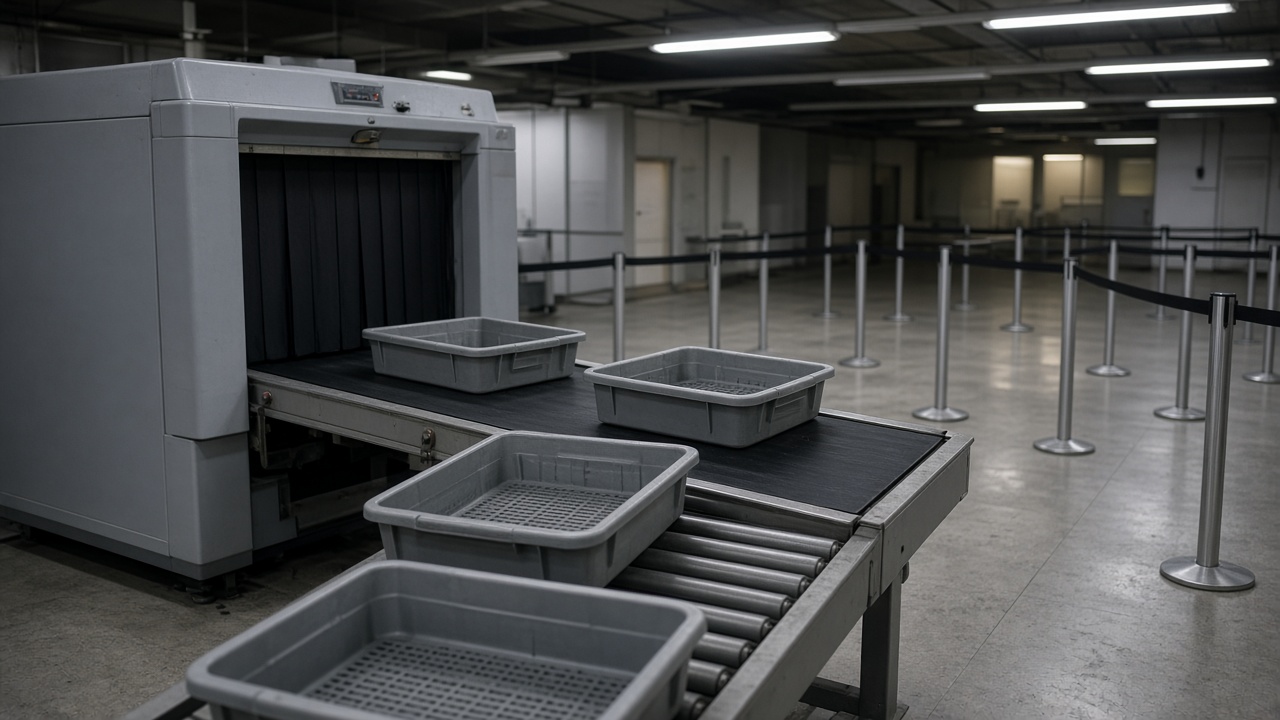
Saturday travelers hitting early-October getaways walked into airports on day three of a federal shutdown where security screeners and air-traffic controllers still had to report for shifts they would not be paid for until Congress restores funding.
What still runs
TSA checkpoints remain open because aviation security is classified as essential. Controllers likewise stay in towers and centers. Passport and visa processing generally continues on fee revenue, though offices inside closed federal buildings may limit public hours even when back-room staff keep working.
REAL ID rules did not pause with appropriations. Domestic passengers still need a compliant driver’s license—with the star marking—or an acceptable alternative such as a U.S. passport. Travelers without valid ID can use TSA’s ConfirmID program for a $45 identity verification fee if they complete the process before arriving at the checkpoint.
Where delays build
During the 2025 shutdown that stretched through November, unscheduled TSA call-outs more than tripled at some hubs, and individual airports reported majority no-show rates during storms. A lapse that begins October 1 lands in the middle of fall break and leaf-peeping demand, when terminals already run tight on slack.
Global Entry enrollment interviews and some Trusted Traveler renewals slow when Customs and Border Protection administrative staff are furloughed. TSA PreCheck enrollment has historically stayed available longer than Global Entry, but appointment backlogs can still stretch if contractor sites inside federal offices close.
Practical checklist before you leave home
Confirm flight status on your airline’s app before driving to the airport—controllers working unpaid overtime can still force schedule cuts if staffing floors are breached. Pack snacks and chargers in case security lines spill into boarding times.
Carry physical ID even if you use a mobile driver’s license where your state offers one; not every checkpoint reader handles mDLs reliably during equipment swaps. If you are connecting through a large hub, avoid minimum legal connection times below 75 minutes until funding returns.
Refunds and credits
Airlines owe refunds when they cancel flights, but weather and staffing disruptions blend during shutdowns. Document delay announcements in the carrier’s app and save TSA wait-time screenshots if you miss a connection due to security queues; customer service agents sometimes grant waivers when federal contingency plans are cited in FAA advisories.
Travel insurance with “trip delay” riders may trigger after six- or twelve-hour thresholds, but read exclusions for government shutdowns. Some policies treat lapses as known events once funding expires, limiting new purchases after October 1.
If you are booking trips for November
Fee-funded passport operations can continue, yet renewal backlogs grow when agency buildings restrict walk-ins. Apply online for passport renewals by mail if you are eligible, and pay for expedited service only through the official State Department site—not third-party ads that mimic government seals.
Shutdowns end unpredictably, but October leisure traffic does not wait. Treat extra airport time as part of the ticket price until appropriations return and TSA overtime checks clear.
International departures during a lapse
CBP officers screening outbound passengers remain on duty, but administrative delays can hit inbound visa waiver reviews if staffing is thin. U.S. citizens flying abroad should carry printed itineraries and proof of onward travel when visiting countries that ask about federal employment status at entry.
Cruise ports that rely on Coast Guard inspections generally continue operations because maritime safety missions are exempt, yet shore excursions tied to national parks may cancel when Interior Department sites close gates without rangers on site.
Hotel and rental-car contingencies
Airport rental counters stay open, but roadside assistance programs staffed by federal contractors can slow if those contracts lack appropriated dollars. Save the rental agency’s local number instead of relying solely on a federal highway service line printed on your membership card.
Family travelers should pack paper copies of children's birth certificates for domestic trips if they recently renewed IDs at a DMV affected by state budget backlogs unrelated to the federal lapse—two bottlenecks at once are common in October.