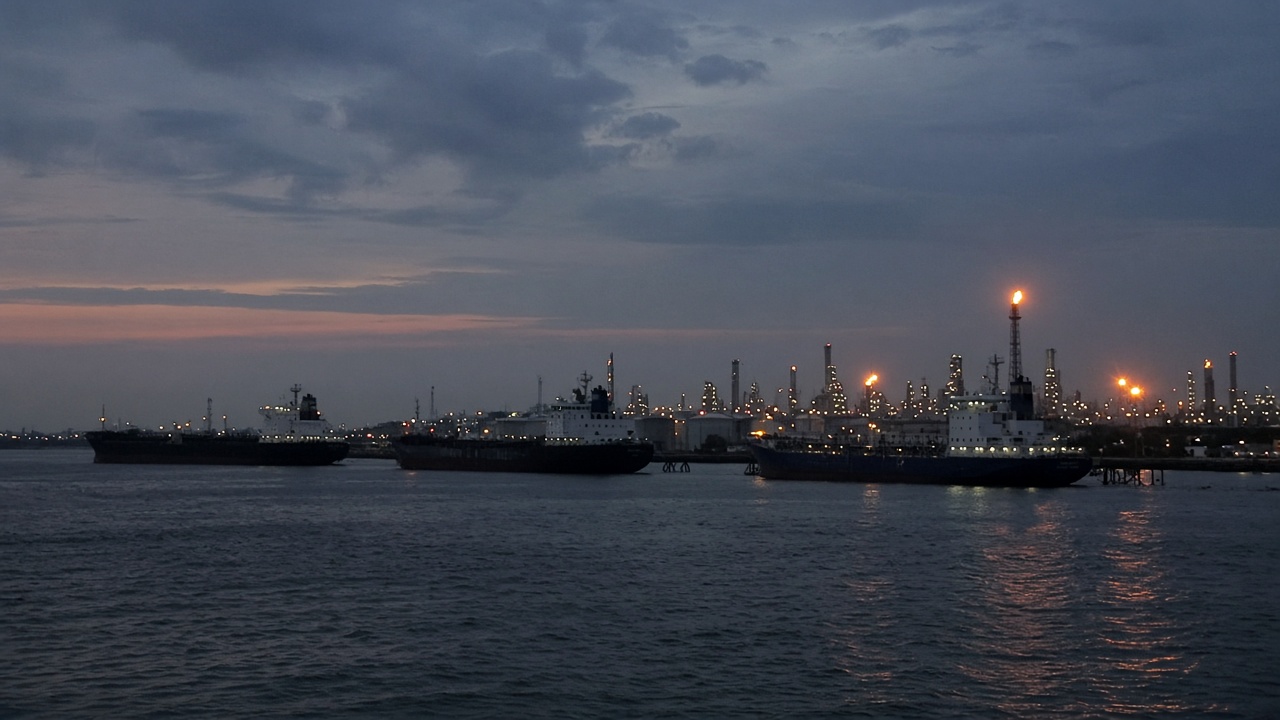
Singapore's role as Asia's primary gasoline blending hub is under strain after Beijing suspended exports of refined fuels to destinations beyond Hong Kong and Macau this month, traders and ship-tracking data show.
Analytics firm Kpler estimated that Singapore imported 1.772 million metric tons of Chinese gasoline in the first nine months of 2026, about 62 percent below the comparable 2025 pace. Light-distillate inventories in the city-state have fallen to their lowest level in five years, according to market participants cited by Reuters, even before the latest policy shift fully works through arriving cargoes.
Why the trading hub matters
Refiners and merchants blend gasoline components in Singapore for re-export across Southeast Asia. Indonesia is the largest downstream buyer. When Chinese barrels disappear, blenders must replace naphtha and finished gasoline from South Korea, Taiwan, Malaysia or the Middle East, often at wider premiums.
Asian refining margins for gasoline jumped to more than $50 a barrel over Brent crude on Thursday, Reuters reported, while gasoil and jet fuel time spreads moved deeper into backwardation, a structure that rewards immediate delivery over future cargoes. The move rippled into diesel and jet differentials that Singapore traders use to price bunkers and aviation contracts.
Regional buyers react
Indonesian state energy company Pertamina said it was monitoring China's policies closely and noted a diversified import portfolio, while continuing to push domestic production and biofuel blending to reduce reliance on overseas barrels. Australia's government said on Friday that petrol stocks covered 42 days of demand, above mandated minimums, and that scheduled arrivals over the next four weeks remained on track, though analysts cautioned that removing Chinese supply from the regional pool still lifts prices for every buyer.
Jet fuel has been China's largest refined export category, with Hong Kong exempt from the restriction. Australia ranked as the second-largest importer of Chinese jet fuel this year in Kpler's data, followed by Vietnam, Japan and Malaysia. For diesel, Singapore trails only Hong Kong as a destination for Chinese gasoil, with Australia and Malaysia also in the top tier.
What traders watch next
Consultancy XAnalysts noted that Australia's direct exposure is moderated because diesel imports lean on South Korea, Taiwan, Brunei and Malaysia, but the loss of Chinese barrels in the shared Asian market still tightens competition. Sparta Commodities said arbitrage windows that had opened for Asian jet fuel into Europe three weeks ago have largely closed as regional prices strengthened.
For Singapore households, the immediate effect is indirect: the city imports nearly all finished motor fuel. Higher blend costs feed into ex-refinery prices that retailers pass through at the pump. Authorities have not announced emergency stock releases, but industry groups said they are stress-testing supply plans should Chinese quotas remain constrained through the fourth quarter.
Energy ministries across ASEAN are scheduled to hold informal consultations on fuel security next week. Traders said any relaxation of Chinese export licences would be the fastest relief valve; until then, Singapore's inventories and freight spreads will remain the bellwether for Southeast Asian gasoline costs.