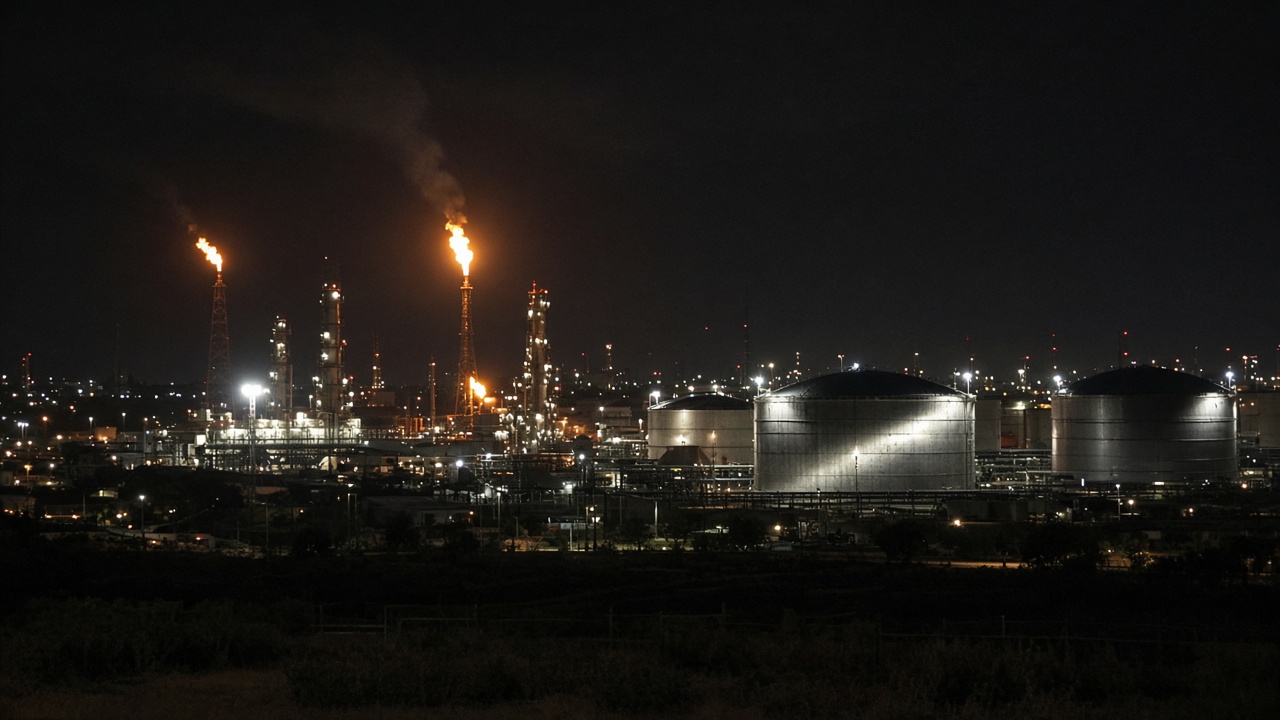
President Volodymyr Zelenskiy said Ukraine will intensify strikes on Russian oil refineries in response to a broader Russian aerial campaign against Ukrainian cities, telling Reuters on Friday that Moscow is trying to pressure civilians to flee Kyiv but that Kyiv will not mirror attacks on non-military targets.
Speaking in English after a week of combined drone and missile salvos, Zelenskiy framed refineries as the revenue engine behind Russia's winter bombardment of power, transport and communications assets. Ukrainian officials have warned for months that Russia is stockpiling ballistic missiles ahead of another campaign against the grid; the latest shift, they say, adds river crossings and downtown infrastructure to the target set in ways that had been rare earlier in the war.
Moscow widens the target map
Over the past seven days, Russian forces have repeatedly struck energy and telecom installations, road and rail links, and—for the first time in this phase of the conflict—bridges across the Dnipro that connect eastern and western Kyiv, according to Ukrainian authorities and Reuters reporting from the capital. Kyiv Mayor Vitali Klitschko said a strike damaged the road deck on a crossing used daily by commuters, forcing emergency repairs while air-defence units continued to intercept Shahed-type drones overnight.
Russian officials have not detailed every aim point, but Ukrainian commanders describe the pattern as an attempt to compound blackout risks before temperatures fall. Last winter's barrages left millions without heat for stretches; Zelenskiy said Putin's government is now signalling it will treat urban mobility and connectivity as military objectives even when the immediate blast radius sits in residential districts.
Kyiv's counter-strike doctrine
Zelenskiy told Reuters Ukraine must answer attacks on its energy system by hitting Russia's energy exports, starting with refineries. "We have to respond in any way we can," he said. "With their attacks on our energy, we have to respond on their energy. First of all, oil refiners: what gives money to them for this war." He added that Ukrainian planners would draw a line at indiscriminate strikes on Russian apartment blocks or schools.
The pledge aligns with a long-running Ukrainian strategy of long-range drone and missile raids on depots and processing plants deep inside Russia, operations that Moscow casts as terrorism while Kyiv describes them as lawful responses to invasion. Western partners have at times urged caution when fires threaten global fuel markets; Zelenskiy's remarks this week suggest he sees domestic political pressure to show that Russian escalations carry a price in export earnings.
What changes before winter
Ukrainian engineers are racing to harden substations and restore generation knocked out in September, while diplomats continue separate tracks on security guarantees and reconstruction funding. None of that work pauses the exchange of fire: Russia's defence ministry said its forces destroyed Ukrainian drone launch sites, a claim Kyiv routinely disputes.
For households on both sides of the front, the immediate question is whether refinery hits slow Russian sortie rates or simply harden Kremlin rhetoric. Zelenskiy's interview does not specify which plants are next on the list, but it makes clear that as long as Moscow treats Kyiv's bridges and wires as fair targets, Ukraine will treat Russia's fuel cash flow the same way—while insisting, at least in public, that civilians remain off-limits.