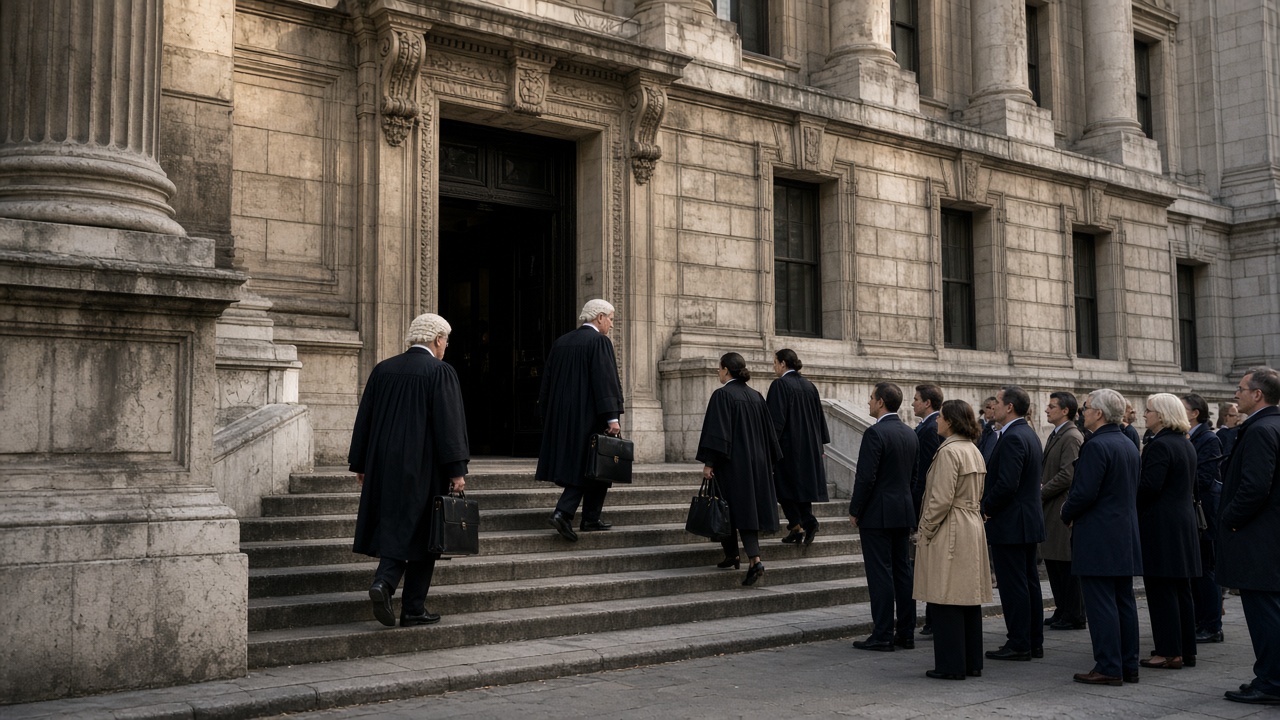
Justice Secretary Alex Norris scrapped Labour’s plan to expand judge-only trials in England and Wales’s Crown Courts, conceding on Saturday that the government had heard the “strength of feeling” against curbing jury service in serious cases. The retreat is a political win for criminal-law campaigners and Conservative opponents, but Norris said other court reforms designed to cut record backlogs would still move forward—including changes that barristers warn will shift thousands of jury trials into already strained magistrates’ courts.
What Norris dropped
The abandoned proposal would have allowed judges alone to decide less serious Crown Court offences carrying sentences of up to three years, part of a package former Justice Secretary David Lammy unveiled after a major review of court delays. Norris told broadcasters and party colleagues that expanding judge-only trials in the Crown Court was no longer on the table, allowing the Ministry of Justice to focus earlier on measures it believes can clear waiting lists without touching the constitutional role of juries in the most serious cases.
Shadow Justice Secretary Nick Timothy called the reversal a “major victory” for defenders of trial by jury and said Conservatives had led the parliamentary fight against the original plan. Criminal Bar Association chair Andrew Thomas KC welcomed the U-turn, saying “justice needs juries,” while warning that remaining proposals could still hollow out jury participation by other routes.
What stays in the package
Norris made clear that the government is not walking away from broader efficiency drives. Ministers still intend to strip defendants of the right to elect trial in the Crown Court for certain offences and to pair that change with expanded sentencing powers for magistrates, potentially up to two years for individual crimes. The CBA estimates those moves could divert roughly 25,000 cases a year—including about 5,500 jury trials—from the Crown Court into magistrates’ courts that already face their own backlog peaks.
Thomas described that combination as a “car crash” waiting to happen, arguing magistrates lack the courtrooms, legal advisers, and time to absorb serious assault, sexual offence, and child-abuse cases without compromising standards. Magistrates’ Association leaders have echoed concerns about resources even as they support faster justice for lower-level crime.
Why the backlog still matters
Court delays worsened after the COVID-19 pandemic and have become a touchstone for victims’ groups and police chiefs who say cases take years to reach verdicts. Norris insisted Labour would still “bring down the backlog and deliver swifter justice,” framing the judge-only retreat as a way to start implementation sooner on less controversial elements. Downing Street has not set a fresh timetable for legislation, but officials expect a revised bill or amendments to surface in the coming parliamentary session.
Prime Minister Andy Burnham’s government inherited the jury proposals from the Starmer-era justice team; Saturday’s shift is the most visible break yet between the new administration and Lammy’s court blueprint. Burnham himself has not spoken publicly since Norris’s announcement, but allies say he backed the justice secretary after private soundings with backbenchers who feared a constitutional fight while the government is managing security crises including the RAF Fairford investigation.
What happens next
Bar associations say they will scrutinize any revived legislation line by line, particularly provisions on magistrates’ sentencing and defendant election rights. Victims’ commissioners are pressing for guaranteed timelines rather than structural changes alone. For defendants and witnesses already waiting on Crown Court dates, Norris’s U-turn does not by itself free a slot tomorrow—but it removes one of the most politically radioactive elements from a package that still aims to reshape how thousands of criminal cases are heard across England and Wales.