The Central Bureau of Investigation is preparing to file its second and final charge sheet in the NEET-UG 2026 paper leak case within a week, closing a probe that triggered nationwide student protests and the resignation of a Union education minister.
Officers familiar with the inquiry told Hindustan Times that the concluding document will again centre on thirteen accused — including three National Testing Agency-appointed subject experts — while stopping short of implicating NTA leadership or other central government officials. The bureau said it conducted a full trace of how guess papers circulated but found no evidence that agency staff coordinated the breach, according to those officers.
How the leak unraveled admissions season
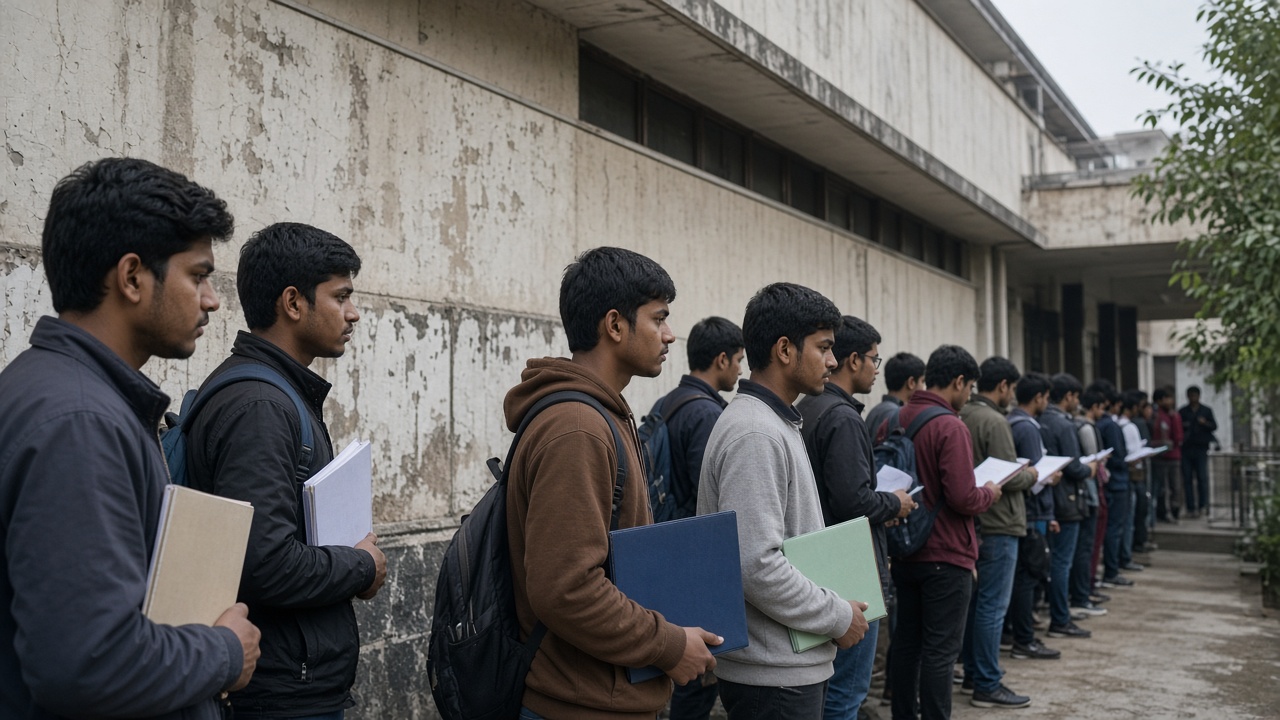
NEET-UG, the gateway exam for undergraduate medical seats, was held on 3 May 2026. Within days, analysts noticed more than a hundred questions overlapped with a commercial “guess paper” compiled by coaching centres. NTA cancelled the test on 12 May, forcing a re-examination and compressing counselling timelines for millions of aspirants.
Street demonstrations — including youth-led rallies under the “Cockroach Janata Party” banner — pressured Parliament and eventually contributed to then-education minister Dharmendra Pradhan stepping down. The political aftershocks continue as parties debate whether the testing agency’s governance model can survive another admissions cycle without structural reform.
What the first charge sheet already alleged
The CBI’s initial filing on 28 July named thirteen people, among them botany-zoology expert Manisha Gurunath Mandhare, chemistry expert Prahlad Vithalrao Kulkarni and physics expert Manisha Sanjay Havaldar, all engaged by NTA as item writers or reviewers. Prosecutors accused the network of leaking items to coaching hubs that repackaged them as prediction sets.
Forensic accountants and digital examiners joined the second-phase investigation after the Supreme Court pushed for a thorough accounting of temple-donation diversion cases in unrelated proceedings but kept pressure on authorities to secure the medical entrance pipeline. Investigators said the upcoming charge sheet will elaborate forensic matches between seized devices and the guess-paper compilers.
Why no NTA officials face charges
CBI officers told the Hindustan Times that every NTA employee with access to live papers was scrutinised, including server administrators and logistics contractors, but that digital trails pointed to the expert-coaching nexus rather than a headquarters conspiracy. That conclusion will disappoint opposition MPs who argued cancellation proved systemic rot.
NTA has meanwhile promised tighter item-bank rotation and physical custody rules for 2027, though details remain in consultation with the health and education ministries. Private coaching chains — some of which marketed the guess papers on social media — face parallel income-tax and state police inquiries that are not part of the federal charge sheet.
Students and universities await closure
Medical colleges that began classes for the delayed 2026 batch want the criminal chapter closed so accreditation visits proceed without litigation clouds. Student unions say accountability must extend beyond thirteen foot soldiers to the supervisors who signed off on expert appointments.
When the final charge sheet lands in a special court, judges will decide whether bail conditions for accused coaches tighten and whether expert witnesses can be compelled to testify about how draft questions left secure rooms. Until then, aspirants retaking mock tests this autumn will be watching one number: whether prosecutors add any new names — or formally close the door on NTA headquarters.