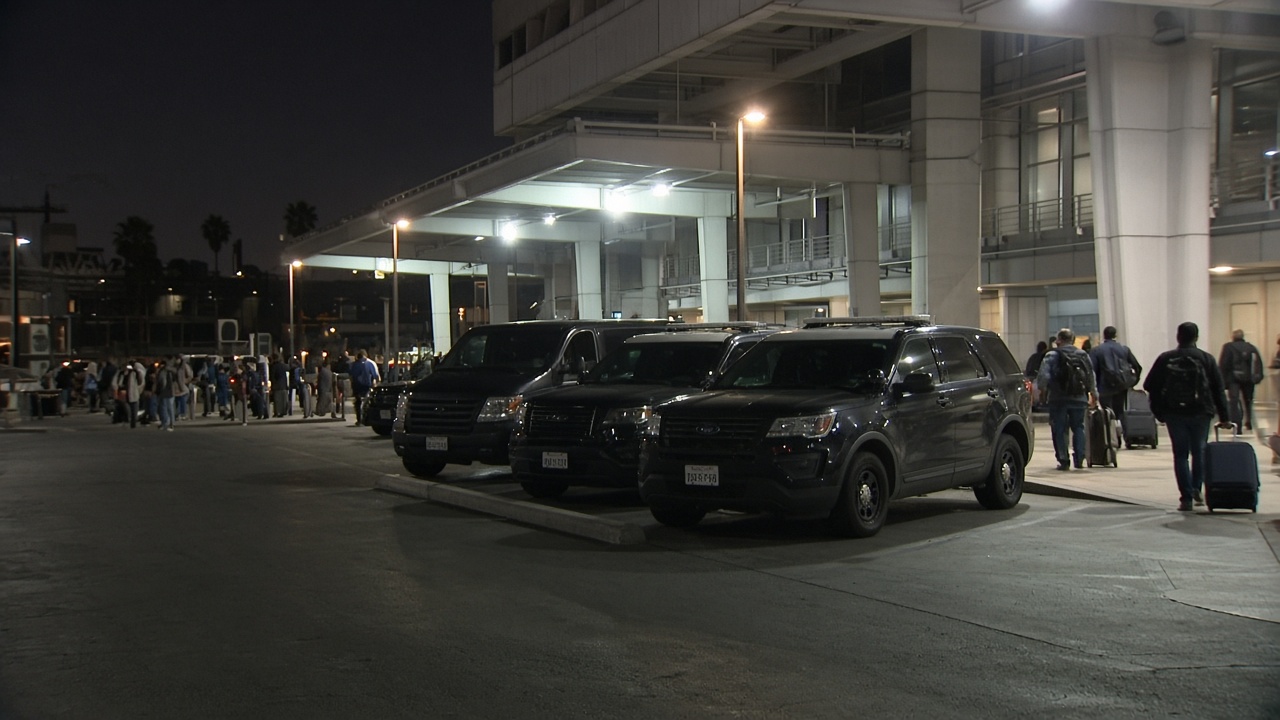
Federal agents arrested Wanying “Heather” Zhang at Los Angeles International Airport on Sunday as she prepared to board a flight to Shanghai, charging her with acting as an unregistered agent of the Chinese government. A criminal complaint unsealed in Los Angeles alleges Zhang and an accomplice surveilled the suburban Seattle home of Ting-Yu Lai, the son of Taiwan President Lai Ching-te, photographing the family and relaying vehicle registration numbers to contacts she treated as Ministry of State Security handlers.
What the FBI affidavit describes
According to the complaint cited by CBS News and other U.S. outlets, FBI Special Agent Kevin Holt wrote that information about the homes and cars of senior Taiwanese officials’ relatives could give Beijing coercive pressure over Taipei’s leadership during a potential conflict. Zhang, 34, worked as a realtor in Irvine, California, and is accused of coordinating with a man identified only as “Individual 1.”
The pair allegedly flew from Las Vegas to Seattle on 1 September 2025, rented a black Nissan Rogue and drove to the target residence. Neighbourhood security-camera stills included in the court filing purportedly show the two “appearing to film” Ting-Yu Lai, his wife Hsiao Chen and their child as they arrived home that evening.
Text messages quoted in the affidavit have Zhang telling a contact she “saw him,” describing a “young male,” and stating she was “videorecording,” followed by two licence-plate numbers. Investigators say some communications occurred on WeChat, a platform Taiwanese security officials routinely warn diaspora families to treat as vulnerable to PRC pressure.
Links to Taiwan's leadership
Ting-Yu Lai lives in the United States as an engineer; Taiwanese media have described him as working in the medical-technology sector and raising a young family far from Taipei’s security bubble. Because President Lai’s immediate relatives remain mostly in Taiwan under heavy protection, U.S.-based children of senior officials have long been considered softer targets for intelligence services seeking coercive pressure.
Taiwan’s National Security Bureau and Ministry of Foreign Affairs had not published a detailed statement by early Monday Taipei time, but any confirmed targeting of the president’s son would likely trigger demarches through the American Institute in Taiwan and public warnings to overseas Taiwanese communities.
Recruitment narrative in the complaint
Holt’s affidavit alleges Zhang met a Chinese government official in Changsha during a June 2025 trip, booking a private room where she received surveillance instructions. The filing portrays a classic recruitment arc: a diaspora professional introduced through academic networks, tasked with low-signature collection abroad, then exfiltrated before U.S. counterintelligence could map the network.
Separate Justice Department charges announced earlier against other PRC nationals accused of acting as MSS agents show Washington treating unregistered foreign-agent cases as a priority, even when individual operations appear small. Zhang’s arrest at the departure gate suggests agents feared loss of evidence if she reached mainland jurisdiction.
Cross-strait context
The case lands one week after President Lai returned from travel that kept cross-strait rhetoric elevated, and as U.S. policy toward Taiwan faces renewed scrutiny following President Donald Trump’s summit with Chinese leader Xi Jinping. Beijing continues to claim Taiwan as its territory; Taipei rejects sovereignty talks and leans on U.S. intelligence sharing to detect influence and sabotage campaigns.
For Taiwan’s domestic audience, the allegations reinforce warnings that family members abroad should vary routines and report stalking to local police, not only to Taipei liaison offices. Whether U.S. prosecutors expand charges to additional handlers will signal how deep the network ran.
What happens next
Zhang will make initial appearances in federal court in California, where magistrates typically address detention and evidence preservation. Taiwanese investigators may request Mutual Legal Assistance Treaty channels to compare plate numbers and WeChat metadata with databases held in Taipei.
Until those filings become public, Sunday’s arrest stands as a rare U.S. court document naming a sitting Taiwanese president’s son as the focus of an alleged PRC intelligence operation—a development that will shadow both alliance consultations in Washington and campaign security planning in Taipei.