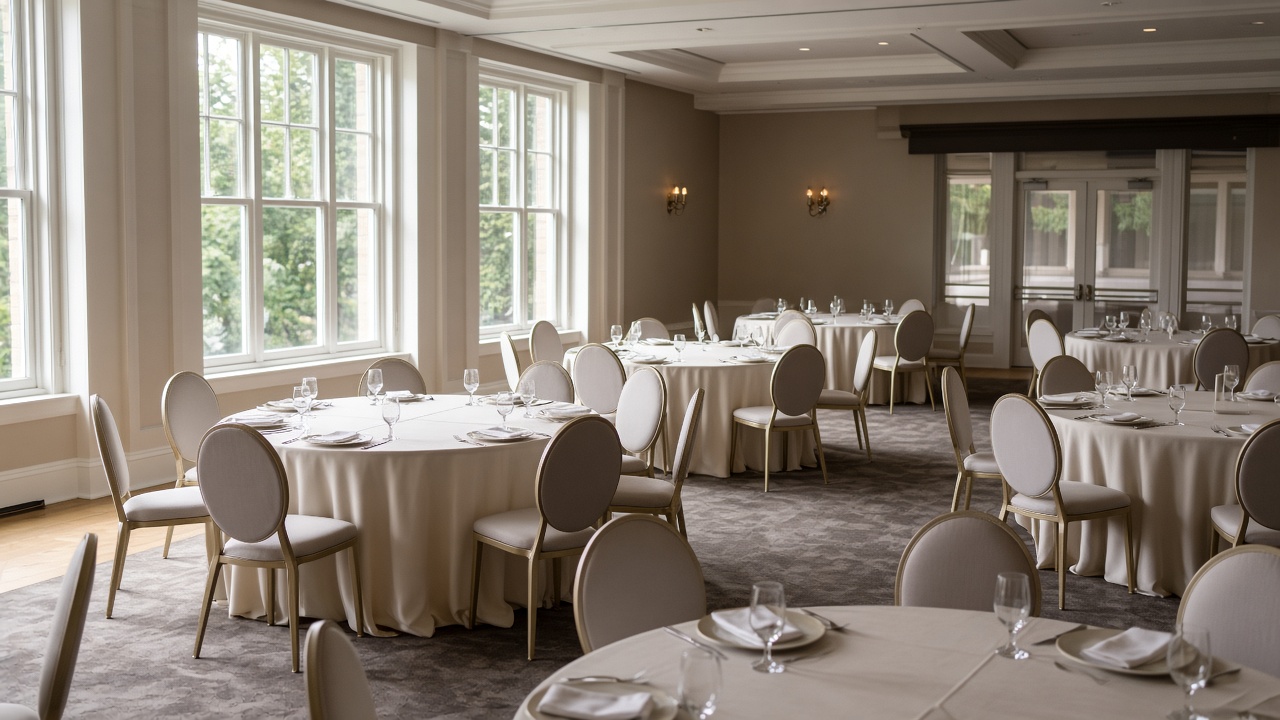
Gyeonggi provincial epidemiologists ordered a Yangpyeong pension to close its banquet kitchen Sunday after 62 wedding guests developed vomiting and diarrhea within 18 hours of a Saturday reception. Stool samples sequenced as norovirus genotype GII, and inspectors zeroed in on chilled oyster platters served without documented cold-chain logs—a lapse the operator acknowledged after initial denials.
Outbreak timeline
The couple’s ceremony ended around 8 p.m. Saturday; by 2 a.m. Sunday, ambulance calls spiked from guests staying overnight at the lodge. Twelve people required intravenous fluids at a nearby hospital, though none stayed beyond observation. KDCA teams interviewed catering staff and seized remaining seafood for toxin assays.
Health officials listed 140 close contacts, advising self-isolation until 48 hours after symptoms cease. Wedding planners canceled two upcoming events at the venue while pipes and surfaces underwent hyperchlorination.
Regulatory gaps
Pension buffets often operate under lighter licensing than urban restaurants, relying on seasonal staff during peak wedding season. Inspectors found a residential-style refrigerator holding oysters above 10 degrees Celsius for more than an hour during prep. The operator lacked HACCP certification required for larger banquet halls in metropolitan areas—a rule Gyeonggi may extend after this cluster.
Public guidance
KDCA reminded holiday travelers that norovirus spreads through shared bathrooms and buffet tongs, urging hand washing and caution with raw shellfish. Pharmacies in Yangpyeong reported electrolyte solution sellouts Sunday afternoon. Social media posts from guests documented ruined honeymoons; the pension owner posted an apology video promising compensation talks mediated by consumer agencies.
Broader stakes
Post-Chuseok weeks often see foodborne clusters as catering volume jumps. Officials will audit other pension kitchens before peak autumn foliage weddings. For the Yangpyeong couple, the outbreak overshadowed vows—a reminder that rural hospitality venues face the same pathogen risks as city hotels, often with fewer inspectors on weekend shifts.
Supplier trace
MFDS investigators tracked oysters to a Gangneung wholesaler whose delivery truck lacked temperature loggers. The wholesaler’s license faces suspension pending hearing. Other wedding caterers in Yangpyeong voluntarily paused raw shellfish menus Sunday, switching to cooked platters despite margin hits.
Hospital capacity
Regional emergency rooms added fast-track gastro beds after five simultaneous arrivals from the lodge. KDCA said nationwide norovirus surveillance remains below 2024 peaks, but wedding season keeps epidemiologists wary of copycat lapses at pension buffets.
Compensation talks
The pension owner offered to refund venue fees and cover medical co-pays for guests who submitted receipts by Oct. 10. Consumer dispute mediators scheduled a session Tuesday. Wedding insurers said policies rarely cover foodborne illness unless riders were purchased—an expensive lesson for couples who skipped event insurance to save on Gaecheonjeol travel costs.
Local wedding planners circulated updated vendor checklists requiring temperature logs for shellfish, hoping to reassure October brides. Yangpyeong county said it would publish inspection results online weekly through year-end, a transparency push modeled after Seoul’s restaurant grading system but adapted for rural lodges that host only a few events per month.