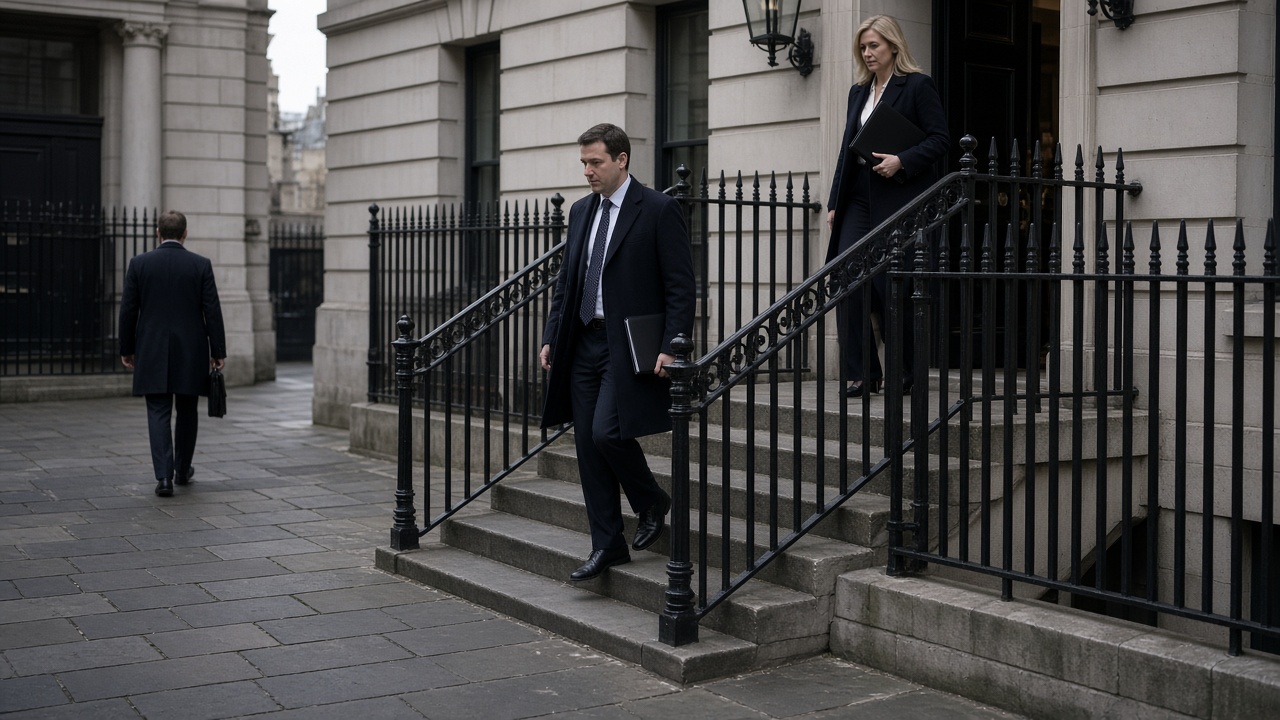
Chancellor John Healey has summoned the chief executives of NatWest, Barclays and Lloyds Banking Group to a closed-door summit at 11 Downing Street on Tuesday, according to Treasury officials, as the government tries to calm City nerves before Andy Burnham's 28 October Budget without committing to the billion-pound bank levy that senior ministers now openly oppose.
The meeting will be the first in-person gathering between Healey and the trio since he entered the Treasury, and it lands after The Telegraph reported that multiple cabinet ministers warned a windfall tax on lenders would send the wrong signal to investors already rattled by gilt volatility and oil-driven inflation. JP Morgan chief executive Jamie Dimon told reporters earlier this year that further UK bank taxes could have "adverse consequences" for staffing, a message Treasury aides say Healey intends to address head-on rather than dismiss as lobbying.
Why lenders are on edge
UK bank shares have absorbed much of the bond-market whiplash that hit global equities in late September. The FTSE 100 index of blue chips finished Friday at 10,461.95 points, up 0.32% on the day but down 2.2% for the week, while the lender-heavy basket tracked by several sell-side desks posted its steepest weekly decline since April. NatWest and Barclays both draw the majority of their equity value from UK retail and commercial banking, meaning any levy that hits return on equity feeds straight into dividend and buyback conversations with shareholders.
UK Finance, the industry trade body, reiterated over the weekend that British banks already pay among the highest effective tax rates in the G7 and urged Healey not to fund spending through another sector-specific charge. Treasury sources counter that the summit is part of "regular engagement" and that no decision has been taken, but they acknowledge the Chancellor needs private-sector growth forecasts to underpin the Office for Budget Responsibility's next round of numbers.
What Tuesday's agenda looks like
Officials expect the conversation to cover three items: the pace of mortgage repricing as fixed-rate deals roll off, the funding cost of small-business lending in regions where local authorities are trying to attract manufacturing investment, and the international competitiveness of the UK's wholesale banking rules after the Financial Conduct Authority's consumer-duty rollout. None of those topics requires a new tax, bankers argue, but each becomes harder if lenders are asked to prefund a political gap.
Healey's allies in cabinet say the Chancellor is "fully focused" on giving households breathing space while supporting jobs outside London. That framing leaves little room for a levy that would show up instantly in analyst models. For the CEOs walking into Downing Street, the ask is simpler: publish the assumptions behind any bank-tax scenario before markets trade on leaks, not after.
Burnham's government inherited a criminal-justice backlog and an energy-price shock; it does not need a capital-flight headline the week before party conference season ends. Tuesday's summit is Healey's chance to prove the Treasury can talk to the Square Mile without writing the City's bonus pools into the Red Book.
Insiders expect Healey to repeat that bank taxation remains under review without confirming or denying a levy, a formulation designed to keep bond vigilantes guessing while giving CEOs room to argue their case. Investors will parse every syllable for hints about bank surcharge rates last debated during the financial crisis era.