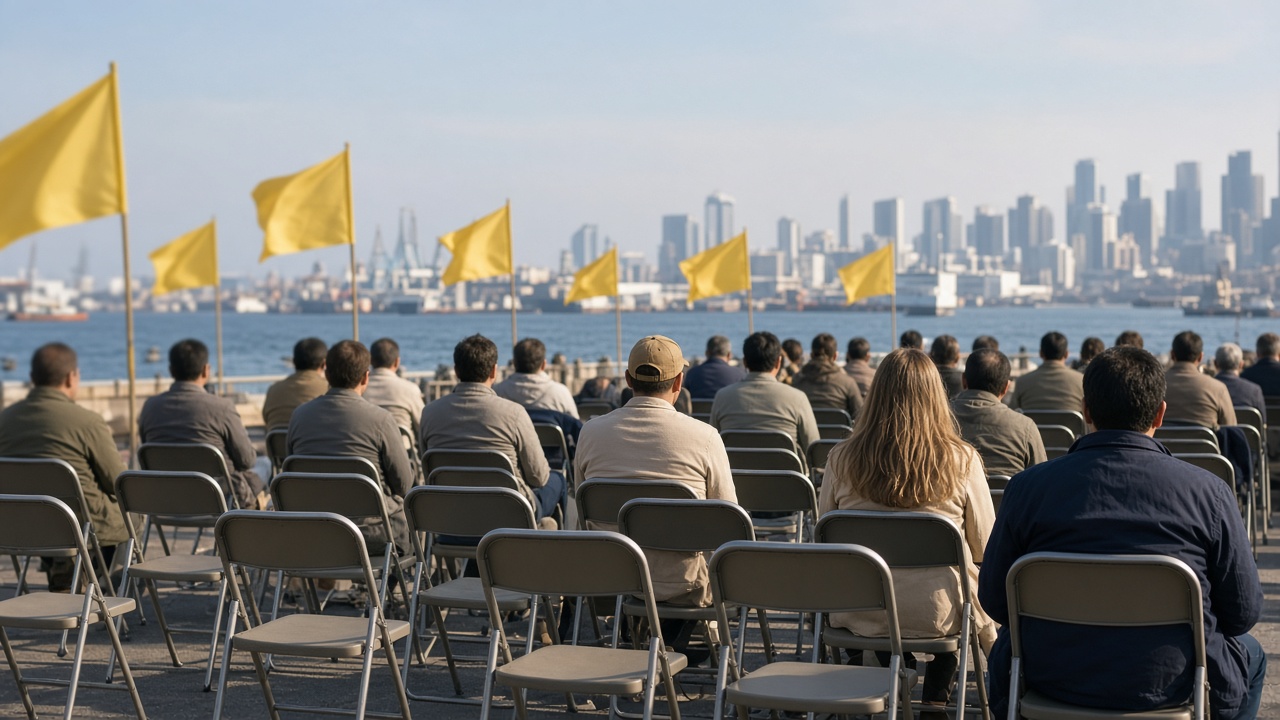
Democratic Progressive Party Kaohsiung mayoral candidate Lai Jui-lung drew Vice President Hsiao Bi-khim to a Presbyterian church prayer event Saturday while Kuomintang rival Ko Chih-en canvassed a traditional market with Taiwan People's Party founder Ko Wen-je, escalating nine-in-one campaigning eight weeks before the Nov. 28 ballot, Focus Taiwan and Taipei Times dispatches said.
Kaohsiung's dual-legislator race
Lai, a former city government official, pledged humble service to working-class residents if elected in a stronghold President William Lai's party rarely loses. Ko Chih-en, also a sitting lawmaker, promised better market canopies after vendors complained about sun and rain damage at Gangshan stalls. The policy contrast is classic local politics—social infrastructure versus retail comfort—even as national media frame the contest as a 2028 bellwether.
Blue-white cooperation on display
Ko Wen-je criticized KMT strategy as overly defensive while still appearing with Ko Chih-en to chase city council seats. TPP candidate Lin Yu-kai joined the market walk, signaling that council coordination may outlast presidential-level tensions. Shu-Fen Wang's desk notes similar splits in New Taipei and Taichung, where mayoral contenders held launch events for allied councilors instead of debating cross-strait white papers.
What national figures avoided
President Lai stumped for Lai Jui-lung with Mayor Chen Chi-mai and former premier Su Tseng-chang, emphasizing party continuity. No speaker released new strait transit rules or defense procurement figures—local elections rarely do. New Taipei DPP mayoral candidate Su Chiao-hui pitched a sports-cultural center on the Taipei Detention Center site, another land-use story distant from Kaohsiung but sharing the same calendar pressure.
Voter mechanics
The Central Election Commission registered 19,695 candidates across Taiwan after the September filing window, including 11,051 seats voters will fill Nov. 28. Kaohsiung elects a mayor, councilors, and village chiefs in the same day, which means long ballots and coattail effects. First-time voters number roughly 600,000 nationwide, a cohort that met this weekend's events on social streams before they met party handbooks.
What changes after Saturday
Campaign offices will shift from biography videos to ward-level canvassing and policy forums on water, transit, and industrial land. National headlines will keep interpreting Kaohsiung as a proxy war; residents will measure burst pipes and bus headways. Politics desk readers should track council candidate lists—mayors cannot pass budgets alone.
Media buys
Both camps reserved October cable spots after the Mid-Autumn festival, shifting from social clips to longer policy ads on port logistics and flood control. Ad tracking firms said Kaohsiung inventory is tighter than in 2022 because Taipei mayoral races are not competing for the same slots.
Polling silence
No public poll with a post-registration sample dropped this weekend; strategists rely on ward canvass returns instead. That keeps volatility high for undecided voters who decide in the final fortnight.