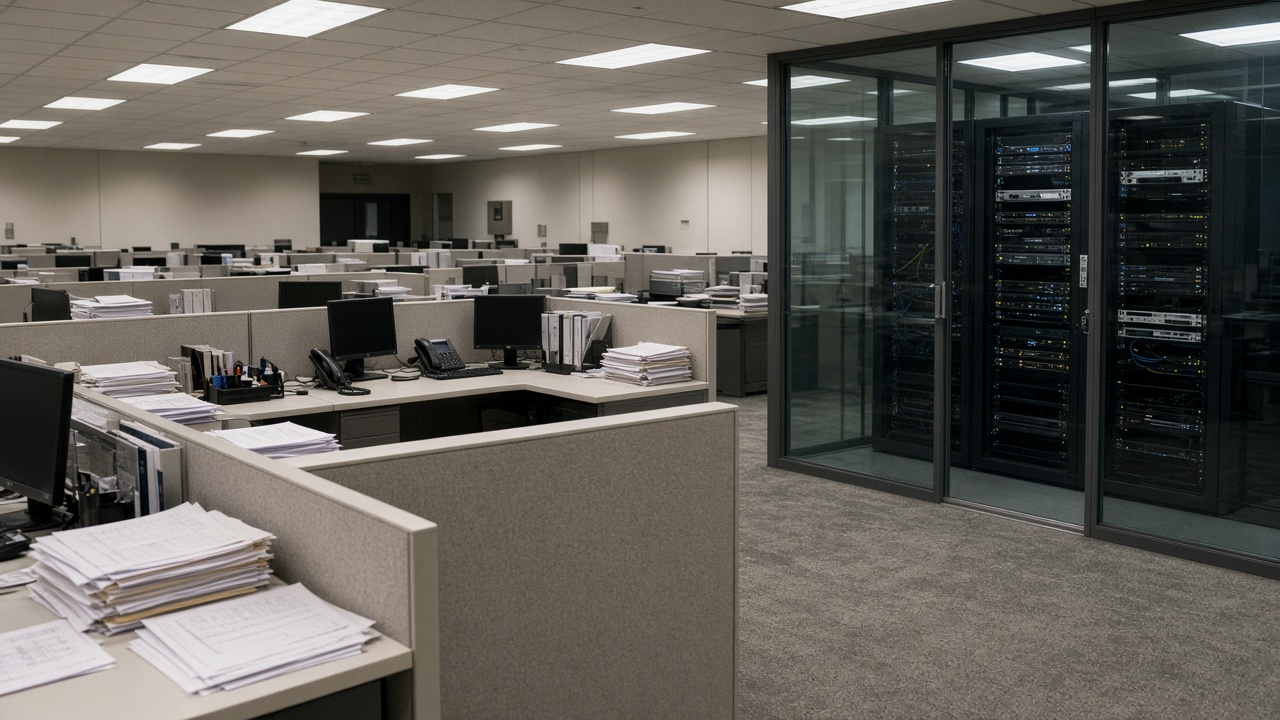
Naver Cloud’s Works division began shipping an on-premises copilot gateway to district offices in Gyeonggi and Jeolla, letting civil servants query HyperCLOVA-based assistants without routing citizen case notes through consumer chat apps. The appliance sits on municipal VLANs, redacts resident registration numbers before inference, and stores prompt logs for audit—an architecture local governments demanded after pilot programs exposed data-residency gaps in overseas large language models.
How the gateway works
Each two-rack-unit server bundles GPU inference, a policy engine, and connectors to legacy document management systems. Clerks type questions in Korean about welfare eligibility, building permits, or festival permits; the gateway retrieves indexed paragraphs from internal manuals and drafts replies clerks must approve before sending. Naver engineers said latency targets stay under three seconds for 2,000-token contexts, acceptable for counter service but not for emergency dispatch.
Unlike browser plugins that pipe text to U.S. APIs, the gateway blocks outbound internet from inference containers. Software updates arrive via signed packages reviewed by the Korea Local Government Information Agency. District IT chiefs in Suwon said the model helps new hires work through Byzantine subsidy rules without waiting for senior staff callbacks—a chronic bottleneck when Chuseok backlogs spill into October.
Privacy and procurement
The Personal Information Protection Commission warned municipalities this year against pasting resident complaints into free chatbots. Naver’s gateway applies automatic masking for phone numbers, addresses, and national ID patterns, then hashes clerk IDs into audit trails retained 180 days unless litigation requires longer holds. Procurement rules let counties lease appliances under three-year operating budgets rather than capital votes, speeding rollouts ahead of winter heating-assistance spikes.
Competitors including KT and Upstage pitch similar sovereign stacks; Naver leans on existing Works email and calendar installs in many offices. Officials in Jeonju said they chose Naver because clerks already authenticate via Works SSO, reducing password sprawl.
Use cases on the ground
Pilot clerks used the assistant to summarize changes in national childcare vouchers after August legislation, cutting call-center hold times during Gaecheonjeol travel week. Building-permit desks tested drafting checklist emails to contractors missing fire-safety drawings—a tedious task that previously ate senior reviewer hours. The gateway refuses legal conclusions, displaying banners that outputs are drafts requiring human sign-off, a safeguard PIPC reviewers requested.
Union representatives cautioned against using AI outputs in disciplinary records without human review. Naver agreed to disable performance metrics tied to raw token counts, focusing instead on resolved cases and corrected hallucination rates reported monthly.
Limits and risks
Small districts with aging fiber backhauls may struggle to host GPU racks; Naver offers a hosted sovereign zone alternative, though that shifts trust to Naver data centers rather than on-site iron. Model updates lag consumer HyperCLOVA releases by weeks while legal reviews run. Hallucinations still appear on obscure ordinances; clerks said they verify citations against PDF originals before mailing citizens.
Budget hawks note operating costs rival two entry-level civil servants annually per appliance. Proponents counter that overtime during subsidy surges costs more and that consistent answers reduce appeal hearings.
Expansion roadmap
Naver plans connectors to national tax portals by year-end, pending API agreements with the Home Tax service. Interior Ministry officials want standardized logging so auditors can compare districts—not to punish clerks, but to spot policy confusion when multiple cities misinterpret the same rule. If October heating applications proceed smoothly, more counties may sign leases before spring local elections flood offices with candidacy paperwork.
For Korea’s paper-heavy local government, the copilot gateway is less sci-fi than paperwork triage: keep citizen data inside municipal walls, let models summarize what clerks already have permission to read, and leave accountability with the human behind the counter.
Training and change management
Naver dispatched field trainers to each pilot county for two-week rotations, running tabletop exercises where clerks flag hallucinated legal citations. Districts that skipped training saw higher override rates in logs, prompting MOIS to make completion certificates mandatory before appliances go live. Labor unions requested paid overtime for after-hours model evaluations; Naver agreed to fund sessions without tying pay to automation quotas.
Accessibility advocates asked for screen-reader-friendly interfaces; Works teams promised keyboard shortcuts by November. Until then, clerks with visual impairments rely on paired colleagues—a gap PIPC monitors as part of inclusive government pledges.