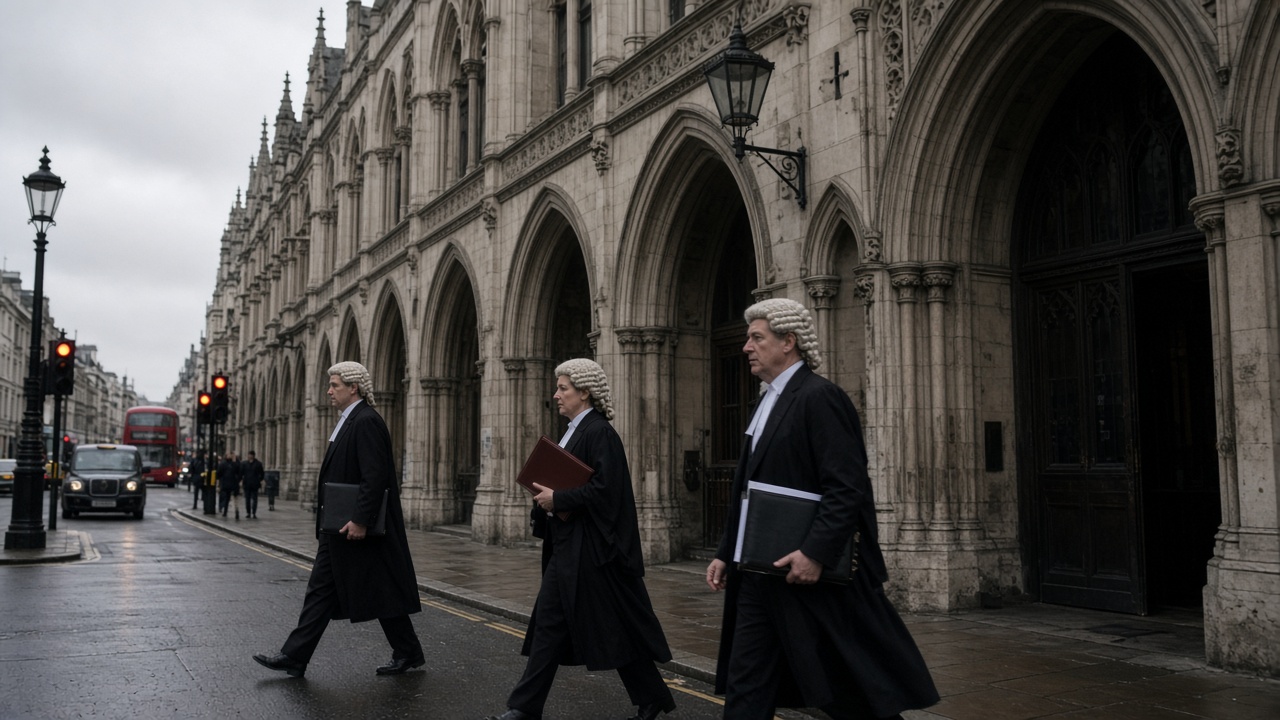
Justice Secretary Alex Norris scrapped plans to let more Crown Court defendants be tried by judges alone, reversing one of the most contested law-and-order proposals left from the previous Labour government’s court-reform package.
The retreat, announced Sunday, ends—for now—a push to route less serious offences that carry sentences below three years to bench trials rather than juries. Former Justice Secretary David Lammy had framed the idea as a way to chip away at record backlogs in England and Wales, but criminal barristers, solicitors and opposition MPs argued it would erode a centuries-old safeguard.
What Norris changed course on
Norris said he still wants faster justice for victims waiting years for trials, yet conceded that expanding judge-only hearings had become a political and professional flashpoint. “I have heard the strength of feeling on the proposals for increasing the number of judge-alone trials in the Crown Court and have made the decision to change course,” he said in a statement carried by the BBC.
Prime Minister Andy Burnham’s administration inherited the backlog crisis along with prisons nearing capacity. Ministers have been hunting administrative fixes—digital evidence sharing, night courts in some cities, and tighter scheduling—that do not require legislation as contentious as jury curbs.
Reaction across Westminster
Shadow justice secretary Nick Timothy called the reversal “a major victory for everyone who fought to defend trial by jury,” adding that Conservatives had led the parliamentary resistance. The Criminal Bar Association and Law Society welcomed the move, saying jurors remain essential for community legitimacy in serious prosecutions involving complex financial cases, sexual offences and violent offences even when charges fall below the old three-year threshold.
Downing Street aides insisted the decision was Norris’s to make and did not signal a wider retreat on Burnham’s justice agenda, which still includes faster deportation pathways for foreign-national offenders and expanded police powers in some urban districts. Still, the climbdown shows how tightly wound justice politics remain after a decade of funding cuts and pandemic delays.
Backlog numbers still loom
Ministry of Justice statistics released in August showed more than 73,000 cases waiting in the Crown Court, with some complex financial trials scheduled into 2028. Norris said he would redirect effort toward “maximising efficiencies” in case management and early guilty pleas, but offered no new target date for returning to pre-pandemic waiting times.
Judges have privately warned that abandoning judge-only expansion without alternative capacity measures could simply push delays onto magistrates’ courts, which already struggle with heavy youth court caseloads. Court staff unions, meanwhile, say pay disputes are driving experienced administrators to leave, slowing the very reforms ministers tout.
What happens next in Parliament
Legislation that would have embedded wider judge-only powers is expected to be amended before committee stage. Labour backbenchers who opposed the jury limits said they would watch closely for quieter attempts to shrink jury roles through secondary regulations.
For defendants and victims, the practical effect is continuity: most indictable offences will still land before a jury unless both sides agree otherwise or narrow statutory exceptions apply. The government must now prove it can shrink delays without touching that principle—a harder task, bar leaders say, but one they prefer to fighting in court over the right to twelve peers.