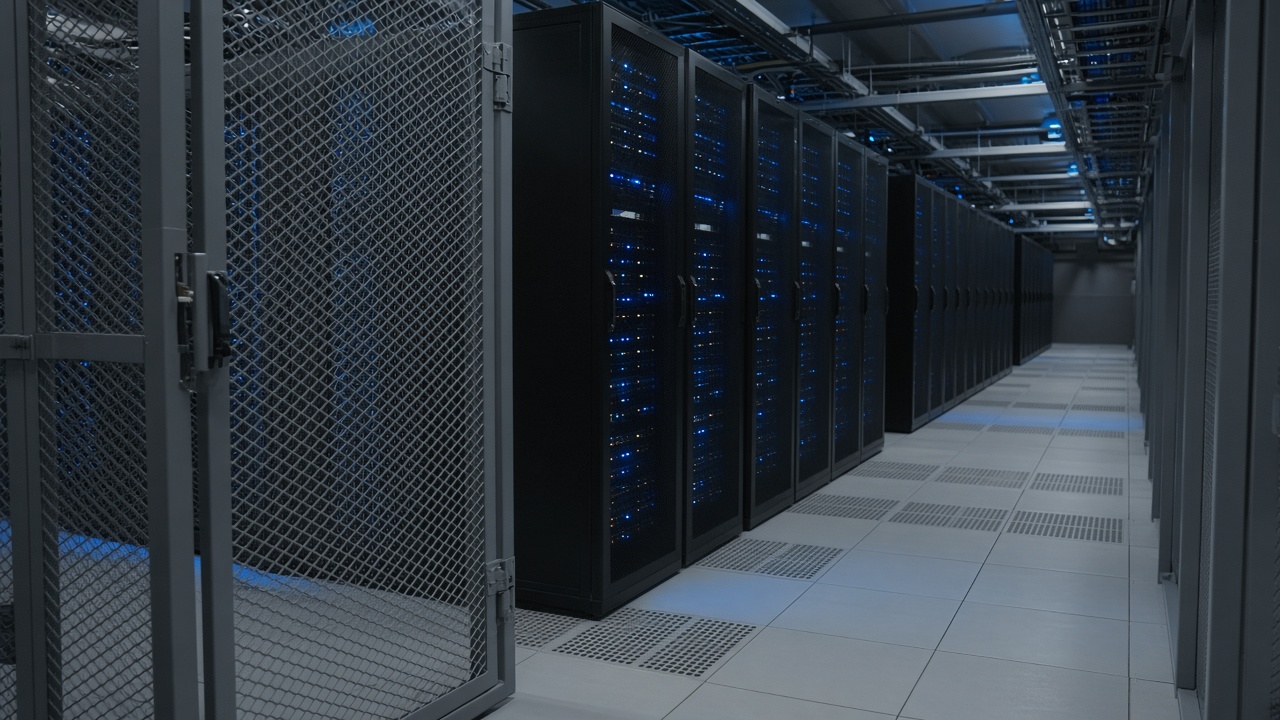
Samsung SDS activated a third immutable backup vault in its Gangnam finance zone Sunday, giving securities houses and regional banks a dedicated recovery site that air-gaps nightly snapshots from production clouds. The facility targets four-hour recovery objectives for trading middle-office databases and includes quarterly failover drills audited under Korea’s cloud-security framework for capital-markets IT.
What the vault adds
Unlike standard object storage, immutable tiers block overwrite commands for a fixed retention window, blunting ransomware that encrypts primary arrays and deletion scripts that hide in compromised admin accounts. Samsung SDS engineers said the Gangnam vault replicates asynchronously from Suwon and Pangyo hubs, with legal-hold tags compatible with Financial Supervisory Service electronic-record rules. Tenants receive cryptographic attestations that backup indices were not altered between snapshot and restore tests.
Early adopters include a mid-sized brokerage migrating off tape libraries that struggled during 2024 phishing incidents. Their CIO told InfoHandle that immutable copies let investigators mount read-only volumes for forensics without touching production clusters—a requirement FSS examiners emphasized after a series of fake invoice scams hit back-office staff.
Why Gangnam finance tenants care
Seoul’s southern finance belt hosts hundreds of asset managers, fintech APIs, and card-processor batch jobs that must stay available through rate decisions and earnings seasons. Downtime during Bank of Korea announcements or Samsung earnings can trigger regulatory inquiries even when markets remain open. Samsung SDS markets the vault as insurance against both cyber events and operator error, citing a mistaken storage policy change at an unnamed insurer last spring that would have been reversible had immutability been enabled.
Compliance hooks
KISA’s cloud-security evaluation added immutable backup controls to its 2026 checklist for institutions handling more than one million customer records. Samsung SDS bundled automated evidence exports—hash chains, restore logs, and privileged-access recordings—into a portal compliance officers can hand to auditors without granting them production keys. The Korea Exchange’s own disaster-recovery standards influenced recovery-time targets: four hours for non-trading systems, tighter windows for order-routing stacks that remain on separate bare-metal pairs.
Privacy lawyers noted that air-gapped copies still hold personal data, so retention must align with credit-information laws. Samsung SDS offers policy templates that purge expired snapshots while preserving litigation holds, reducing the risk that backup lakes become undeletable troves of national ID numbers.
Competitive field
KT Cloud and Naver Cloud pitch similar immutability features, often paired with sovereign encryption modules certified for government workloads. Foreign hyperscalers compete on scale but face data-residency reviews when securities algorithms touch customer positions. Samsung SDS leans on existing managed-service relationships with chaebol affiliates and their supplier webs, bundling vault access with SAP and Salesforce hosting contracts.
Smaller fintechs said pricing still favors enterprises; Samsung SDS introduced a tier for startups under 200 employees with shorter retention and shared drill slots. Venture capitalists backing payment apps view immutable backups as table stakes before Series B audits.
Implementation realities
Migration teams must map dependencies—batch schedulers, market-data feeds, and identity providers—that fail even when databases restore cleanly. Samsung SDS assigned solution architects to three pilot tenants this quarter to document runbooks in Korean and English. Network teams must open dedicated replication VLANs; misconfigured firewalls caused two delayed go-lives in August, according to integrators who asked not to be named.
Immutable storage costs more per terabyte than mutable archives, but finance CIOs said the premium beats negotiating with ransomware actors. Insurance underwriters began asking whether immutability is enabled before quoting cyber policies—a trend reinsurers imported from U.S. Lloyd’s forms.
Outlook
Samsung SDS plans a Busan replica for disaster diversity away from capital-region earthquakes, though timelines depend on submarine cable capacity. Regulators may eventually mandate immutability for all payment processors, not just securities firms. For Gangnam tenants waking after the holiday, the vault opening is a quiet infrastructure story with loud implications: when the next phishing wave hits, recovery depends on copies attackers cannot encrypt or delete on a Friday afternoon.