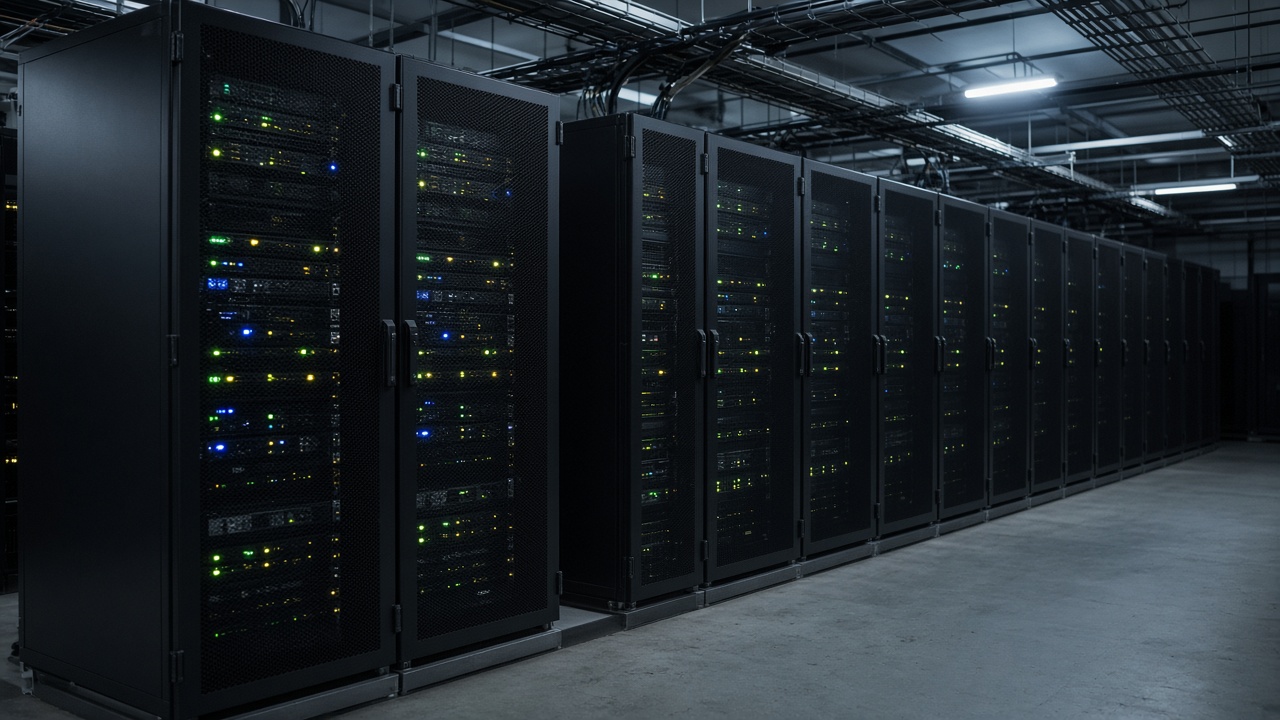
Singtel’s RE:AI cloud business on Wednesday launched Token-as-a-Service, a commercial wrapper that lets enterprises buy GPU inference capacity in token units rather than provisioning whole servers — a pitch aimed at finance, logistics and public-sector teams that need burst AI capacity without capital budgets for on-premise clusters.
The product sits on RE:AI’s sovereign infrastructure, the same stack Singtel expanded this week for Home Team Science and Technology Agency workloads when HTX opened its humanoid robotics training centre. RE:AI already supplies high-performance GPUs to government prototyping; Token-as-a-Service extends a similar metered model to private buyers that want invoices tied to model usage.
Why billing shape matters
Singapore enterprises have spent the past two years piloting large language models behind firewalls. The bottleneck has shifted from model access to cost control: chief financial officers see spiky GPU bills when marketing teams run open-ended chat experiments. Token-based pricing mirrors how frontier model vendors charge, but RE:AI is positioning the bundle as including local data residency, support and integration with Singtel network services.
For Singtel Group, the launch supports the narrative that Digital InfraCo is more than fibre and towers. RE:AI competes with global hyperscalers that offer Singapore regions, and with local colocation players pitching bare-metal GPU racks. Metered tokens are a way to land smaller accounts that might otherwise rent capacity month to month without visibility into per-project spend.
Public-sector spillover
HTX’s partnership with Singtel already covers network slicing for Home Team officers and AI infrastructure for rapid prototyping. Edwin Tong, Minister for Law and Second Minister for Home Affairs, highlighted GB300-class hardware at the robotics centre launch on 1 October. While Token-as-a-Service is an enterprise SKU, the same underlying capacity pool feeds government trials that must stay onshore.
Listed Singtel shares trade as a telco yield play; investors will watch whether RE:AI revenue moves the needle in segment disclosures. For now, the commercial signal is simpler: Singapore’s largest telco is productising AI compute the way it once productised mobile data — by the unit — as demand from banks, insurers and agencies accelerates into the year-end budgeting season.
Competitive field in Singapore AI hosting
Global cloud vendors already operate Singapore regions with GPU instances billed hourly. RE:AI’s token packaging is an attempt to meet procurement teams that prefer committed budgets tied to user seats or API calls. Local banks subject to MAS technology risk management guidelines often need attestations on data location; Singtel markets sovereign hosting as a differentiator even when underlying chips are the same NVIDIA generations available elsewhere.
Enterprise buyers should still compare egress fees, model licensing and fine-tuning support. Token pricing can obscure idle capacity if developers leave test endpoints running. Singtel has not published list prices in the initial release; sales are expected to run through account managers with volume discounts, mirroring how the group sells MPLS circuits.
For shareholders, RE:AI remains a small slice of group revenue, but Token-as-a-Service gives management a SKU to cite in investor briefings on digital infrastructure. The tie-in with HTX robotics training shows how public-sector demand can anchor utilization rates that private tenants later piggyback on — a classic telco playbook applied to AI factories.
Analysts covering Singtel note that capex on fibre and 5G is plateauing while AI infrastructure spend rises globally. Token-as-a-Service lets the group monetize GPUs without booking every server as a long-term lease to a single tenant. Hybrid buyers may still want dedicated clusters for training while buying tokens for inference bursts — a split contract structure RE:AI sales teams are pitching to regional banks piloting document summarization.
Regulators have not issued separate guidance on tokenized AI billing, but MAS expects boards to oversee model risk. Enterprises signing RE:AI contracts should map data residency clauses to their own outsourcing policies before feeding customer PII into fine-tuning jobs.
Enterprise procurement cycles run through year-end; RE:AI sales teams will know by the January results whether token billing converted pilots into recurring contracts.
RE:AI uptake will appear in segment commentary when Singtel reports quarterly earnings; until then Token-as-a-Service is the public signal that GPU sales are moving from bespoke deals to catalogue pricing.