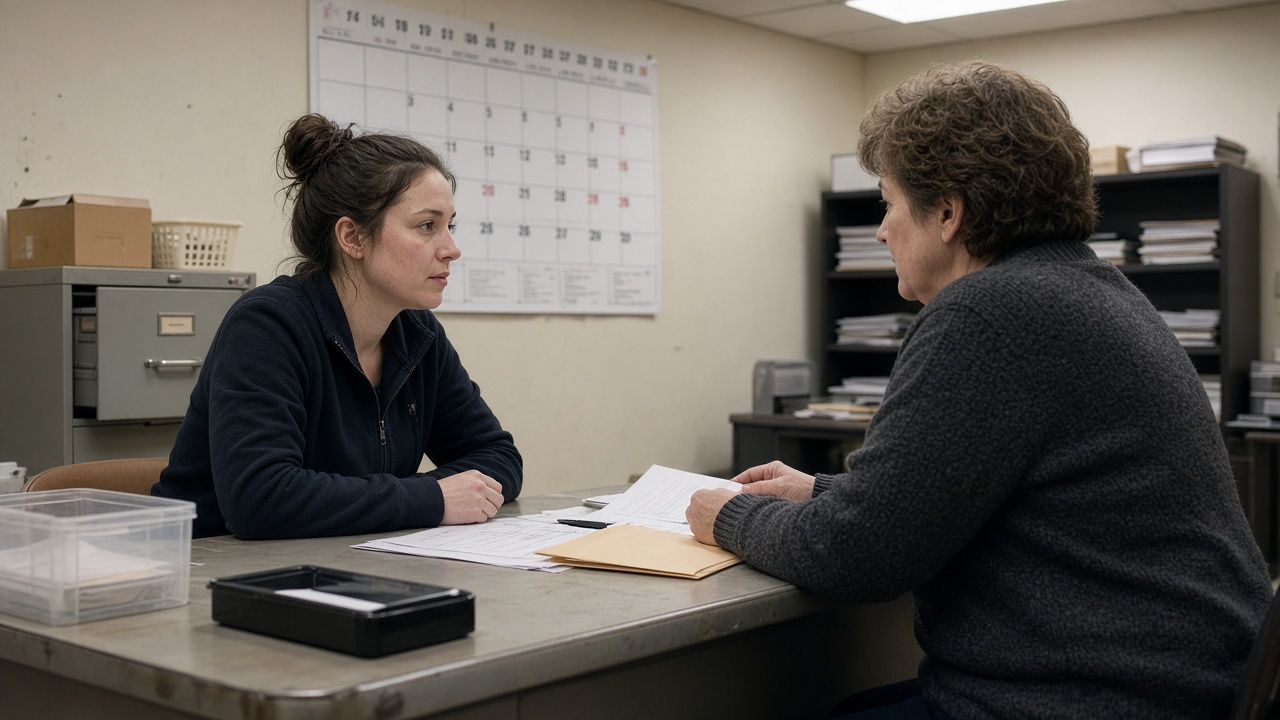
Survivors of domestic violence in England and Wales said they felt “completely let down” as the government’s early-release scheme began freeing prisoners serving short sentences, with about 700 people walking out on Thursday in the first of ten planned tranches. Charities told the BBC that some victims learned only days before that partners jailed for controlling or violent behaviour could be back in the same towns within weeks.
How the October tranches work
The Ministry of Justice introduced the programme to ease chronic overcrowding in jails that ministers say left the estate “on the brink of collapse.” Under the timetable published this autumn, roughly 4,500 prisoners will be released in waves from 1 October through June 2027. Thursday’s group were serving sentences of up to 19 months; later rounds will include people on longer fixed terms, with the most serious sexual and violent offenders scheduled toward the end of the sequence.
Justice Secretary Alex Norris has described the package as the “toughest ever range of tools to control prison leavers,” pointing to new “restriction zones” that can confine high-risk sexual and violent offenders to areas a few miles wide and keep them away from named victims. Police leaders, however, warned that monitoring thousands of additional releases will stretch probation and neighbourhood teams already handling rising demand for domestic incident call-outs.
Voices from support services
The BBC interviewed several survivors who asked to use first names only. Kate, whose former partner received a sentence of less than a year for abuse-related offences, said she almost hoped he would reoffend so officials would see the policy as “wrong.” Another woman, given the pseudonym Anna, said she had moved house twice but still lived within the same borough and feared bumping into him at school gates or supermarkets.
Refuge, Women’s Aid and other groups said helpline traffic spiked in the days before the first releases. Advocates criticised the notice period given to victims’ liaison units, arguing that safety planning for relocation, school transfers and non-molestation orders needs more than a handful of working days when housing lists are already long.
Government response and political pressure
A Ministry of Justice spokesperson said restriction zones and electronic monitoring would be applied where risk assessments demanded it, and that the alternative—running out of cells for newly sentenced offenders—posed a greater danger to the public. Norris told broadcasters that victims’ anxiety was understandable but that failing to create headroom would have meant dangerous offenders could not be held at all.
Conservative shadow ministers said the scheme proved Labour had mismanaged prison capacity despite promises to build 14,000 new places. Victims’ commissioner offices in England and Wales said they would publish a rapid review of how notifications reached survivors in the first tranche, with initial findings expected before the second release date later in October.
What changes for police and councils
Chief constables in several force areas briefed local authorities on Friday about increased check-ins for released prisoners subject to licence conditions. Council housing officers in the Midlands and north of England reported urgent requests for temporary accommodation from survivors who could not stay with family. Probation unions said staff ratios would make it difficult to complete every pre-release risk interview before inmates left reception desks.
For survivors watching the calendar, the policy’s practical test will be whether restriction zones and tagging work in dense cities where a few miles still overlaps with schools and workplaces. The next tranche is due within weeks; support groups said they are preparing briefing packs for MPs whose constituencies saw large numbers of Thursday releases.