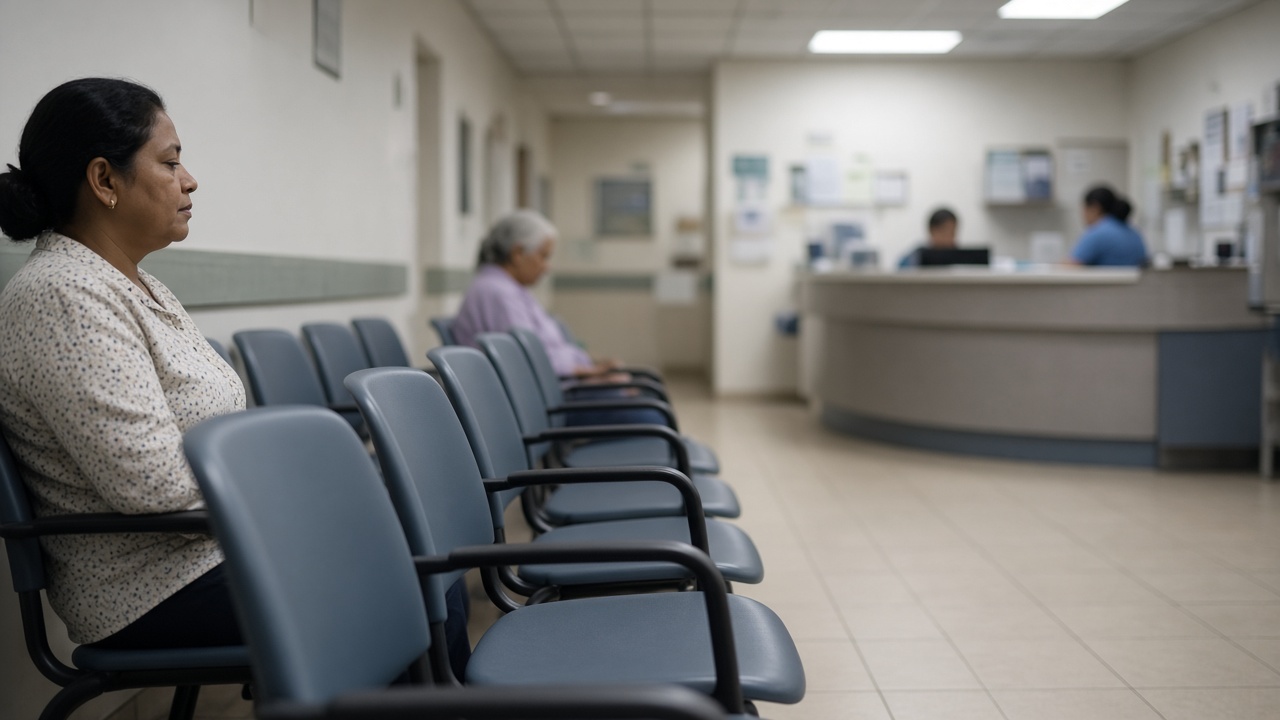
Ambulatory care centers reported roughly 12 percent more cough-related visits in the final week of September than in the mid-month baseline, according to a Ministry of Health and Welfare survey released as families returned from Gaecheonjeol travel. The uptick stayed below influenza emergency thresholds but prompted several municipal clinics in Gyeonggi and Busan to extend evening hours for nebulizer treatments and rapid antigen tests.
Surveillance picture
Officials distinguished the pattern from the sharper under-six influenza-like illness spike recorded earlier in September, which had fueled post-Chuseok contagion fears on social media. Adult and adolescent cough visits rose in tandem with rhinovirus and seasonal allergy overlap, clinicians said, complicating self-diagnosis for parents comparing symptoms to COVID-19 memories.
KDCA dashboards did not trigger nationwide alerts; instead, regional offices sent SMS reminders to wash hands and mask on public transit as schools reopened Monday in some districts despite the national holiday observance on the calendar.
Clinic operations
Small practices—often one or two physicians with leased X-ray units—bear the brunt because hospital emergency rooms discourage mild respiratory cases. Surveyed clinics said average wait times stretched 20 to 35 minutes during late-afternoon peaks, leading some to triage teleconsults for repeat patients with chronic asthma.
Pharmacies adjacent to clinics ran low on pediatric cough suppressants and saline rinses, a recurring supply pinch when multiple respiratory viruses circulate. Wholesalers promised restock trucks after the KRX holiday, independent of drug pricing debates in parliament.
Travel and school intersections
Express bus terminals saw dense crowds before Gaecheonjeol, mixing regions with different vaccination uptake. Education offices asked school nurses to log absenteeism patterns this week; none reported closures, but after-school academies voluntarily masked staff in Gangnam and Suwon.
Nursing homes maintained visitor limits that began during prior COVID waves, reducing cross-generational spread even when community cough visits rise.
Guidance for households
Health authorities repeated that antibiotics do not treat viral coughs, pushing hydration and rest while reserving emergency rooms for breathing difficulty or persistent high fever. Employers faced Monday staffing gaps as parents stayed home with mildly ill children—a hidden economic cost of mild respiratory waves.
Vaccination campaigns for influenza continue through November; officials hope uptake beats last year’s plateau among working adults. If late-September cough visits foreshadow a heavier flu season, the next signal will be emergency room RSV intake among toddlers—data points KDCA publishes weekly.
For now, the 12 percent ambulatory bump is a reminder that Korean holidays move people, and moving people moves germs—quietly, through clinic doors rather than press conferences.