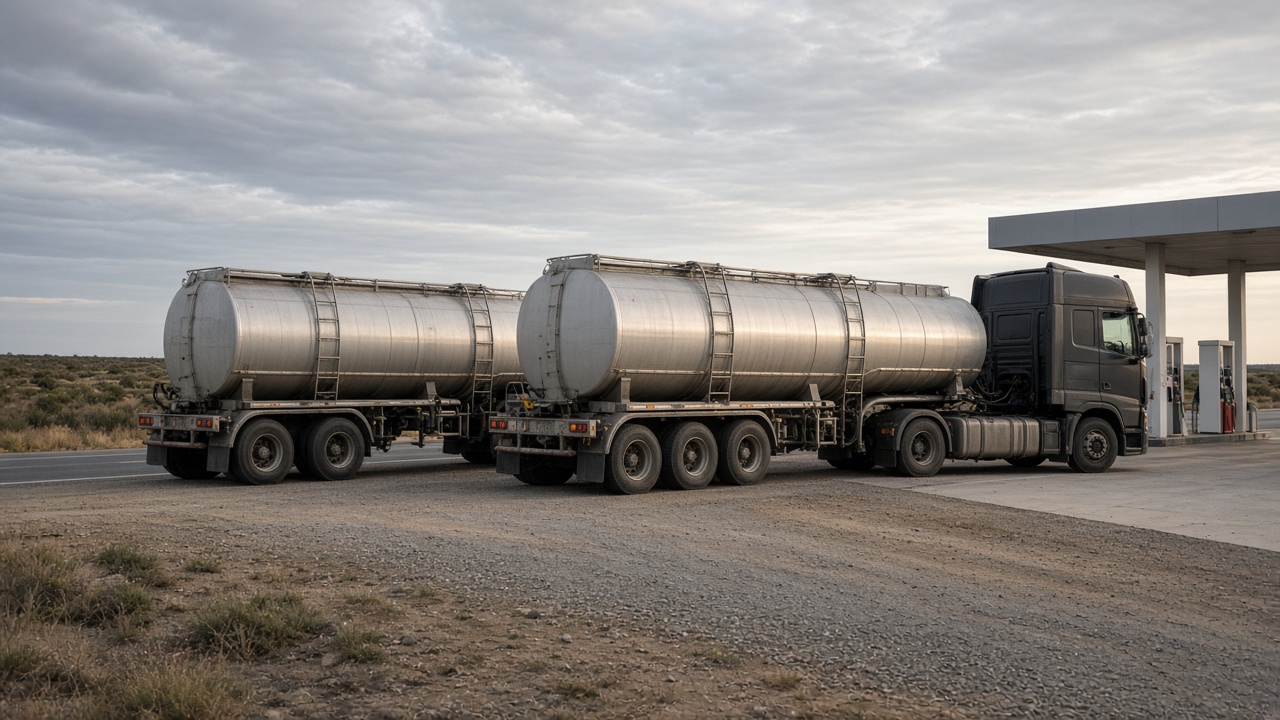
The federal Coalition unveiled a Fuel Price Shield that would automatically cut petrol excise in half when Brent crude’s two-week average closes above US$100, paired with a temporary zeroing of the 32.4 cent per litre heavy vehicle road user charge while the shield is active. Treasurer Jim Chalmers responded that Labor is not considering excise cuts and labelled the package uncapped and unfunded.
Mechanics on the road
Under the opposition plan, relief would begin the Monday after the trigger is met and last until either an eight-week Brent average falls below US$100 or three months elapse, whichever comes first, with cabinet able to extend after reviewing global markets. Coalition MPs in regional seats argue long-distance driving is non-negotiable for work and healthcare, making pump prices a ballot-box issue.
Broader fuel security pitch
The shield sits inside a wider fuel security platform: minimum onshore stockholding requirements would rise toward 60 days, and an $800 million Australian Fuel Security Facility would back more than one billion litres of new storage, weighted to diesel. Industry groups have long pressed for deeper buffers after import dependency grew on the east coast.
Chalmers noted the budget already assumes oil easing toward US$80 by mid-2027, implying the government bets on normalization rather than permanent high prices. That assumption will be tested if Middle East supply routes stay disrupted into the southern summer.
Political context
With parliament on break until 12 October, the announcement sets the tone for the final quarter of 2026. ABC analysis highlighted both major non-government parties moving away from “constructive centre” positioning—Greens leader David Shoebridge rejecting incrementalism while Liberal leader Angus Taylor pushes harder migration cuts. Fuel relief becomes one wedge among many as Labor defends its cost-of-living record after lifting the cash rate to 4.60 per cent.
State premiers may be asked whether they support federal excise holidays that drain GST-linked road funding. Queensland and New South Wales are on school holidays this week, a period when families notice fuel prices on interstate drives.
What economists ask
Independent economists want distributional tables: who benefits most by income and geography, and whether truck charge holidays pass through to shelf prices or margin holders. Without them, the shield risks being seen as a blunt instrument compared with targeted concessions for essential workers.
Markets barely reacted on Monday; bond and equity traders focused on global rates. Yet for millions of motorists, the political fight over excise is more tangible than futures on the SPI. The government’s task is to explain its alternative; the opposition’s task is to price its promise.