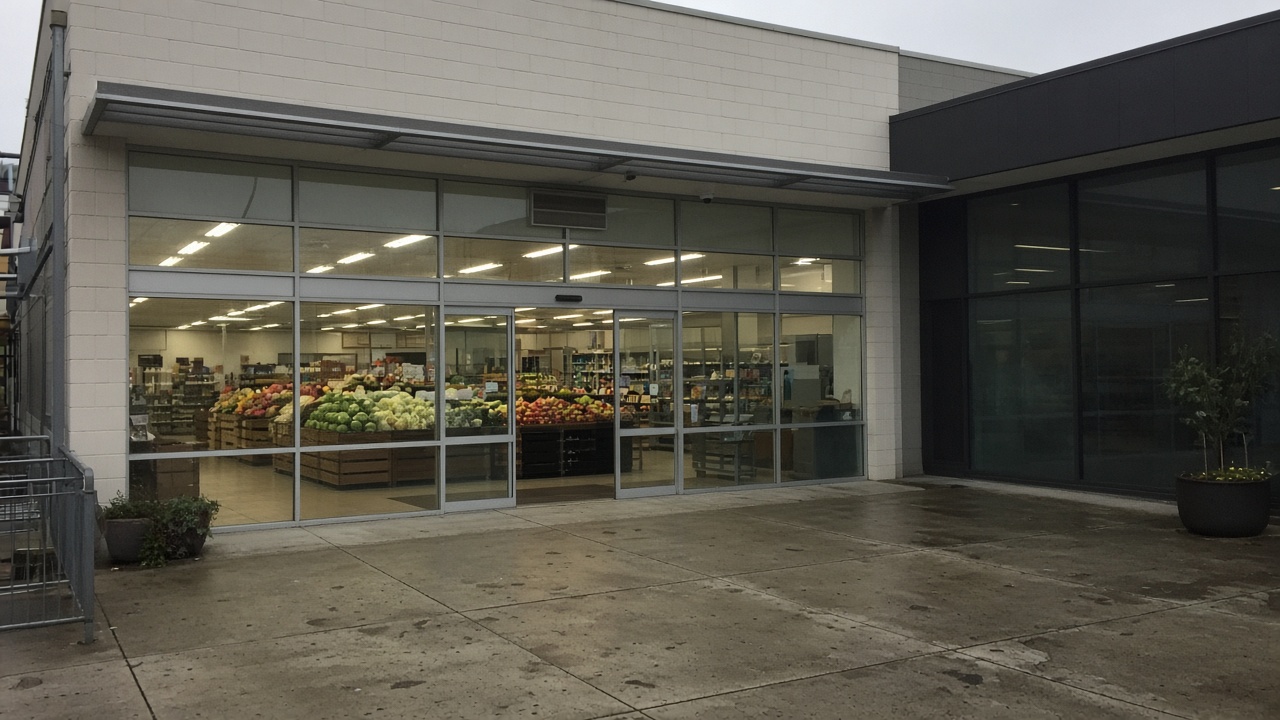
Coles Group Ltd told investors it will accelerate infill supermarket growth and pour an additional $300 million into new stores and renewals through financial 2028, a bet that foot traffic and online fulfilment capacity matter more than propping up a shrinking standalone liquor network. The plan calls for roughly 45 new supermarkets in growth corridors and about 150 renewals, while Liquorland’s store count keeps drifting lower as co-located bottleshops inside food stores absorb the traffic.
Why liquor footprint is shrinking
In FY26 Coles opened 16 liquor stores and closed 26, taking the liquor network from 998 sites to 988, with another 20 openings and 30 closures flagged for FY27. Management argues the economics improve when shoppers buy beer and wine on the same trip as groceries, rather than visiting a standalone shop with weaker conversion. Woolworths Group, by contrast, is optimising a denser existing network after Australian Food sales rose 4.6 per cent in FY26 and jumped 7.6 per cent in the first eight weeks of FY27.
For suppliers, the shift changes how range resets land. Wine distributors that relied on standalone liquor facades may see fewer end-of-aisle placements but deeper penetration in hybrid stores where meal deals bundle chilled alcohol with ready meals. Coles said its Finest private label grew 9.2 per cent in FY26, a signal that premium basket mix is holding even as headline liquor revenue fell 3.3 per cent to $3.55 billion.
Capital and automation
Gross operating capital expenditure reached $1.19 billion in FY26 and is guided to about $1.55 billion in FY27 as Coles finishes automation fit-out at its Victorian distribution centre. The grocer is also funding a capability centre and AI-enabled simplification projects executives say will trim back-office cost per carton. Investors treated the spend as disciplined: group EBIT excluding significant items rose 9.9 per cent on 2.8 per cent sales growth, helped by supermarket earnings momentum.
Significant items included provisions tied to historical underpayment proceedings, a reminder that labour compliance still shadows the expansion story. Coles received a Federal Court judgment in September related to Fair Work Ombudsman proceedings; the board framed the outcome as closing a long-running legal chapter while it pushes forward on store openings.
Competitive read-through
Industry analysts note Coles is trying to flip a narrative. For two years Woolworths lost share momentum; FY26 reversed that with stronger advocacy scores and promotional investment, including collectibles campaigns that lifted basket size. Coles’ answer is structural: more boxes in suburbs where population is still absorbing apartments and infill housing, and liquor presented as an attachment rather than a separate profit pool.
Independent retailers in regional towns watch the infill strategy closely. Some fear another wave of greenfield sites near existing IGA banners; others welcome competition if it forces sharper fresh-food pricing. The ACCC’s grocery work continues to focus on supplier transparency rather than blocking new stores, so planning fights will play out in state planning tribunals more than in Canberra.
What shoppers will notice
Renewals emphasise expanded click-and-collect staging and wider online pick paths, areas where Coles lagged during the pandemic surge. Shoppers in renewed stores report clearer signage to micro-fulfilment zones, though labour groups want guarantees that automation savings flow into staffed deli and bakery counters rather than only corporate margins.
Liquor customers may see fewer standalone Liquorland car parks but longer wine walls inside refurbished supermarkets. Coles executives told analysts the integrated format captures drink occasions tied to weekly shops, especially in outer suburbs where a separate liquor run is an annoyance rather than a treat.
Investor checkpoints
The market will track three metrics through FY27: like-for-like supermarket growth excluding tobacco, liquor EBIT stabilisation, and commissioning milestones at the automated DC. Coles shares trade as a defensive domestic earner; the risk is execution slippage if construction costs or interest rates bite mid-build. For now, management is asking shareholders to fund a network rebuild while Woolworths harvests same-store strength—a contest that should keep grocery pricing competitive into Christmas.