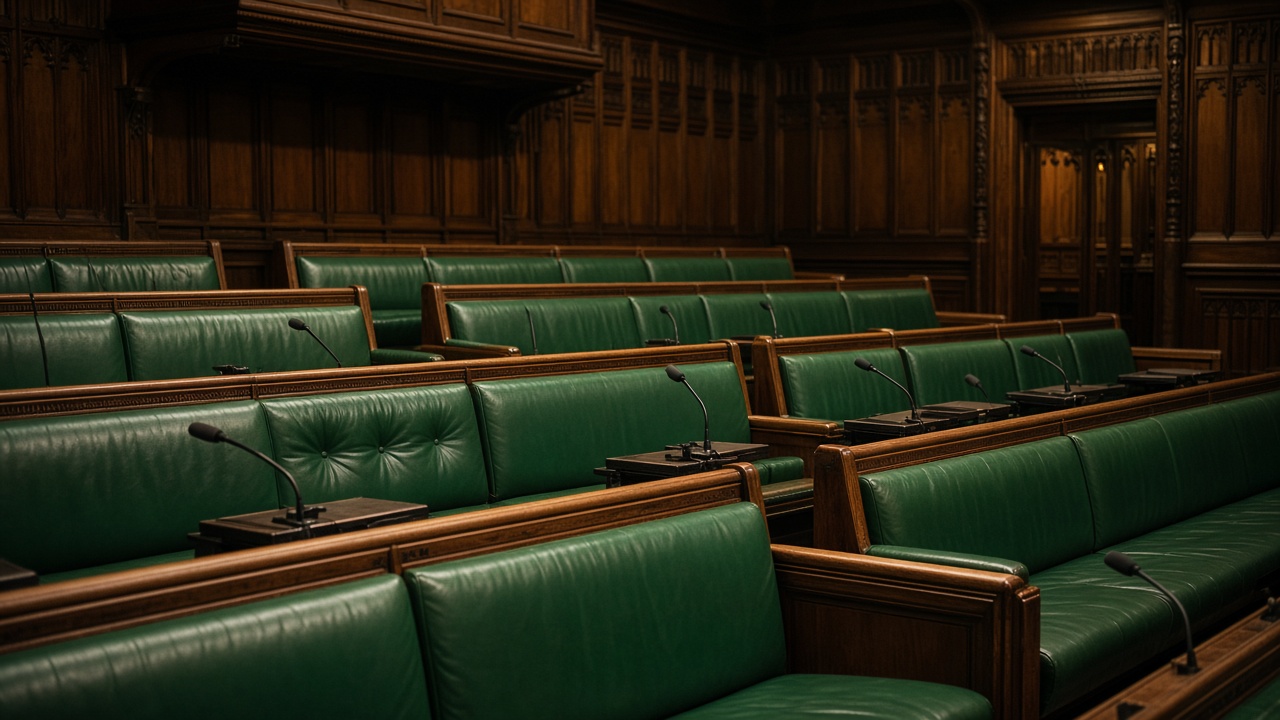
Commons business on Monday put pensions and social-security legislation back at the centre of Westminster debate as Chancellor John Healey prepared a 28 October Budget against a calmer but still fragile gilt market.
Order paper items include continued scrutiny of the triple-lock mechanism and related uprating rules that tie state pensions to wage or inflation benchmarks. Treasury ministers face questions on how those commitments interact with shrinking fiscal headroom after long-dated gilt yields spiked last week, including a brief move to 6% on the 30-year benchmark before Friday's global bond rally.
Budget politics in the chamber
Healey has declined to rule out tax rises while repeating Labour's commitment to the current-budget and debt-reduction rules inherited from Rachel Reeves's March forecast. Opposition MPs are likely to press for costings on any pensions uprating decision and on welfare lines that NIESR said have already pushed borrowing £8.8 billion above profile in the first five months of 2026–27.
Downing Street under Prime Minister Andy Burnham has promised to seek flexibility within the rules without naming specific tax measures. That ambiguity keeps backbenchers nervous in seats where Reform UK made local-election gains, and it keeps bond vigilantes watching every Commons exchange for hints of looser policy.
What changed in markets over the weekend
Friday's weaker U.S. payrolls print helped pull global yields lower, with the FTSE 100 closing up 0.32% at 10,461.95 even after a 2.2% weekly decline. The 10-year gilt yield fell more than four basis points on the day to about 5.36% after touching multi-decade highs mid-week. Politicians will treat that reprieve as breathing room, but strategists caution that inflation data on 21 October and the Bank of England's 5 November meeting could quickly reverse the move.
What MPs will demand this week
Select committees are expected to schedule evidence on debt-management costs and on how the Debt Management Office plans issuance if fiscal headroom shrinks. Pensioner groups will lobby for full triple-lock protection, while Treasury officials argue that demographic pressure makes every uprating decision a zero-sum choice against departmental budgets.
The parliamentary arithmetic does not require a vote this week to move markets; statements alone can shift gilt curves if investors hear spending commitments without offsets. Healey's team knows the chamber is as much a rating agency as the OBR this month.
Devolved administrations watch Westminster
Scottish and Welsh governments receive block grants tied to spending reviews in London, so any UK tax decision ripples through their budgets even when devolved parliaments control health and education delivery. Ministers in Edinburgh and Cardiff will seek early reads on Barnett consequentials before Healey stands at the despatch box.
Reform UK MPs plan to use pensions debates to attack welfare spending totals, forcing Labour to defend triple-lock costs while promising fiscal rules. The political choreography matters for gilt markets because unexpected spending commitments voiced in the chamber can move futures before legislation is drafted.
City economists noted that pension funds holding long gilts felt last week's volatility acutely, which may colour how trustees view Labour's spending promises. Any signal that the government will lean on pensioners' uprating formulas to save cash could backfire politically while doing little to calm markets if issuance plans stay high.