Singapore reported 49 dengue cases in epidemiological week 39, which ended 2 October, a sharp drop from the 82 infections recorded in week 38, according to the National Environment Agency’s daily dashboard. The decline offers breathing room after a red-alert cluster around Ho Ching and Yuan Ching roads crossed 80 cases, but nine active clusters remain and the traditional May-to-October peak season is not over.
Clinics and employers
General practitioners in the west reported steadier foot traffic when the Lakeside cluster was at its peak; the week 39 dip should ease test kit orders but does not remove isolation guidance for confirmed cases. Employers should keep work-from-home options for febrile staff rather than treating the lower weekly number as an all-clear.
Reading the weekly curve
Weekly counts bounce because surveillance catches infections days after symptom onset. A single quiet week does not erase the 2,493 cumulative cases logged through the first 38 weeks of 2026, still far below the highs seen in 2023 and 2024 but enough to keep hospital emergency departments alert. NEA’s cluster map on 2 October listed eight cases with onset in the last fortnight at the large Lakeside cluster, showing how one estate can cool while others smoulder.
What inspectors are doing
Teams continue larviciding common areas, thermal fogging where adult mosquitoes are found, and home inspections that require residents to unlock gates. Fernvale and Luxus Hill estates appear on the surveillance list with dozens of historical cases even after alert colours downgrade, meaning traps stay in place an extra 21 days. Project Wolbachia releases in new towns run in parallel but do not replace fines for breeding found in homes.
Household habits
Peak season coincides with school holidays and Formula One week, when balconies host guests and flower vases multiply. Emptying containers twice a week, using insect repellent in the late afternoon, and turning on ceiling fans indoors reduce bites even when neighbourhood case numbers fall. Anyone with fever, joint pain or rash after a bite should seek medical review early; dengue tests are faster than waiting to see if symptoms pass.
Clinics and employers
General practitioners in the west reported steadier foot traffic when the Lakeside cluster was at its peak; the week 39 dip should ease test kit orders but does not remove isolation guidance for confirmed cases. Employers should keep work-from-home options for febrile staff rather than treating the lower weekly number as an all-clear.
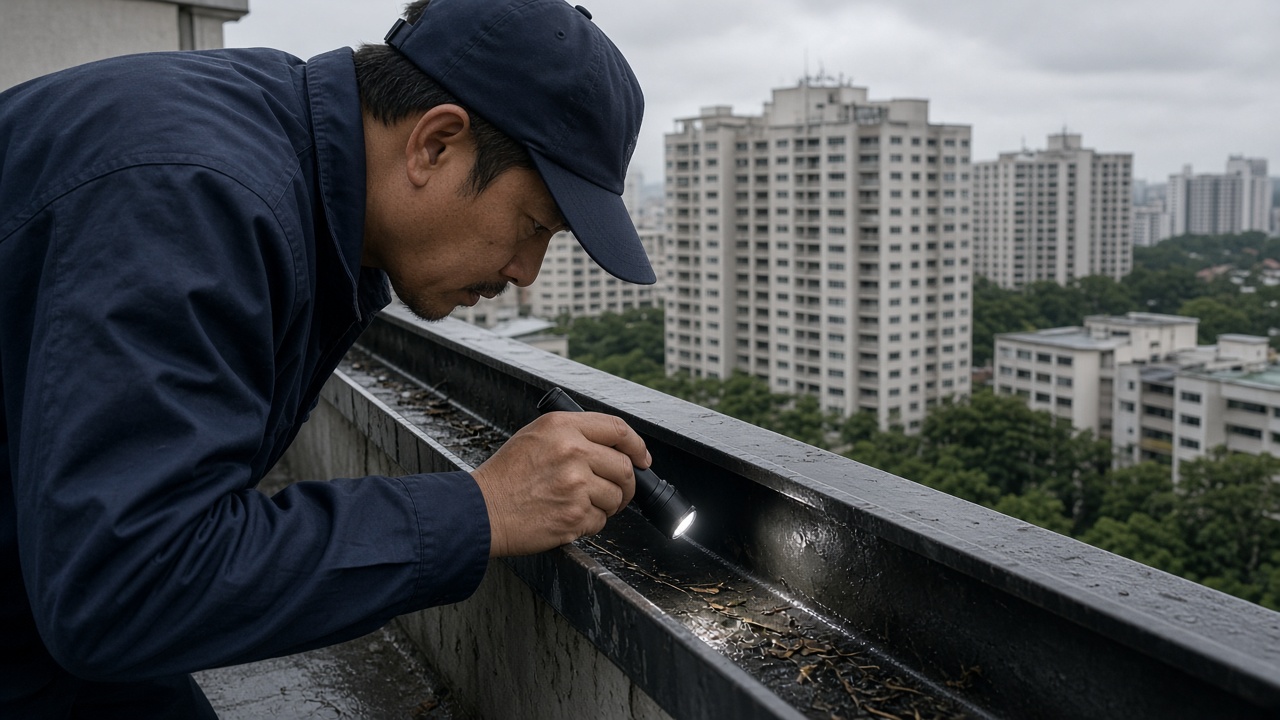
Week 39’s lower tally is welcome, but the map still has red dots. Treat the lull as time to clear roof gutters, not as proof the danger passed.