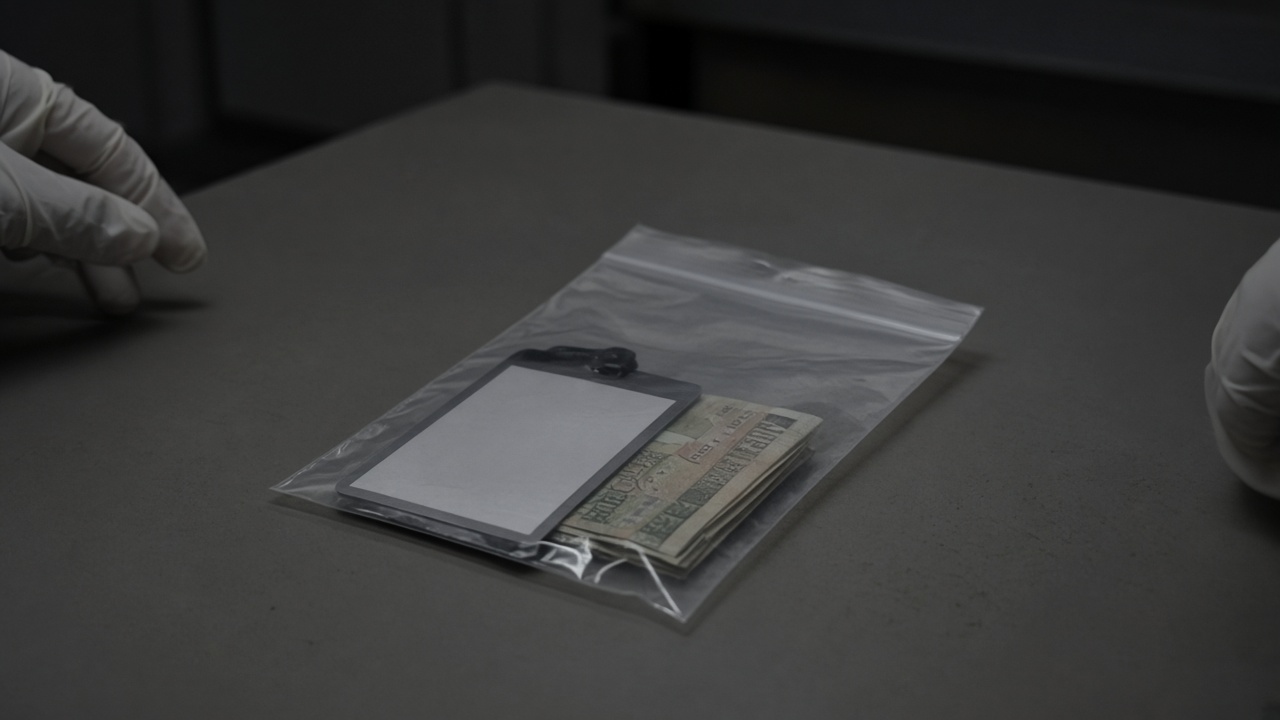
A 40-year-old man arrested on 1 October will face court on charges of assisting another to retain benefits from criminal conduct after police say he collected S$6,000 in cash from a victim fooled by callers posing as Chinese law enforcement. Officers from the Cyber Command seized a fake Corrupt Practices Investigation Bureau pass, mobile phones and clothing allegedly worn during the handover, underscoring how physical props still anchor high-loss impersonation scams even as most fraud shifts online.
How the July handover worked
According to the police news release, the victim received calls accusing him of involvement in transnational money laundering and was told to prove his funds were legitimate by passing cash to an unknown person in Singapore. He handed over S$6,000 on 27 July before realising the story was fabricated. Investigators traced the runner through digital leads and street-level surveillance, then linked him to other similar collections.
Why fake passes still work
Government impersonation scams thrive on urgency and authority cues. A laminated pass flashed quickly in a carpark can overwhelm a victim already frightened by overseas callers citing case numbers. The arrest is a reminder that props are cheap while losses are not; earlier cases this year saw runners pose as Singapore Police Force officers with counterfeit warrant cards, collecting jewellery and gold bars worth far more than this S$6,000 parcel.
Police reiterated that no government agency will instruct people to withdraw life savings, buy gift cards or hand cash to couriers. Anyone receiving such calls should hang up, verify through official hotlines, and report the number through ScamShield.
Charges and penalties
The man faces money-laundering-related charges carrying up to 10 years’ jail, a fine of up to S$500,000, or both if convicted. Separate investigations continue into the overseas syndicate that directed him. Runners are replaceable in these networks; prosecuting collectors nevertheless disrupts cash-out routes that syndicates need in Singapore’s still-cash-friendly handovers.
What families should rehearse
Adult children should talk with parents about scripts involving foreign police, courier pickups and “safe accounts.” Banks have tightened hold times on large withdrawals, but cash handovers bypass those controls entirely. Saving the Cyber Command release in family chat groups is less awkward than recovering money that left the country hours later.
The forged CPIB pass in this case never needed to fool an investigator—it only had to buy thirty seconds of trust. Starving scammers of those thirty seconds remains the cheapest defence.