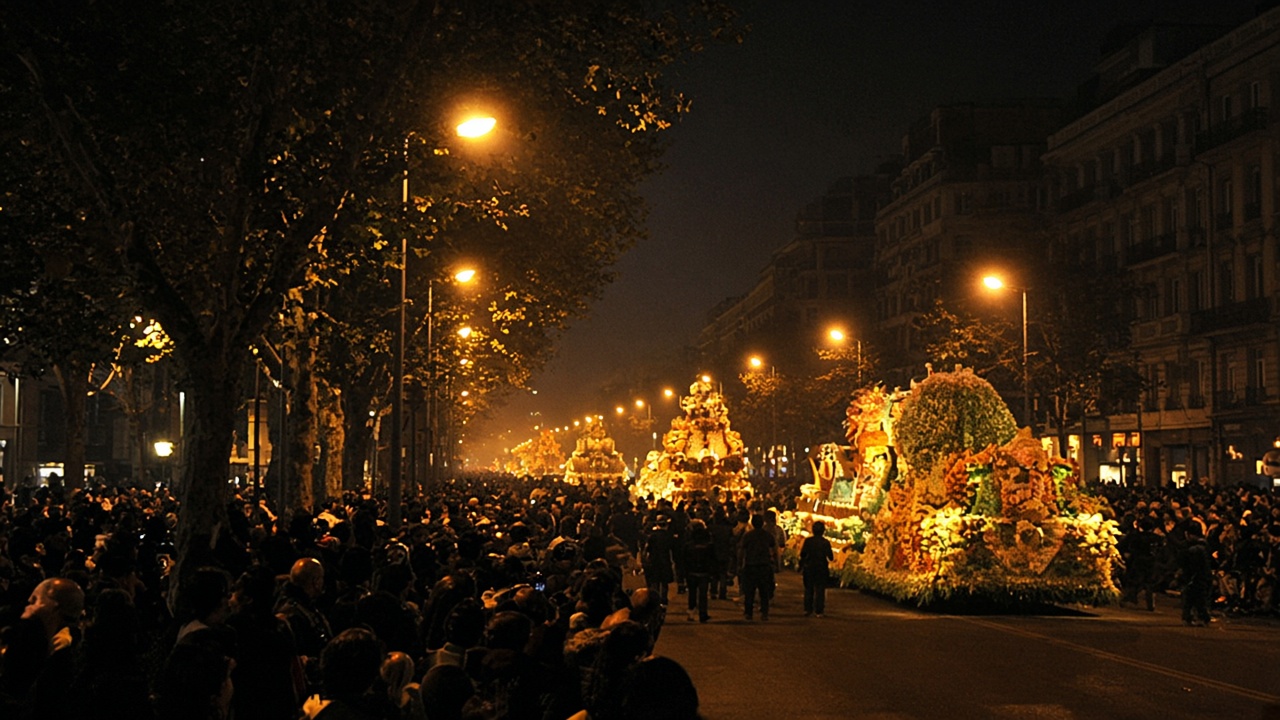
The 2026 Gangnam Festival wrapped its Foundation Day weekend with a Saturday evening float parade along Dosan-daero, rolling past Apgujeong Rotary as brass bands and dance crews performed on slow-moving flatbeds. District officials pitched the event as a merchant-led recovery showcase after summer rains dampened outdoor foot traffic in southern Seoul’s luxury retail corridors.
Parade logistics
Organizers closed eastbound lanes between Cheongdam and Sinsa from 4 p.m. to 6:30 p.m., routing buses to detours that frustrated commuters but delighted shop owners hoping parade watchers would linger for late dining. Float themes included K-pop tribute acts, local university mascots, and a vintage sports-car segment sponsored by an automaker testing electric SUVs in Korean cities.
Security teams scanned bags at entry choke points near Gangnam Station exits, a precaution copied from prior Halloween crowd incidents in Itaewon that still shape municipal event planning. Medical tents reported mostly heat-exhaustion cases rather than crush injuries as temperatures cooled after sunset.
Business impact
Cafes along the route extended hours; some sold themed drinks with limited-edition cups collectors queued for. Luxury boutiques stayed open despite concerns that street closures would block chauffeured clients; valets redirected cars through back alleys familiar from fashion week seasons.
Smaller vendors in non-parade alleys complained about divergent crowds—proof that even citywide festivals redistribute spending rather than uniformly lift districts. Gangnam tourism office trackers will compare card-swipe data with last year’s autumn festival, when typhoon warnings cut attendance.
Cultural programming
The festival also featured daytime K-indie showcases in COEX meeting rooms and a drone light show canceled once in rehearsal when aviation authorities flagged airspace conflicts with news helicopters covering political rallies downtown. Organizers substituted a laser mapping projection on a office tower facade, drawing Instagram traffic without airborne risk.
International visitors attending the parade said they stumbled on it while shopping; wayfinding signs in English and Japanese appeared more prominently than in 2024, reflecting Seoul’s post-pandemic tourism push.
Traffic and neighbors
Residential towers along Dosan-daero tolerated noise via pre-event mailers offering earplug vouchers—a quirky goodwill gesture that community boards debated online. Parking garages hit capacity by mid-afternoon; police ticketed illegal stops on side streets leading to Apgujeong Rotary.
By 9 p.m., sweep crews cleared confetti while pop-up food stalls packed grease traps for Monday collection. The floats themselves rolled into a warehouse in Seongnam for storage until next year’s route planning begins.
Why it mattered on Gaecheonjeol weekend
National holidays often split Seoul between solemn ceremonies in Jongno and commercial spectacle in the south. Saturday’s parade gave families a leisure option unrelated to partisan rallies, a small relief valve when cable news looped crowd estimates from competing political events.
For Gangnam merchants, the metric that counts is whether Monday receipts show a festival bump once the KRX reopens and office workers return. The floats are gone, but the receipts story lasts through the month.