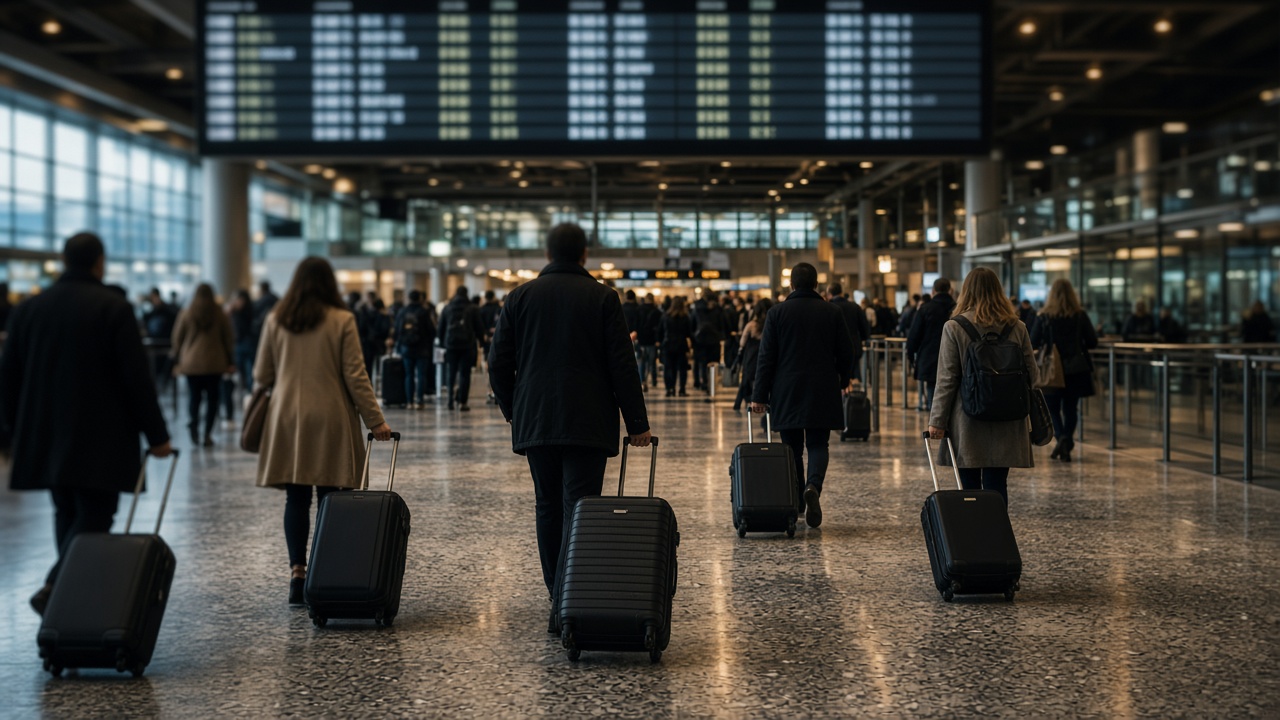
Thanksgiving flyers are staring at a $402 average domestic round-trip on Hopper’s Sept. 24 snapshot—31% higher than last year’s holiday weekend—while Christmas tickets average $452, up 23%. The figures land the same week government inflation data showed airfare up 23.4% in August from a year earlier, confirming that the pain on booking sites is not a tracking glitch.
Why prices stayed high after fuel spikes
CNBC’s Monday airline profit story ties the fare stickiness to jet-fuel volatility after Middle East supply scares and to disciplined capacity. Spirit Airlines’ bankruptcy earlier in 2025 removed low-cost seats from the market; Barclays estimated that shrinkage alone took 1% to 2% of U.S. capacity offline, giving remaining carriers more pricing power even as TSA volumes slip slightly.
Airlines also reconfigured cabins toward premium seats, shrinking the cheapest coach inventory on many routes. Business travel has held up, but Hopper economist Hayley Berg notes many households are prioritizing end-of-year family trips over shoulder-season bargains—meaning fewer flash sales between now and November.
Who still has room to negotiate
If your dates flex by a day or two, compare Tuesday-before-Thanksgiving departures versus the Sunday rush; savings can exceed $100 on competitive city pairs. Midweek Christmas returns often undercut the Dec. 26 stampede. Secondary airports (Providence instead of Boston, Burbank instead of LAX) still matter when legacy hubs are fare gouged.
Points tickets have not escaped fuel surcharges on international partners, but domestic award space exists if you book before the last week of October. Set fare alerts in your airline app and in Google Flights; Hopper’s number is an average, not your personal floor.
Baggage and basic economy traps
Carriers have used fuel pressure to justify higher checked-bag fees and tighter basic-economy rules. Read the fare class before you click buy: some lowest fares board last, charge for carry-ons, or forbid changes if Grandma’s dinner time shifts. Southwest’s bags-included policy still matters on routes where it competes, but even Southwest has trimmed unprofitable flying this year.
Travel insurance that covers trip interruption—not just medical—can make sense for expensive holiday tickets, but read pandemic and weather exclusions. Credit card trip delay benefits require you to charge the fare to the qualifying card and keep receipts for hotels and meals.
Looking past the holiday
Analysts expect airlines to talk capacity cuts on earnings calls this week if jet fuel stays near $4 a gallon. Fewer seats into January can keep leisure fares elevated even when fuel eases. If you can travel in the first two weeks of January instead of New Year’s weekend, historical fare curves still show softness—provided you are not locked into school calendars.
For most families, the actionable step is to book Thanksgiving now if you have fixed dates; Berg told CNBC many travelers already did. Waiting for a broad fare sale is a bet against fuel markets and against fuller planes. The $402 average is a signal, not a ceiling—but it is also not a bluff.