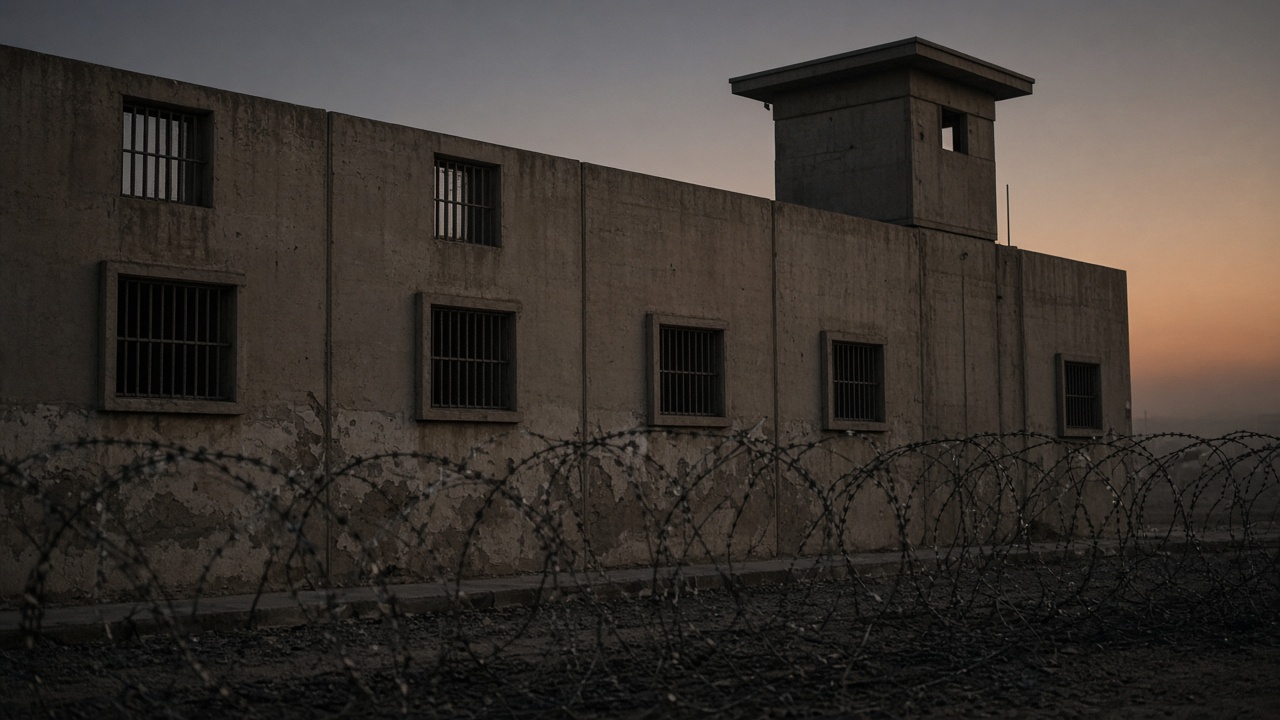
Human Rights Watch warned on Monday that 13 Australians held in Iraqi prisons on suspicion of links to the Islamic State group face inhumane treatment and possible execution, and accused the Albanese government of refusing to bring the men home even as Baghdad presses Western capitals to share the burden.
Who is in Iraqi custody
The Australians are among nearly 5,700 men and boys the United States military moved from Syria into Iraq earlier this year as Syrian government forces advanced through territory once held by Kurdish authorities. Human Rights Watch said the transfer was arranged quickly, leaving detainees under Iraqi jurisdiction without the consular access or trial timelines that would apply if they were repatriated to Australia.
The organisation’s report, released on Monday, places the 13 Australians inside a wider cohort of foreign nationals Iraq is housing while it prosecutes or sentences people accused of joining IS. Iraqi courts have historically imposed death sentences in terrorism cases, and United Nations monitors have documented overcrowding, torture allegations and opaque security trials in the country’s prison system.
What Human Rights Watch alleges
Human Rights Watch researcher Sophie McNeill told the Australian Broadcasting Corporation that Canberra was “outsourcing” its responsibilities by insisting it would not seek the men’s return. The group argued that Australia has the legal tools to investigate, charge and prosecute nationals who travelled to join IS if evidence supports charges, rather than leaving them to Iraqi proceedings that may not meet fair-trial standards.
The report cited Iraq’s track record of coerced confessions and mass trials after the collapse of IS territorial control in 2017. McNeill said the risk of execution should trigger urgent diplomatic action, not passive acceptance that the men are Iraq’s problem because they were captured abroad.
Canberra’s stated position
Prime Minister Anthony Albanese’s government has repeatedly said it is not organising repatriation flights for Australians who left to join terrorist groups. Foreign Minister Penny Wong told parliament earlier this year that each case would be considered on its merits, but officials have emphasised that Australians who fought with IS should face justice without endangering domestic security.
ABC reporting noted that Iraqi authorities have asked partner governments for more support as they manage thousands of detainees, while Australia has not confirmed whether it is among countries Baghdad expects to take custody of its own nationals. Opposition lawmakers have split between hard-line security rhetoric and calls for transparent court processes if repatriation occurs.
Legal and consular pathways
Australia’s counter-terrorism laws allow prosecution for foreign incursion offences when investigators can assemble admissible evidence. Human Rights Watch contends that refusing repatriation does not eliminate Australia’s human-rights obligations, especially when citizens face the death penalty. Consular officials can still request welfare visits where Iraq permits access, but family groups say information from the men has been sparse since the Syria transfers.
Legal scholars note that any future repatriation would likely involve long pre-trial detention, controlled media access and classified intelligence briefings to state premiers who would host trials. The political cost is therefore high, which helps explain Canberra’s reluctance even as advocacy groups amplify the Iraqi execution risk.
What happens next
Human Rights Watch urged Australia to negotiate transfer agreements that rule out the death penalty and to provide resources for Iraqi authorities to improve detention conditions if repatriation remains off the table. Families of the detained men are expected to lobby MPs ahead of parliamentary hearings on national security policy. For now, the immediate development is the watchdog’s public warning that 13 citizens face lethal outcomes in a prison system with a documented abuse record, and that Canberra’s answer so far has been to keep its distance.