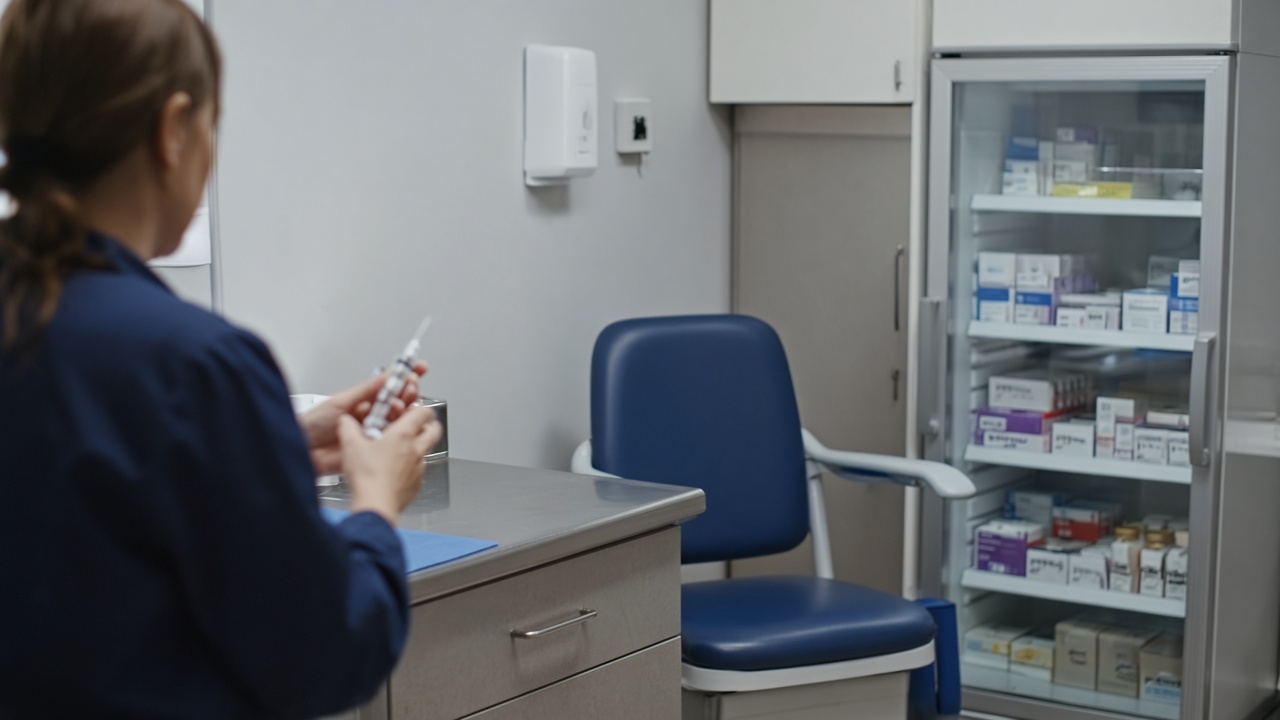
NHS England expanded the autumn flu programme on 1 October to include rough sleepers and people staying in homeless hostels or night shelters aged 16 and over, implementing Joint Committee on Vaccination and Immunisation advice for the 2026–27 season.
The change sits alongside the annual rollout to everyone aged 65 and over, pregnant women, clinical risk groups and carers. Providers said the first week of October brought a booking surge at community pharmacies already handling adult appointments through the NHS App and 119 telephone line.
Why homelessness eligibility is new
UKHSA explained that people without stable housing face higher exposure in communal settings and often miss school-based programmes that cover younger cohorts. JCVI recommended adding hostel residents and rough sleepers to mirror protections already offered to care-home residents and frontline social-care workers without employer occupational-health schemes.
Outreach teams in several cities plan pop-up clinics near day centres, while some pharmacies can now vaccinate clinically at-risk children aged two to 18 in addition to GP and school routes that began in September. Catch-up sessions for school pupils who missed doses are scheduled from December.
Adult flu vaccination in England starts 1 October to align protection with typical December peaks.Operational pressures on pharmacies
Pharmacists said October's later adult start date, designed because vaccine effectiveness wanes over time, compresses appointment capacity into weeks when holiday travel and retail staffing are already tight. NHS England messaging tells eligible adults not to wait for a GP letter before booking if they can access a pharmacy slot.
Frontline health workers remain eligible from 1 October as well, with employers expected to make jabs convenient on site. Flu typically peaks in December or January, so officials still want most adults vaccinated by the end of November even though the programme runs until March for newly eligible groups such as pregnant women.
What patients should do
Eligible adults can book online, via the NHS App, through GP surgeries or at participating pharmacies. People experiencing homelessness without digital access can ask outreach workers or shelter staff about local walk-in times. COVID-19 vaccines may be offered in the same visit when clinically appropriate.
For public-health officials, the measure tests whether expanded eligibility translates into shots in arms or simply another line on a poster. The JCVI change acknowledges that influenza risk follows housing insecurity, not just age.
Charity outreach and data gaps
Homeless charities said uptake depends on trust as much as eligibility lists. People who have had poor GP registration experiences may avoid clinics unless outreach workers accompany them. NHSE is coordinating with housing associations to text shelter residents when pharmacy slots open nearby.
Immunisation teams also track vaccine match against circulating strains after the 2025–26 season started early. UKHSA monitors surveillance data weekly; if a mismatch appears, booster campaigns could widen even before spring. For now officials say the current formulation aligns with World Health Organization recommendations for the northern hemisphere winter.