The Korea Baseball Organization published eleven rescheduled regular-season dates running through Oct. 12, clearing the backlog from September rainouts and confirming that the wild-card round will open Oct. 14 if the slate holds. KT Wiz sits atop the standings with home-field advantage through the Korean Series, while Doosan Bears, Samsung Lions, LG Twins, and KIA Tigers still jostle for the final playoff berths as Gaecheonjeol paused play.
Makeup calendar mechanics
League officials grouped doubleheaders where travel schedules allowed, sparing bus rides during a week when players expected rest before October pressure games. Umpire crews rotated in from the futures league to cover extra innings marathons that stretched past midnight in prior seasons. Franchise trainers warned that compressed rest raises injury risk for pitchers crossing 140-inning thresholds.
Fans holding tickets for washed-out games receive automatic exchanges or refunds under KBO consumer rules; resale platforms saw spikes whenever makeup dates dropped during workdays.
Playoff picture
The wild-card series pits fourth versus fifth place at the higher seed’s home park under KBO’s quick format: the fourth-place team advances with one win or a tie, forcing the fifth-place club to sweep two games. Semi-playoffs and playoffs follow five-game series with home-field advantages weighted toward higher seeds. KT’s Suwon park is slated to host Korean Series game one in early November if the Wiz survive each round.
Samsung and LG met in late-September games that moved playoff math; holiday downtime gave managers time to reset rotations but also allowed slumps to fester without immediate redemption. Betting shops—legal on sports in Korea through regulated channels—posted updated odds once the makeup slate dropped.
Broadcast and business
KBS, MBC, and SBS hold rotating postseason rights; networks planned studio segments around Samsung’s young shortstop home-run chase and KT’s pitching depth. Sponsors Shinhan Bank and SOL Pay embedded branding in digital ticketing apps that sold out weekend makeup seats within minutes for popular matchups in Seoul and Busan.
Stadium vendors stock extra hot packs and rain ponchos after September storms soaked concession inventories. Municipal police coordinate crowd flows near Jamsil, Sajik, and Munhak parks when games end near last subway trains.
Player and labor notes
The players’ union did not strike over the compressed schedule, but representatives asked for mandatory off-days after doubleheaders. Foreign imports nearing contract incentives—plate appearances, saves—face heightened scrutiny from agents watching every at-bat in the penultimate week.
Rookie call-ups fill expanded rosters after Sept. 1; some will debut during makeup games with little playoff impact but significant service-time consequences.
What fans should mark
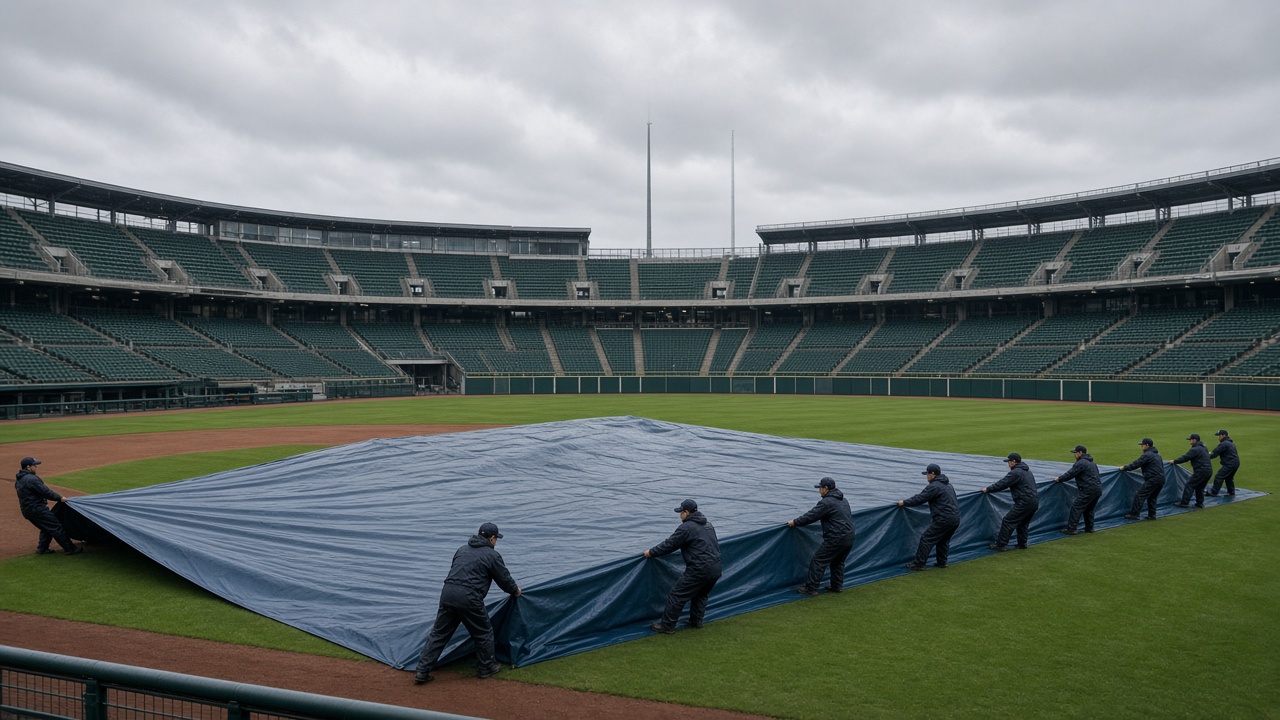
If Oct. 12 finishes the regular season on time, Oct. 14 wild-card play begins two days later—barely time for tiebreaker scenarios if rain returns. Grounds crews at each ballpark monitor drainage after heavy September storms; tarp pulls during Gaecheonjeol off-days kept infields game-ready.
Korean autumn baseball now hinges on eleven firm dates and the weather radar. Miss one more washout, and the league office must choose between delaying postseason revenue or playing through fatigue—a calculus every fan with a ticket stub will watch as closely as the standings board.